
WHO: chronic diseases now cause three in four deaths worldwide

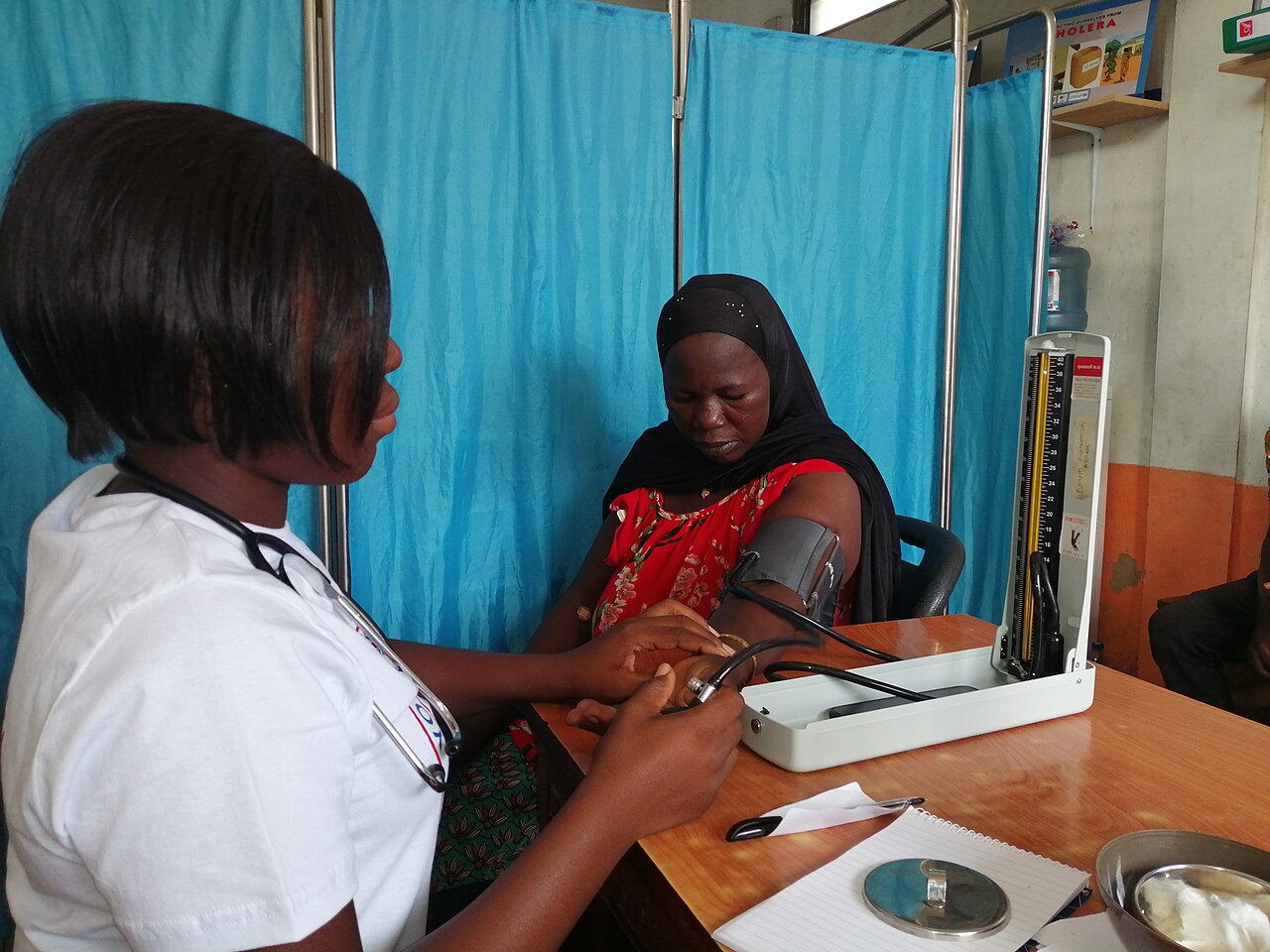
Non-communicable diseases (NCDs) such as heart disease, stroke, cancer and diabetes now cause about three out of every four deaths worldwide, according to new World Health Organization estimates released on October 2.
The numbers
WHO's latest Global Health Estimates show that NCDs caused 74% of all deaths in 2023, up from 58% in 2000. Eight of the world's ten leading causes of death in 2023 were NCDs, and heart disease remained the single biggest killer.
There was good news too. Global life expectancy reached 73.3 years in 2023, almost back to where it was before the COVID-19 pandemic.
Why the shift
As fewer people die young from infections, more live long enough to develop chronic conditions. Unhealthy diets, tobacco, alcohol, physical inactivity and air pollution are pushing NCD rates higher, especially in fast-growing cities.
Kenya's double burden
Kenya is dealing with both sides of this picture. Infectious diseases such as HIV, tuberculosis and respiratory infections remain among the country's leading causes of death, while hypertension, diabetes, cancer and heart disease are rising fast, often undiagnosed until it is too late.
That double burden puts pressure on a health system that has historically focused on infectious diseases, and on families who pay out of pocket for long-term treatment.
What you can do
- Know your numbers: check your blood pressure and blood sugar at least once a year, even if you feel well.
- Eat better: cut back on salt, sugar and deep-fried food, and eat more vegetables, fruit and whole grains.
- Move more: aim for at least 30 minutes of activity on most days. Walking counts.
- Avoid tobacco and limit alcohol.
- Take prescribed medicine consistently: many people stop hypertension or diabetes drugs once they feel better, which is dangerous.
What's next
WHO will publish a separate report on inequalities in NCDs and their risk factors on October 22, looking at how income, gender and location shape who gets sick and who gets treated.


Grow an audience that listens.
Social media management, digital campaigns and online storytelling that converts.



More in Health
See all
Mama Lucy Kibaki Hospital to commission advanced 160-slice CT scanner

First Ebola contacts to leave quarantine on Sunday after 21 days, Amoth says

Public health officers' strike passes 90 days as students warn of nationwide protests

PS Oluga rallies government agencies behind coordinated Ebola response as cases reach nine

Kenya confirms ninth Ebola case as 134 of 135 contacts are traced and quarantined

Tanzania orders 21-day health monitoring for high-risk travellers as Kenya's Ebola cases rise to seven
Global Community Remarks
0