
Ebola outbreak in DR Congo passes 8,700 cases as Kenya keeps watch on contacts

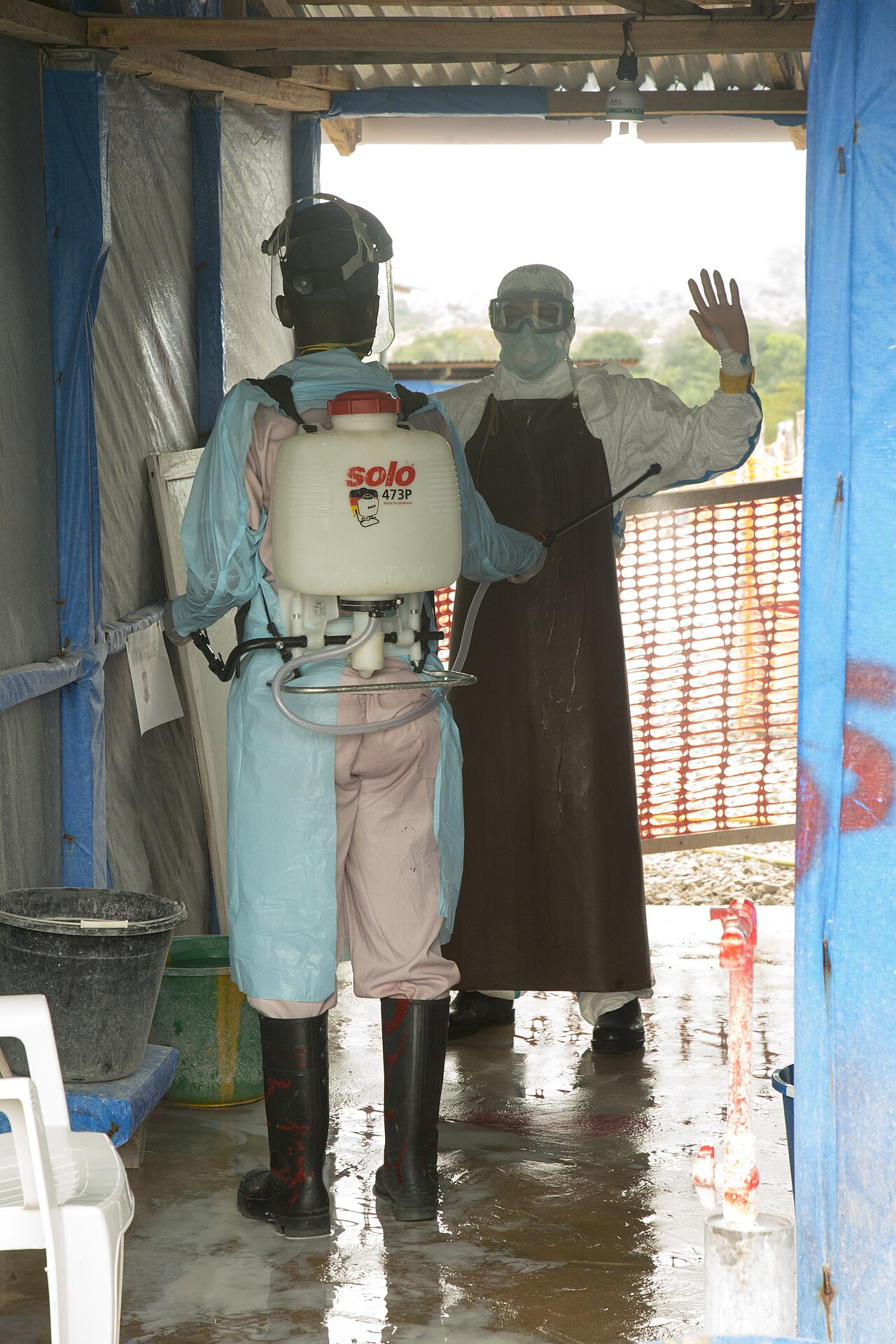
The Ebola outbreak in the Democratic Republic of Congo has passed 8,700 confirmed cases, and health officials across East Africa are on alert after Kenya recorded its first imported case last week.
The numbers
As of October 6, the DRC had recorded 8,728 confirmed cases and 4,205 deaths, according to World Health Organization figures reported by The Star and the European Centre for Disease Prevention and Control (ECDC). About 2,269 people have recovered. Almost half of confirmed patients have died.
The virus has spread to 64 of the country's 167 health zones across seven provinces. Ituri is the worst hit, with about 6,500 cases and 3,000 deaths, followed by North Kivu with about 1,780 cases and more than 1,000 deaths. Haut-Uélé, Tshopo, Bas-Uélé, South Kivu and Sud-Ubangi have also reported cases.
"At the national level, transmission remains intense, although the burden is unevenly distributed," WHO said. New cases are still running at close to 500 a week. Of 372 recent deaths, 264 happened in communities rather than treatment centres, a sign that many patients are not reaching care. Contact tracers are following up about 80% of known contacts, below the 85% target.
A strain with no vaccine
The outbreak is caused by the Bundibugyo strain of Ebola, which has no approved vaccine or specific treatment. Health workers rely on early detection, isolation, supportive care and contact tracing.
Spread beyond the DRC
Uganda recorded 20 cases between May and June, but WHO declared its outbreak over on August 25. Infected aid and health workers have been evacuated to Germany, France, the UK and the Netherlands.
In Kenya, a Kenyan man who had lived in the DRC travelled through Uganda to Nairobi and died on October 5. The Ministry of Health first listed 28 contacts. The Star now reports that 66 people who may have had contact with him are in quarantine at the National Police Service Hospital in Nairobi. More than 652,000 travellers have been screened since the outbreak began, and 267 samples had been tested by October 7.
The risk
WHO rates the risk as high for countries bordering the DRC and low for the rest of Africa and the world. It advises against travel or trade bans.
Ebola spreads through direct contact with the body fluids of a sick person, not through the air. Anyone with fever, weakness, vomiting or unexplained bleeding after possible exposure should call the toll-free line 719 or go to the nearest health facility.

Tell your story on screen.
Commercials, documentaries, interviews and social video, from script to final cut.





More in Health
See all
Mama Lucy Kibaki Hospital to commission advanced 160-slice CT scanner

First Ebola contacts to leave quarantine on Sunday after 21 days, Amoth says

Public health officers' strike passes 90 days as students warn of nationwide protests

PS Oluga rallies government agencies behind coordinated Ebola response as cases reach nine

Kenya confirms ninth Ebola case as 134 of 135 contacts are traced and quarantined

Tanzania orders 21-day health monitoring for high-risk travellers as Kenya's Ebola cases rise to seven
Global Community Remarks
0