
WHEN SOCIETY NAMES YOU, YOU BECOME IT

There is a quiet violence in the way society names its youth.
Before a young person ever commits a crime, they are often first assigned an identity: troublesome, idle, dangerous, goon. These labels do not merely describe behaviour; they shape it. Over time, they harden into expectations, and eventually, into lived reality.
In contemporary Kenya, where cases of youth-related violence and organised goonism appear to be rising, the conversation has largely focused on poverty, unemployment, and political manipulation. While these factors are undeniably important, they do not fully explain why some young people persist in crime even after arrests, convictions, and repeated punishment. To understand this persistence, we must examine a less visible but deeply powerful force: social labelling.
Social labelling operates subtly but relentlessly. A young person who is repeatedly told by the community, authorities, or even peers that they are a criminal begins to internalise that identity. The label becomes a script. Opportunities shrink, trust erodes, and alternative identities become harder to access. In such a context, crime is no longer just an act; it becomes a role one is expected to perform.
This creates a dangerous cycle. Society labels. The individual conforms. Society points to the behaviour as proof that the label was accurate. What is often missed is that the label itself helped produce the outcome.
Punishment, in this cycle, loses its corrective power. When someone already sees themselves and is seen by others as a criminal, legal consequences do little to disrupt that identity. Instead, punishment can reinforce it. Court appearances, police records, and even prison experiences can deepen the sense of belonging to a criminal category, rather than offering a pathway out of it.
Among youth groups associated with goonism, this effect is amplified by collective identity. Labels are not only imposed externally; they are also embraced internally. Being called a “goon” can evolve from an insult into a badge of belonging. In environments where legitimate avenues for recognition are limited, notoriety can become a form of social capital.
This is where the problem becomes more than individual, it becomes structural.
When entire communities are known for producing “troublesome youth,” the label expands beyond individuals to define spaces and identities. Employers become hesitant. Authorities become aggressive. Interactions are shaped by suspicion before they are shaped by understanding. In such environments, escaping the label requires more than personal effort; it requires structural intervention.
None of this is to excuse criminal behaviour. Actions have consequences, and accountability remains essential for any functioning society. However, if the goal is to reduce crime rather than simply react to it, then understanding the role of social labelling is critical. A system that punishes without offering pathways to identity reconstruction risks reproducing the very behaviour it seeks to eliminate.
The question, then, is not only why young people engage in goonism, but also how society participates knowingly or unknowingly in sustaining it.
What would change if communities, institutions, and leaders became more intentional about the identities they assign to young people? What if, instead of reinforcing labels that confine, they created narratives that expand possibility?
Because in the end, people do not only act based on who they are.
They act based on who they believe they are allowed to become.
Every moment, captured beautifully.
Events, corporate portraits, products and editorial shoots by our newsroom photographers.





More in Crime & Justice
See all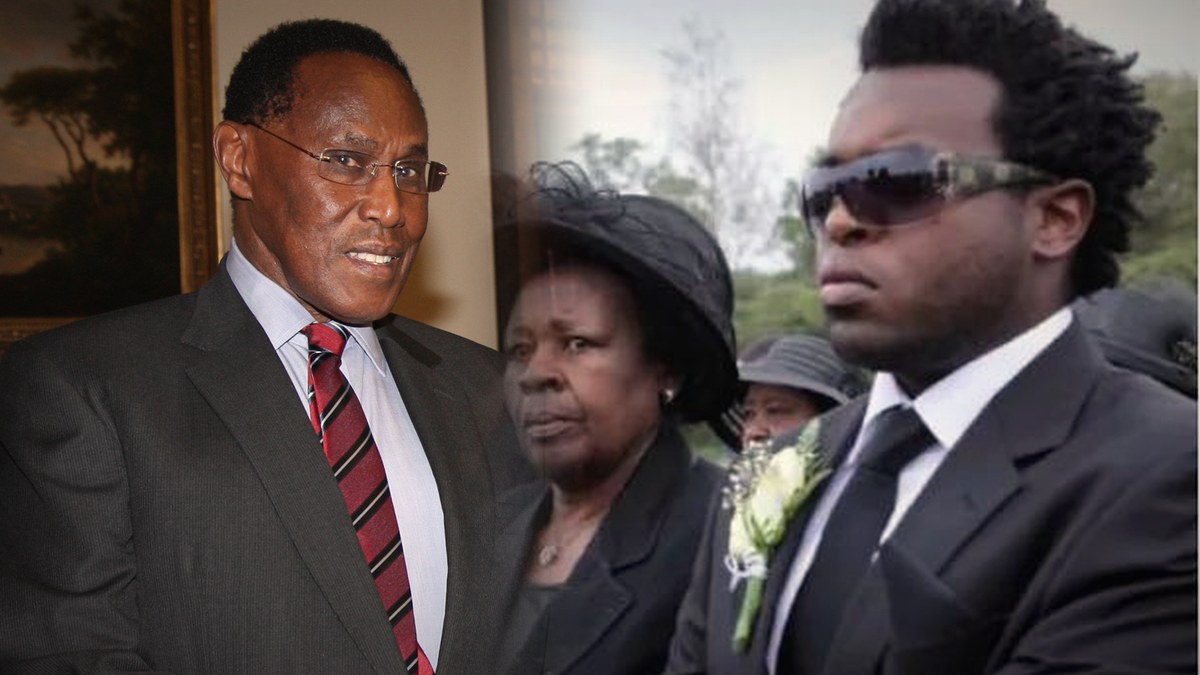
Saitoti's widow opposes bid to exhume former VP for DNA test in 'secret son' claim
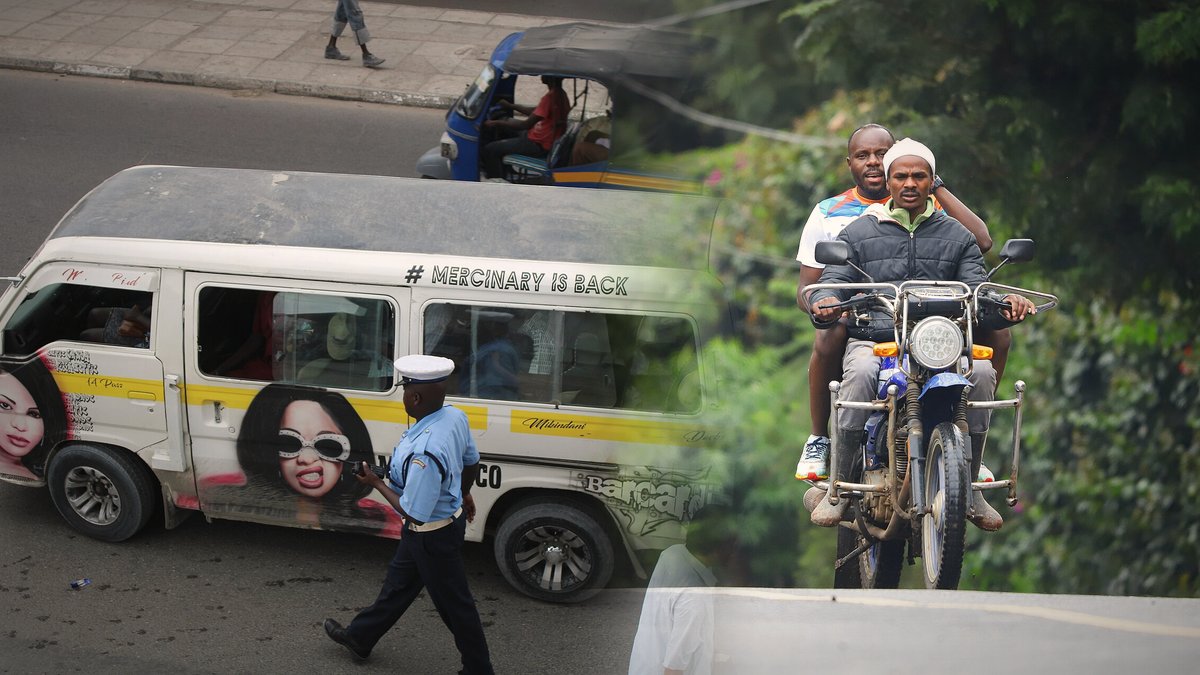
Police take road safety drive to Mandera, Kilifi, Kwale, Mombasa, Narok and Garissa as holiday travel peaks
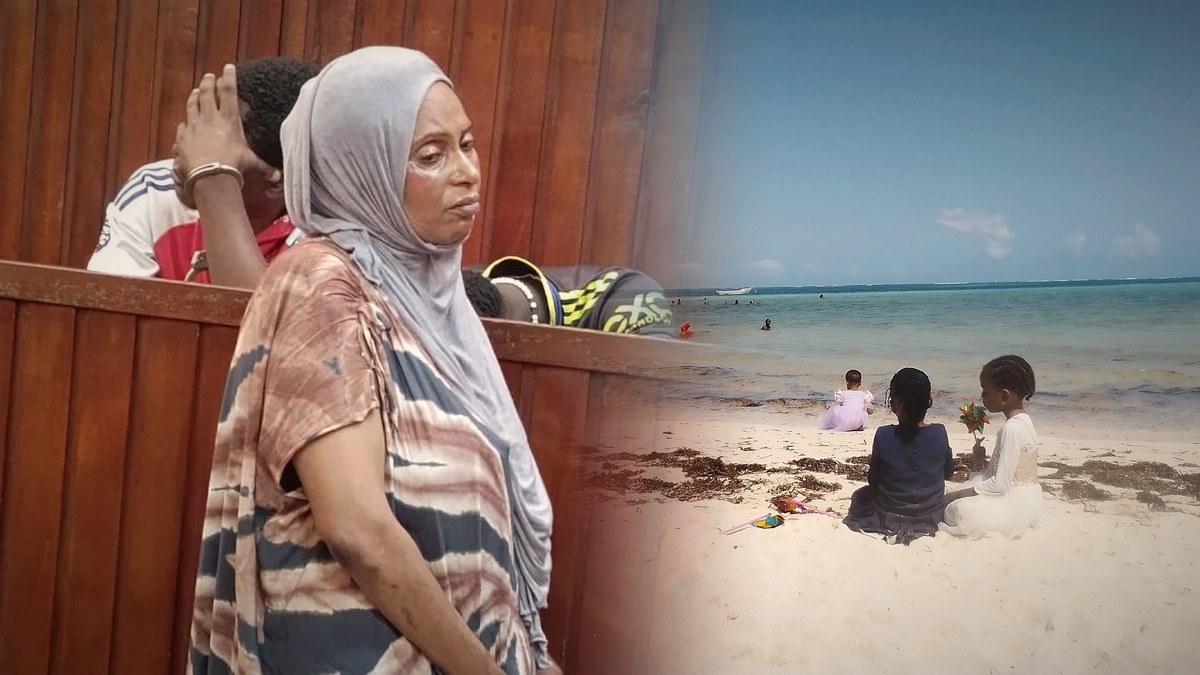
Mombasa woman charged over Sh100 million Shelly Beach land fraud

Police hunt owners of 10 motorbikes in probe into Githongo Mashujaa Day violence
Six foreigners among nine held after Kenyan man dies in eighth-floor fall in Kileleshwa
IPOA opens probe into arrest of Citizen TV journalist Odee Francis, targets seven officers
Global Community Remarks
0