
Cabinet adopts Ksh2.47 trillion energy compact to connect 5.1 million more homes by 2030

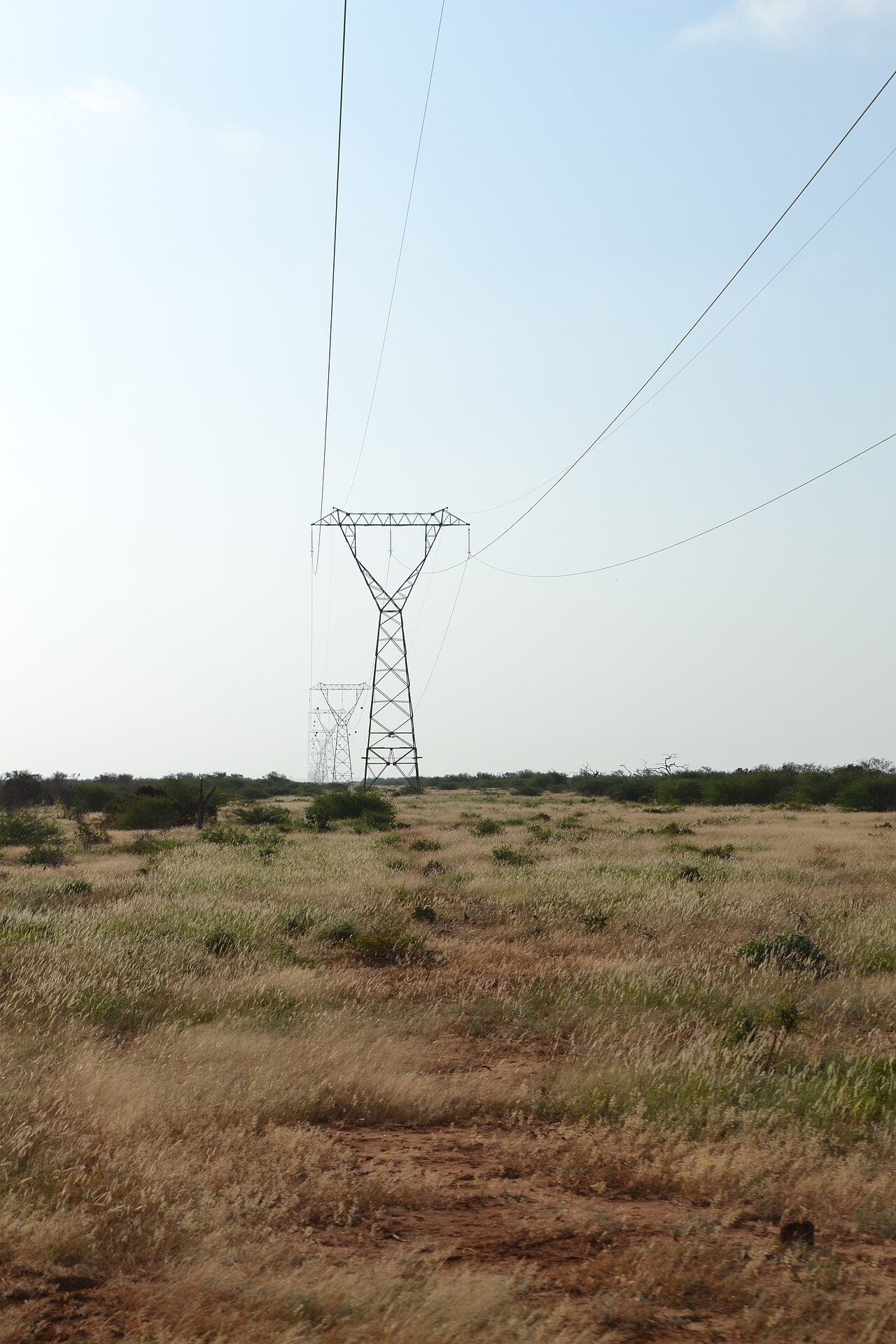
The Cabinet has adopted the Kenya National Energy Compact, a plan that seeks to mobilise about Ksh2.47 trillion (roughly US$19 billion) in investment and connect an additional 5.1 million households to electricity by 2030.
The decision was made at a Cabinet meeting chaired by President William Ruto at State House, Nairobi, on Friday, October 9, 2026. In its dispatch, the government said the initiative would expand electricity access in underserved communities, support enterprise growth and open up opportunities for industrial development and jobs.
What the compact is
Kenya's energy compact was prepared under Mission 300, a continental drive backed by the World Bank Group and the African Development Bank to bring electricity to 300 million people in Africa by 2030. Countries that join draw up national compacts setting out targets, policy reforms and financing needs.
According to the compact document published by the Ministry of Energy and Petroleum, the government intends to raise household electricity access from about 75 per cent to 100 per cent by 2030, bringing the total number of connected households to around 15 million. The plan relies on a mix of grid extension and off-grid options such as mini-grids and solar home systems for remote areas where extending power lines is costly.
Clean cooking push
At the same sitting, the Cabinet approved a Ksh1.1 billion programme to support the uptake of 100,000 electric cooking appliances in Nairobi, Kiambu, Machakos and Kajiado counties. The government said the programme would promote cleaner cooking and reduce household exposure to harmful smoke. It has not yet said whether the appliances will be free or subsidised, or how households will qualify.
Ministers also cleared a rural roads programme covering three corridors: the South Rift-Lake Region Gateway Corridor (253km), the Great Highlands Connectivity Corridor (256km) and a roughly 400km Lake Victoria Ring Road.
What it means
For millions of families still relying on kerosene lamps and firewood, particularly in arid and semi-arid counties and remote rural areas, the compact holds out the promise of a connection within the next four years. Access to power is closely tied to opportunities for small businesses, better lighting for pupils studying at night and improved services at health centres.
However, the targets are ambitious. Earlier connection drives such as the Last Mile Connectivity Project showed that extending the grid is only part of the challenge, as newly connected households must also be able to afford to use power. Raising financing on the scale proposed will depend heavily on development partners and private investors.
Next steps
The Ministry of Energy and Petroleum is expected to lead implementation. Details of financing arrangements and county-level connection targets have yet to be made public.
Photo: CT Cooper / Wikimedia Commons, CC BY 3.0


Take your event live to thousands.
Multi-camera live streams, panel discussions and digital broadcasts with professional crews.




More in Business
See all
Kirima's widow warns Kenyans against buying plots on disputed 1,000-acre Njiru land

Kenya woos foreign building materials makers to set up factories and boost affordable housing
Bankers push for PAYE cut for all workers as Ruto targets low earners
Second shipment of heavy machinery for Dangote refinery docks at Lamu port

UK government arm takes Sh1.94bn stake in Quickmart IPO

Six oil tankers among 51 ships expected at Mombasa and Lamu ports by end of October
Global Community Remarks
0