
Court bars Nairobi County from leasing Uhuru and Central parks without meaningful public participation

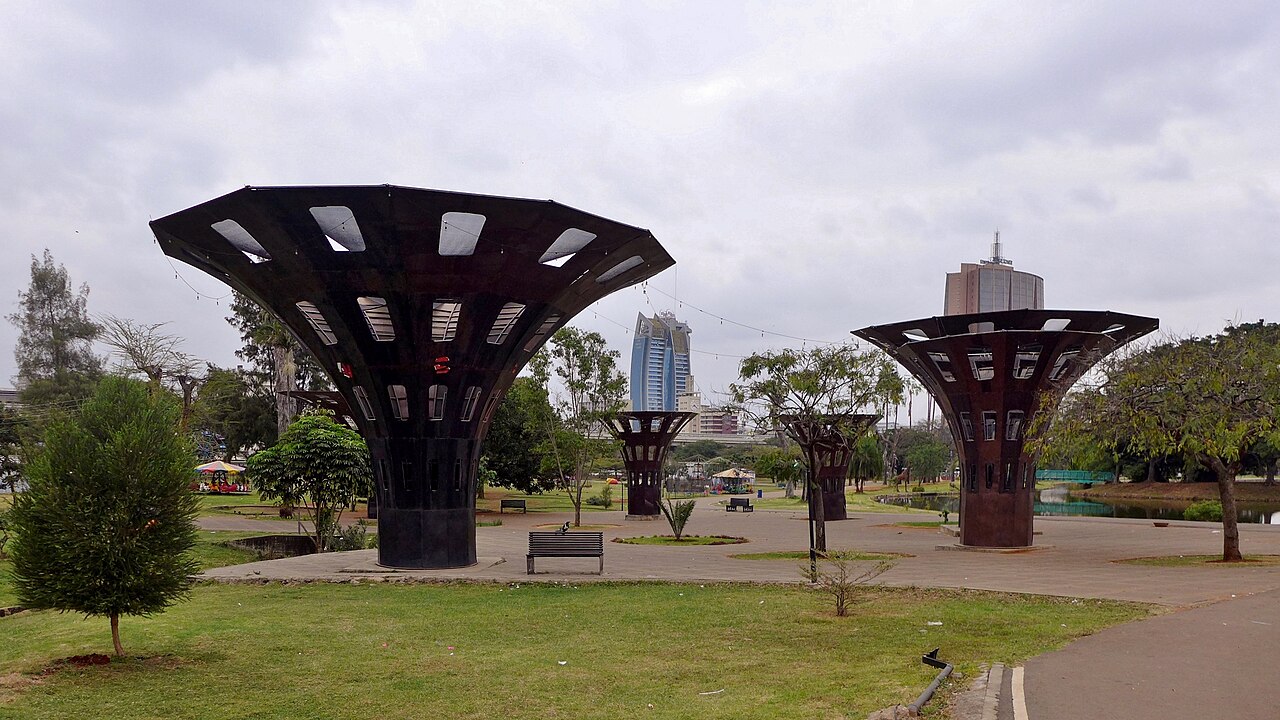
The Environment and Land Court has barred Nairobi City County from leasing out sections of Uhuru Park and Central Park to private operators until it conducts meaningful public participation and complies with the law, in a decision hailed by conservationists as a win for public green spaces.
Justice Oscar Angote, in a decision issued on 8 October on a petition filed by the Green Belt Movement, restrained the county from implementing Resolution No. 3 of the County Executive Committee communiqué of 3 December 2024, which had approved the leasing and renting of designated spaces in the two parks.
What the court ordered
According to Nation and Kenya Times, the court:
- Stopped the county from implementing the leasing plan until it carries out meaningful public participation and complies with applicable laws, including the Public Private Partnerships Act, 2021, if the arrangement qualifies as a public-private partnership
- Declared that the right to a clean and healthy environment under Article 42 of the Constitution includes Kenyans' right to freely access public open green spaces such as Uhuru and Central parks
- Found that the prolonged closure of Central Park violated that right and ordered the park opened
- Directed the county to prepare rules for managing the parks within 12 months
The two outlets reported that the judge partly allowed the petition, while The Eastleigh Voice described the orders as temporary, pending a full hearing. He declined a request to order the county to set up at least one extensive green space in each of Nairobi's 17 sub-counties, reportedly because no specific legal obligation to do so had been identified.
Some reports described the orders as preserving the status of the parks, with the county barred from signing lease agreements, granting commercial concessions or entering private management contracts for the two parks.
Background to the dispute
Uhuru and Central parks, which sit next to each other along Uhuru Highway in the city centre, were closed in 2021 for major renovations started by the defunct Nairobi Metropolitan Services. Uhuru Park later reopened, but has been closed intermittently since.
In December 2024, the county cabinet approved a plan to rent out designated spaces in the renovated parks to private vendors, facility managers and event organisers, saying it would raise revenue and pay for maintenance. Critics, including some county leaders, warned the plan could open the door to the grabbing of public land.
The Green Belt Movement, founded by the late Nobel laureate Wangari Maathai, who famously fought to save Uhuru Park from a planned skyscraper in 1989, went to court arguing that the county had acted without adequately consulting residents and that leases could lock ordinary Nairobians out of the city's few public recreational spaces.
In December 2024, the same court, through Justice Anne Omollo, had issued temporary orders directing the county to reopen Central Park, but it stayed shut. Governor Johnson Sakaja's administration eventually reopened the park in mid-September 2026, after nearly five years.
What it means
The ruling does not permanently outlaw commercial activities in the parks, but it means City Hall must return to residents with its proposals and show that their views have been taken into account before any lease or concession is signed. The county could also challenge the decision at the Court of Appeal.
Photo: Bahnfrend / Wikimedia Commons, CC BY-SA 4.0


Grow an audience that listens.
Social media management, digital campaigns and online storytelling that converts.



More in Crime & Justice
See all
Saitoti's widow opposes bid to exhume former VP for DNA test in 'secret son' claim

Police take road safety drive to Mandera, Kilifi, Kwale, Mombasa, Narok and Garissa as holiday travel peaks
Mombasa woman charged over Sh100 million Shelly Beach land fraud

Police hunt owners of 10 motorbikes in probe into Githongo Mashujaa Day violence

Six foreigners among nine held after Kenyan man dies in eighth-floor fall in Kileleshwa

IPOA opens probe into arrest of Citizen TV journalist Odee Francis, targets seven officers
Global Community Remarks
0