
Kenya backs new Africa Credit Rating Agency, seeks secondary office in Nairobi


Kenya has thrown its support behind the newly launched Africa Credit Rating Agency (AfCRA), with President William Ruto describing the continent-backed body as an important step towards improving how Africa's economies are assessed by global investors.
In a statement issued on Monday, 12 October, President Ruto said Kenya would begin discussions on Nairobi serving as a secondary jurisdiction for the agency and on Kenya becoming one of its sovereign clients. The agency was officially launched in Port Louis, Mauritius, on 7 October.
"Kenya is pleased to welcome AfCRA and to commence discussions on Nairobi serving as a secondary jurisdiction," President Ruto said, according to People Daily.
The President, who serves as the African Union (AU) Champion for Institutional Reform, congratulated the AU and commended the African Peer Review Mechanism (APRM) and its partners for their role in setting up the agency. He described AfCRA as an African-led institution "capable of reflecting the continent's true economic realities and potential", KBC reported.
"I have consistently championed the reform of the global financial architecture," he added, according to People Daily.
Why it matters
President Ruto argued that African countries need greater influence over how international markets judge their economies, pointing to geopolitical competition, volatile capital flows, the energy transition and artificial intelligence as forces reshaping global finance. "Africa must have trusted institutions capable of interpreting these shifts," he said, as quoted by KBC.
He said the agency could help strengthen investor confidence, widen access to development financing and give African states a stronger voice in the international financial system.
The launch follows years of complaints by African leaders about how the three dominant global rating agencies, Moody's, Standard & Poor's and Fitch Ratings, price African sovereign risk. The UN Economic Commission for Africa (ECA) estimates that persistent risk premiums cost the continent about US$75 billion a year in excess interest payments, according to the UN Office of the Special Adviser on Africa.
No agreement on a Nairobi office has yet been announced, and Kenya's proposed role remains subject to talks with the agency.
What AfCRA is
AfCRA is an independent, private sector-driven institution set up after years of work by the AU and the APRM, with support from the ECA. Mauritius hosts its headquarters and is its primary jurisdiction. Its chief executive is Sifiso Falala. Besides rating sovereign governments, it is expected to assess subnational entities and African companies.
The AU has stressed that the new body "is not intended to replace existing international credit-rating agencies", but to complement them by bringing more African data and expertise into assessments, KBC reported.
Calls for independence
Speakers at the launch in Port Louis cautioned that the agency's credibility would depend on its independence and on economic fundamentals. AU Commission Chairperson Mahmoud Ali Youssouf called the launch a milestone but warned that the agency alone would not significantly lower Africa's cost of capital, according to the UN account of the event.
APRM chief executive Marie-Antoinette Rose-Quatre said: "Independence must not be a slogan used at launch; it must be the discipline by which this institution lives." Mauritius' Minister of Financial Services and Economic Planning, Jyoti Jeetun, said the aim was accurate assessment rather than better grades. "AfCRA is not about asking the world to rate Africa more favourably," the minister said.
ECA Deputy Executive Secretary Hanan Morsy said improved ratings alone would not solve Africa's financing challenges, while the UN Special Adviser on Africa, Ahunna Eziakonwa, urged African institutions to make use of the agency's ratings. "We cannot ask global capital to trust what African capital treats as optional," Ms Eziakonwa said.
The agency has not yet published its rating methodology or announced when it will issue its first ratings.
Photos: Mikaeeldh / Wikimedia Commons, CC0; Government of Kenya / Wikimedia Commons, public domain
Every moment, captured beautifully.
Events, corporate portraits, products and editorial shoots by our newsroom photographers.





More in Business
See all
Kirima's widow warns Kenyans against buying plots on disputed 1,000-acre Njiru land

Kenya woos foreign building materials makers to set up factories and boost affordable housing

Bankers push for PAYE cut for all workers as Ruto targets low earners
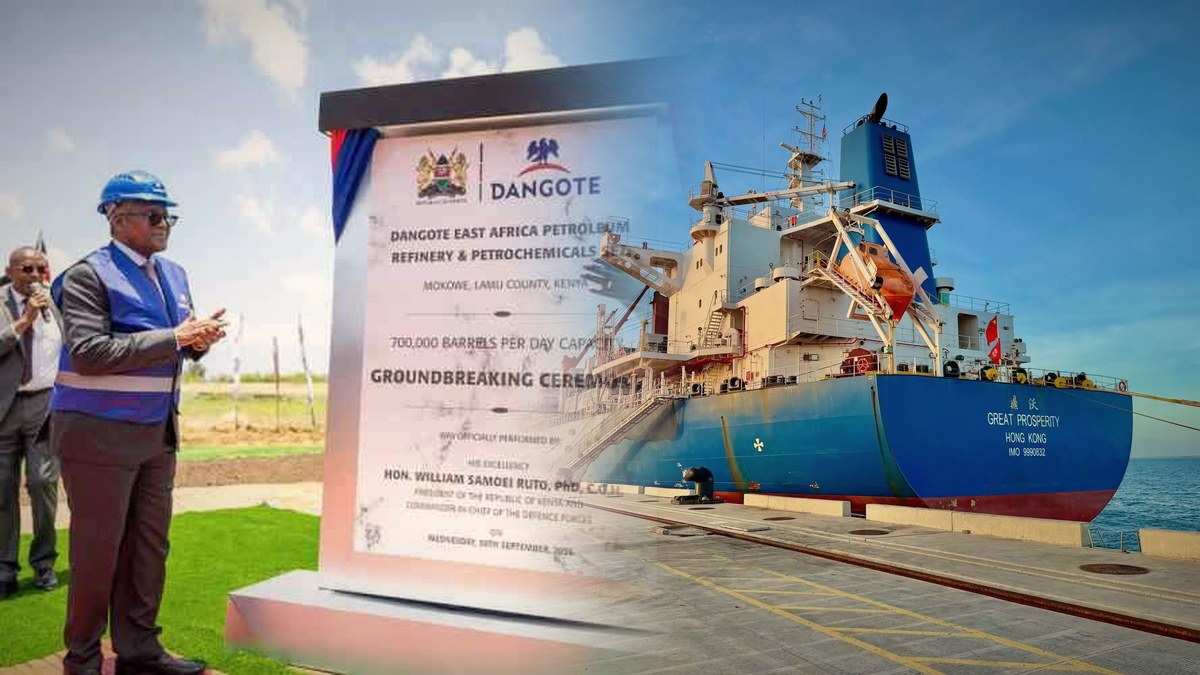
Second shipment of heavy machinery for Dangote refinery docks at Lamu port

UK government arm takes Sh1.94bn stake in Quickmart IPO
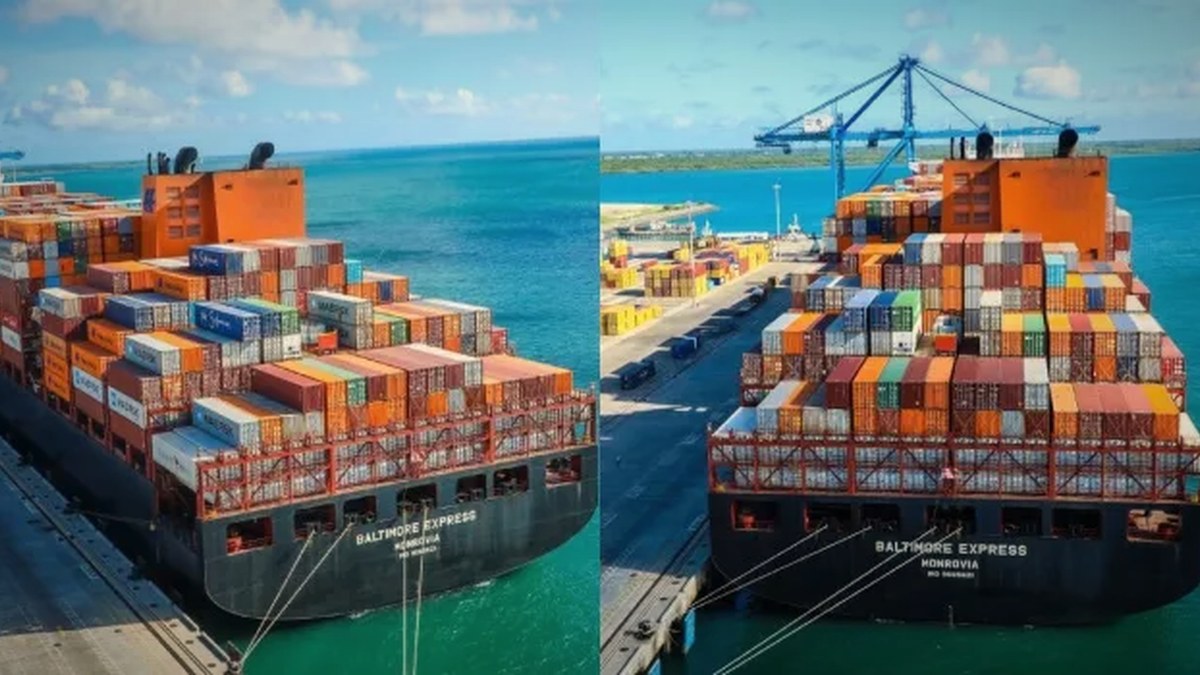
Six oil tankers among 51 ships expected at Mombasa and Lamu ports by end of October
Global Community Remarks
0