
The UDA-ODM Broad-Based Government, A New Era or a Countdown to 2027?

The political landscape in Kenya has undergone a seismic shift with the formation of the UDA-ODM Broad-Based Government. As we head toward the 2027 elections, the big question on everyone’s mind is: Is this a temporary marriage of convenience or a long-term political revolution?
Here is a breakdown of the current state of play for the UDA-ODM partnership.
1. The Foundation: A Deal "Beyond 2027"?
When the Memorandum of Understanding (MoU) was signed, it was built on a 10-point agenda aimed at national unity and economic recovery. Recently, key figures like Wilson Sossion have insisted that this isn't just a short-term fix—they claim the partnership is designed to last well beyond the next election cycle. However, for the average citizen, the "future" of this deal depends entirely on whether it delivers on its promises, like the Nyota Fund.
2. The Post-Raila Era in ODM
The passing of Raila Odinga in late 2025 changed everything. Under the new leadership of Oburu Oginga, ODM has remained committed to the broad-based arrangement. By staying in government, ODM maintains its influence, but it also faces internal pressure. The removal of Edwin Sifuna as Secretary General earlier this year highlighted a growing rift between those who want to stay in the "broad-based" fold and "rebels" who want to return to a traditional opposition role.
3. The "Zoning" Battleground
The real test for this government's future will be the 2027 General Election.
The Conflict: Will UDA and ODM field candidates against each other, or will they "zone" the country to avoid competition?
The Risk: If they don't agree on zoning, they will end up fighting for the same seats, which could tear the partnership apart. Currently, many party officials are calling those who oppose zoning "enemies of progress," showing just how high the stakes are.
4. Stability vs. Accountability
From a governance perspective, the UDA-ODM alliance is a powerhouse. With a massive majority in Parliament, they can pass legislation without the typical gridlock.
The Upside: Political stability and a reduction in street protests.
The Downside: A lack of a strong opposition can lead to a lack of accountability, leaving many Kenyans wondering who is left to keep the government in check.
The Verdict
The UDA-ODM government has a solid path through 2027 because both sides currently gain more from being "inside" than "outside."
However, the "Broad-Based" tag is a double-edged sword. If the economy doesn't improve and the cost of living remains high, both parties will have to share the blame. As we move closer to 2027, the pressure to maintain individual party identities might eventually outweigh the benefits of cooperation.
What do you think? Is this the "New Normal" for Kenyan politics, or will we see a return to the old rivalries by next year?
(By journalist Sammy)


Grow an audience that listens.
Social media management, digital campaigns and online storytelling that converts.



More in Politics
See all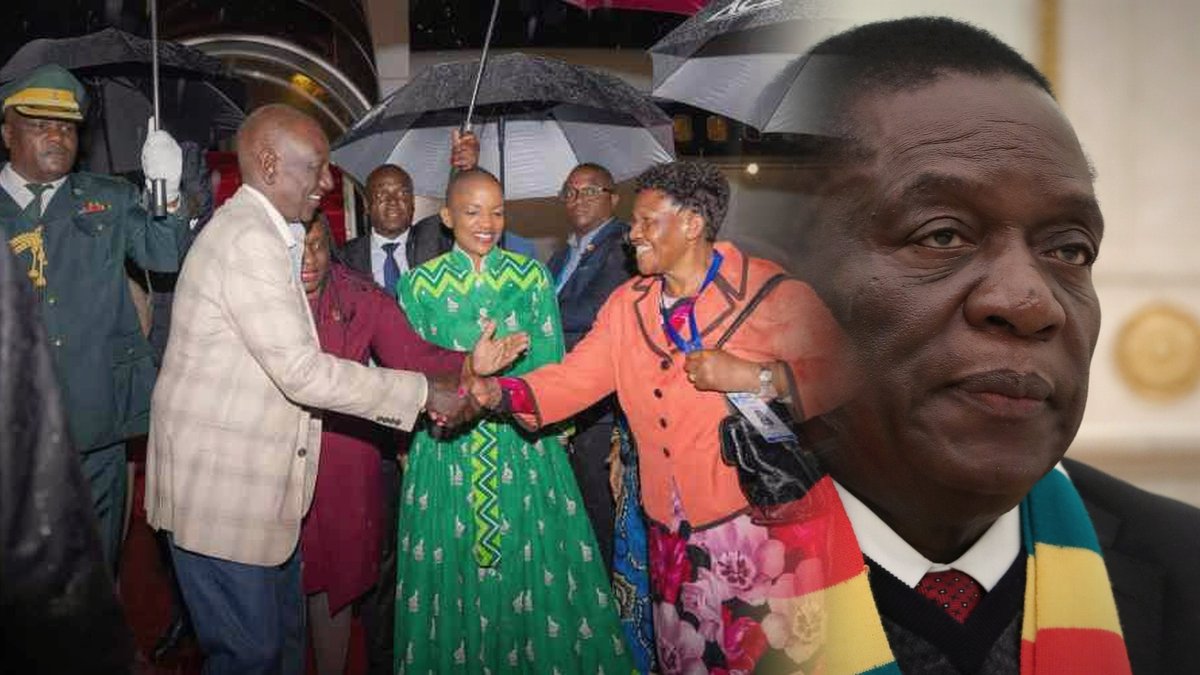
Ruto lands in Harare to hand over COMESA chairmanship to Mnangagwa at 25th summit
"My only mistake was to outshine my master": Mosiria fires back at Sakaja after sacking
Moi and Komen dynasties line up to take back Rongai seat from UDA's Chebor
Karua, Nyoro and Matiang'i dismiss Ruto's PAYE relief pledge as 2027 campaign bait
Gachagua and Sifuna to take alliance to the ground with first joint rally in Nyahururu

Global Community Remarks
0