
Analysis: Why zoning has become the toughest test for the ODM-UDA partnership ahead of 2027

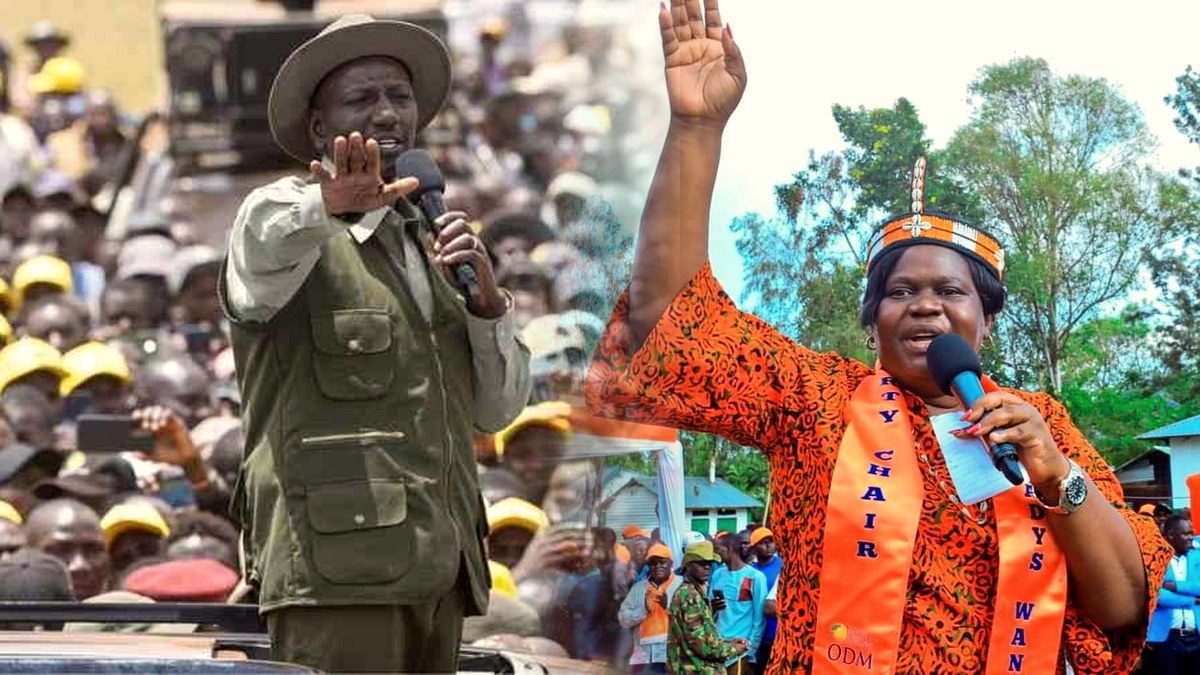
With less than ten months to the August 2027 General Election, one word is testing the partnership between President William Ruto's United Democratic Alliance (UDA) and the Orange Democratic Movement (ODM) more than any other: zoning.
The idea is simple. Partners in Ruto's broad-based arrangement would agree not to field rival candidates in each other's strongholds, leaving a single ticket per seat. Putting it into practice has proved anything but simple, and the debate now cuts across the Coast, Nyanza and Western Kenya.
The case for zoning
Within ODM, a vocal camp argues that zoning should be a precondition for any pre-election pact. Homa Bay Town MP Peter Kaluma has framed it starkly. "You are either a partner or the enemy," he said, according to The Star, insisting that partners should "field a single candidate for each seat from the president, governor, MPs to MCAs."
Awendo MP Walter Owino has made the reciprocity argument. "If UDA has already zoned the presidency from ODM, what's wrong with ODM zoning her strongholds?" he asked, The Star reported. The point lands because ODM, which has backed Ruto's government since 2024, is widely expected to support his re-election rather than field its own presidential candidate. In return, party leaders want guarantees, from protected seats to, as ODM chairperson Gladys Wanga has suggested, the deputy presidency.
UDA's national ambitions
UDA, however, has repeatedly declined to give ground. Its Secretary-General Hassan Omar, who is himself eyeing the Mombasa governorship held by ODM's Abdulswamad Nassir, has rejected the idea of ring-fencing the Coast. "The Coast belongs to the people of the Coast, let us compete fairly," he said. Omar had earlier, in April, ruled out zoning outright at a forum in Mombasa.
Political commentator Caleb Burudi told The Star that UDA's push into ODM territory reflects a bid to "build UDA into a national political party rather than rely on regional alliances." The two parties, he noted, have very different bargaining power from region to region.
Ruto has tried to cool tempers. Ending an eight-day Coast tour earlier this month, he told rival aspirants that "ODM and UDA are one team, and you should accommodate each other under a broad-based government," The Standard reported, but also urged them to "seek votes from the people and not rely on external backing."
Where the fault lines run
The Coast has become the clearest test. In Kwale, UDA Governor Fatuma Achani is seen as the broad-based camp's pick, but Prof Hamadi Boga, who came second in 2022, has dismissed the plan: "You can zone candidates but you cannot zone the voters." In Kilifi, backing for ODM Governor Gideon Mung'aro prompted former Cabinet Secretary Aisha Jumwa to quit UDA. In Mombasa, Omar's bid sets up a direct UDA-ODM contest.
In Nyanza, ODM's core, the party wants its base protected after dozens of local leaders flirted with UDA tickets this year. In Western, Kakamega Deputy Governor Ayub Savula has argued that UDA should be free to field candidates for every post.
The opposition's mirror problem
The question is not unique to the ruling side. The opposition faces its own version as it tries to agree on a single presidential ticket. Rigathi Gachagua, leader of the Democracy for the Citizens Party, has said bluntly, "We do not want zoning," except for the presidency, while Kiharu MP Ndindi Nyoro has ruled out zoning for his People's Party of Kenya.
What it means
No formal ODM-UDA pre-election coalition agreement has been signed, and no seat-sharing formula has been published. Zoning sits at the heart of those talks because it tests whether the partnership is a genuine alliance of equals or a looser arrangement in which each party hunts for seats on its own. For ODM, still redefining itself after the death of Raila Odinga in 2025, protected strongholds are a measure of its value to Ruto. For UDA, the freedom to contest everywhere is part of its pitch to be a truly national party.
How the two sides settle the question, through negotiated zones, joint nominations in marginal areas, or open competition, will shape not only party primaries next year but also the strength of the coalition Ruto takes into 2027.
Photos: President William Ruto addresses supporters (The Standard); ODM chairperson Gladys Wanga (LuffyDe / Wikimedia Commons, CC0).



Know what people say about you.
Media monitoring, audience insights and strategic communication for your brand.


More in Politics
See all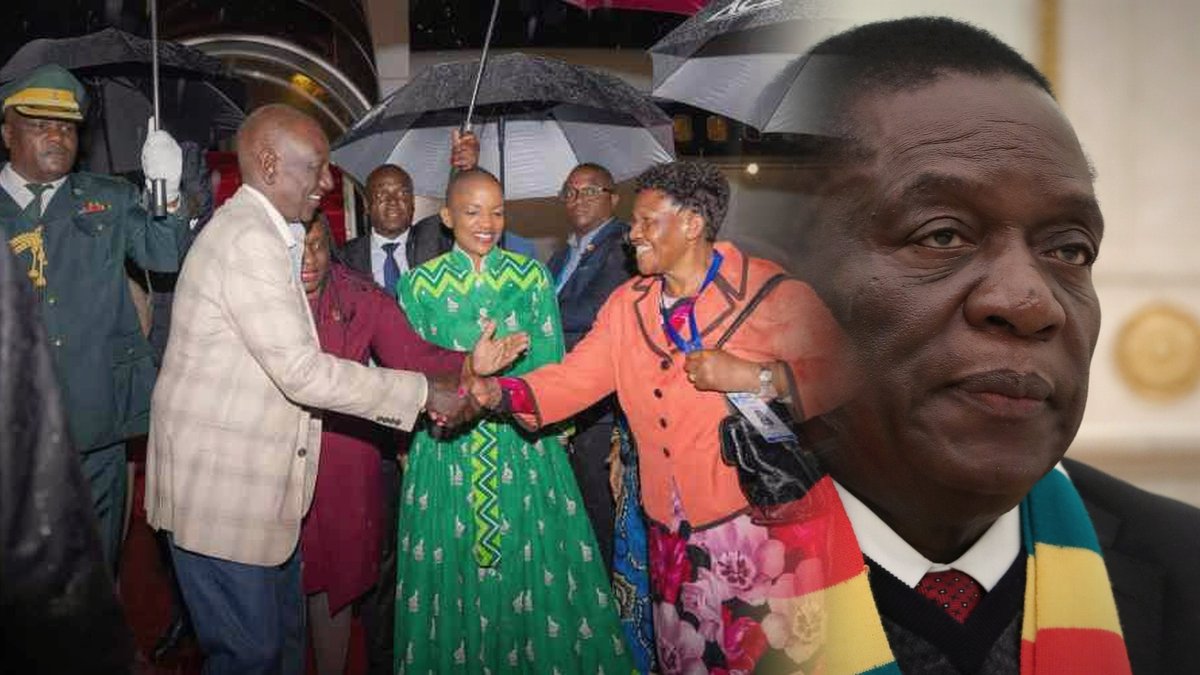
Ruto lands in Harare to hand over COMESA chairmanship to Mnangagwa at 25th summit
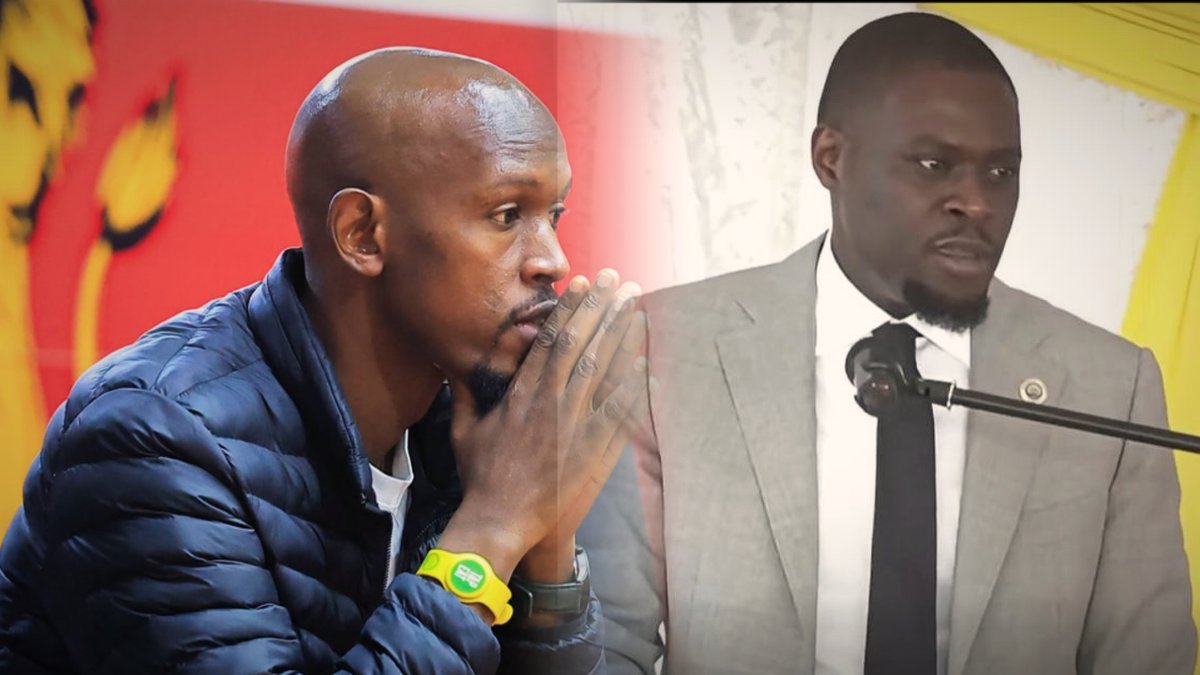
"My only mistake was to outshine my master": Mosiria fires back at Sakaja after sacking
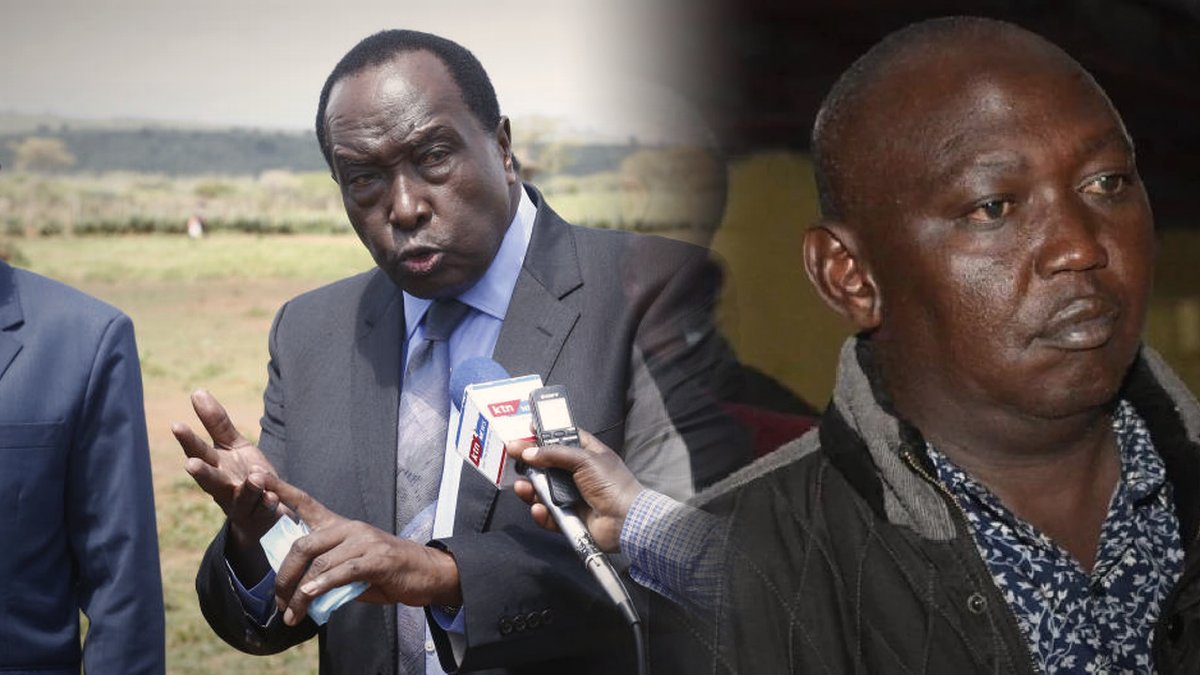
Moi and Komen dynasties line up to take back Rongai seat from UDA's Chebor
Karua, Nyoro and Matiang'i dismiss Ruto's PAYE relief pledge as 2027 campaign bait
Gachagua and Sifuna to take alliance to the ground with first joint rally in Nyahururu
Babu Owino dismisses claims Gachagua told him to quit Nairobi governor race for Senate
Global Community Remarks
0