
Kenya halfway through 42-day countdown to Ebola-free status, Duale says

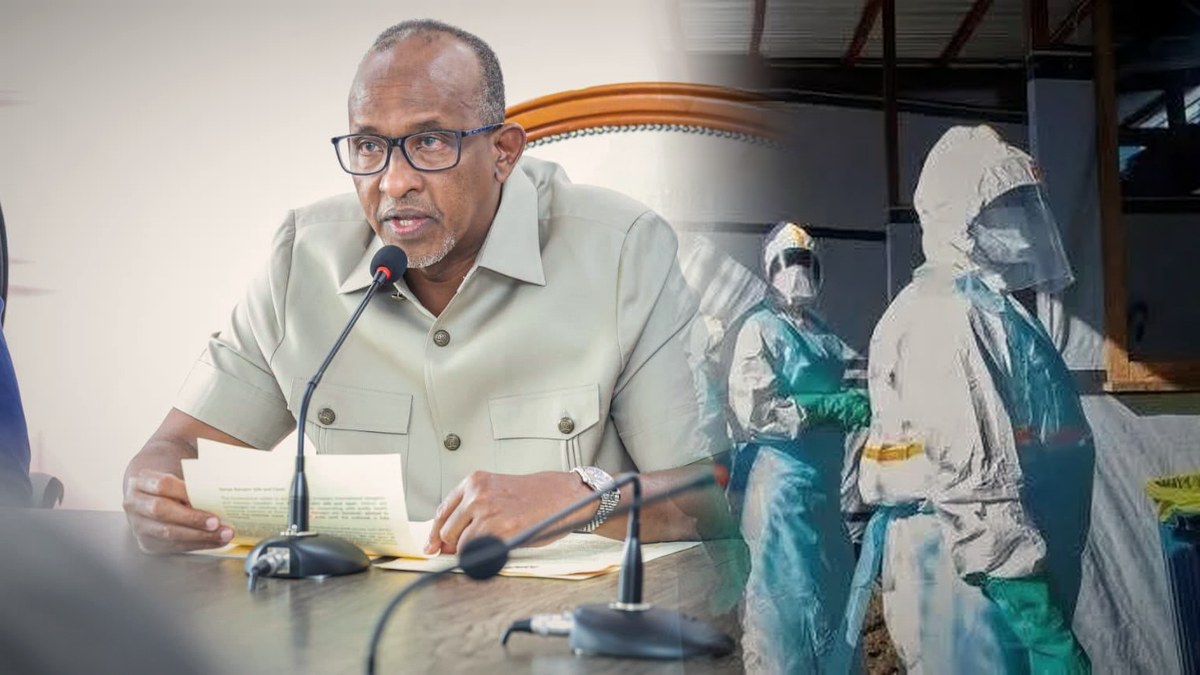
Kenya can only be declared free of Ebola once it goes 42 consecutive days without a new case, Health Cabinet Secretary Aden Duale has said, adding that the country is now roughly halfway through that period with the outbreak contained to a single cluster of cases.
Speaking in an interview on Citizen TV on Sunday, October 25, Duale said the 42-day threshold is an international requirement set under World Health Organization (WHO) protocols rather than a timeline chosen by Kenya. The period is twice the maximum 21-day incubation period of the virus.
"Once we have 42 days and we have nobody, Kenya will be declared Ebola-free," Duale said, as quoted by The Star.
"We have contained it, and the next time Kenya will be free of Ebola will be when we reach 42 days," he added, according to Kenyans.co.ke, noting that the country was at about 21 days.
All cases within quarantine
Kenya has recorded nine Ebola cases and two deaths since the outbreak began with an imported case in early October. The first patient, a Kenyan who had travelled from the Democratic Republic of Congo (DRC) through Uganda, died shortly after arriving in Nairobi. The second death was a 65-year-old woman who developed symptoms while in quarantine.
Duale said every case after the first was detected among people who were already in quarantine, mainly family members and health workers who had direct contact with the first patient. There was, he said, no transmission from the wider community. The Star reported that the last positive case was recorded on October 19.
The ministry tested about 551 suspected cases in the 48 hours before the interview, and all returned negative. Duale said contact tracing stood at 100 per cent, against a global benchmark of 85 per cent.
Contacts heading home
Contacts who complete their 21-day quarantine are given a final test before being released. Duale said that if they test negative, the Director General of Health will carry out a clinical review and the required protocols, after which they can rejoin their families. Kenyans.co.ke reported that nearly 20 people were due to complete quarantine on Monday, October 26.
The CS also gave an update on preparedness, saying more than 26 high-risk counties had received response equipment and protective gear, 21 isolation ICU beds were ready, 4,900 health workers had been trained in Ebola response alongside 342 first responders, and five laboratories, including two mobile labs, were available for testing.
Health workers on the task force
Duale disputed claims that health workers lacked protective equipment, saying their main complaint had been representation on the multi-sectoral task force overseeing the response. Representatives of clinicians and nurses have since been included, he said.
Days earlier, Duale had warned that there would be no "Ebola billionaires" under his watch, dismissing reports of a Sh70 billion response fund and cautioning tender seekers against loitering around Afya House in search of deals. He linked the warning to the loss of public funds during the Covid-19 pandemic.
The minister thanked the WHO and the United States government, including the US Centers for Disease Control and Prevention, for their support. Kenyans have been urged to report suspected cases through the toll-free line 719, the USSD code *719# or on WhatsApp via 0700 719 719.
The Bundibugyo strain behind the outbreak has no approved vaccine or specific treatment, making early isolation and contact tracing the main tools for stopping its spread.
Photos: The Star (Health CS Aden Duale); Capital FM (health workers in protective gear)


Grow an audience that listens.
Social media management, digital campaigns and online storytelling that converts.



More in Health
See all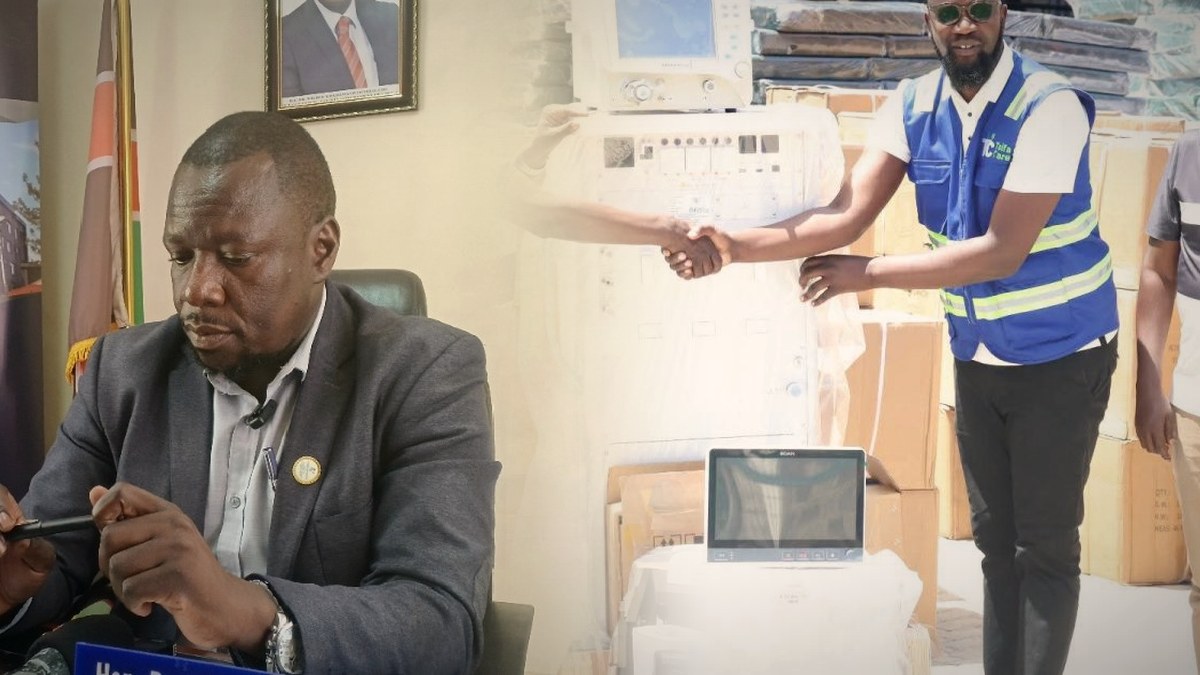
Vihiga sets up five Ebola isolation units and trains over 100 health workers as counties step up preparedness
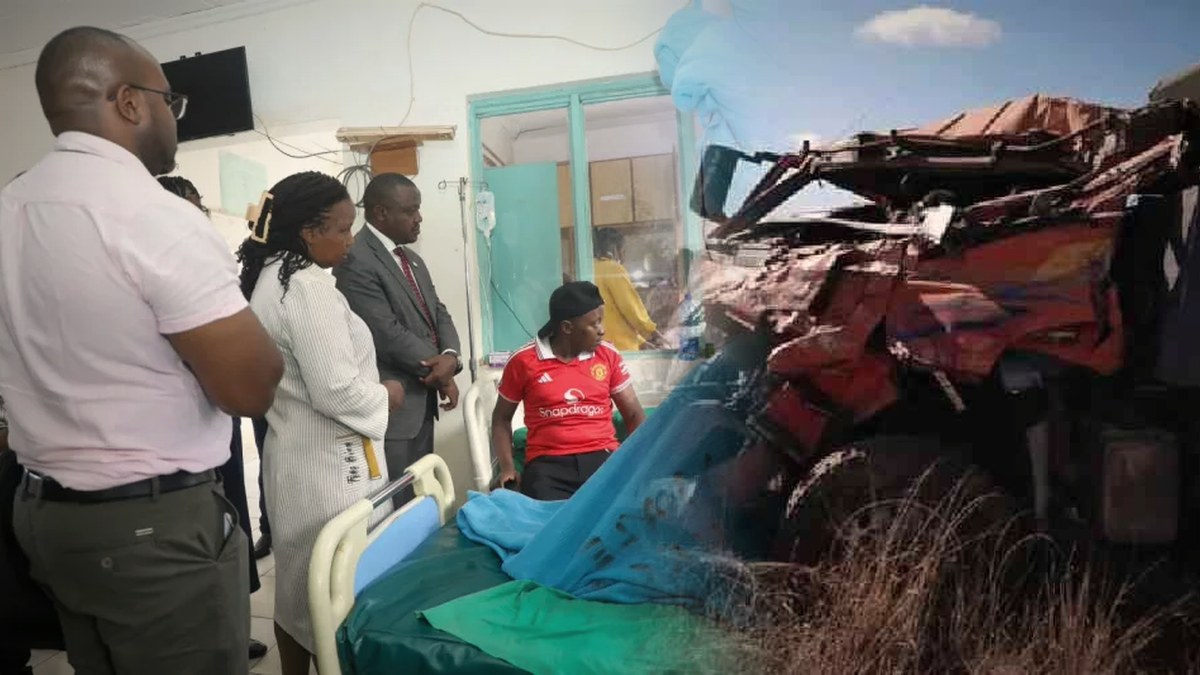
Makueni waives hospital, mortuary and postmortem bills for victims of Kanga church bus crash
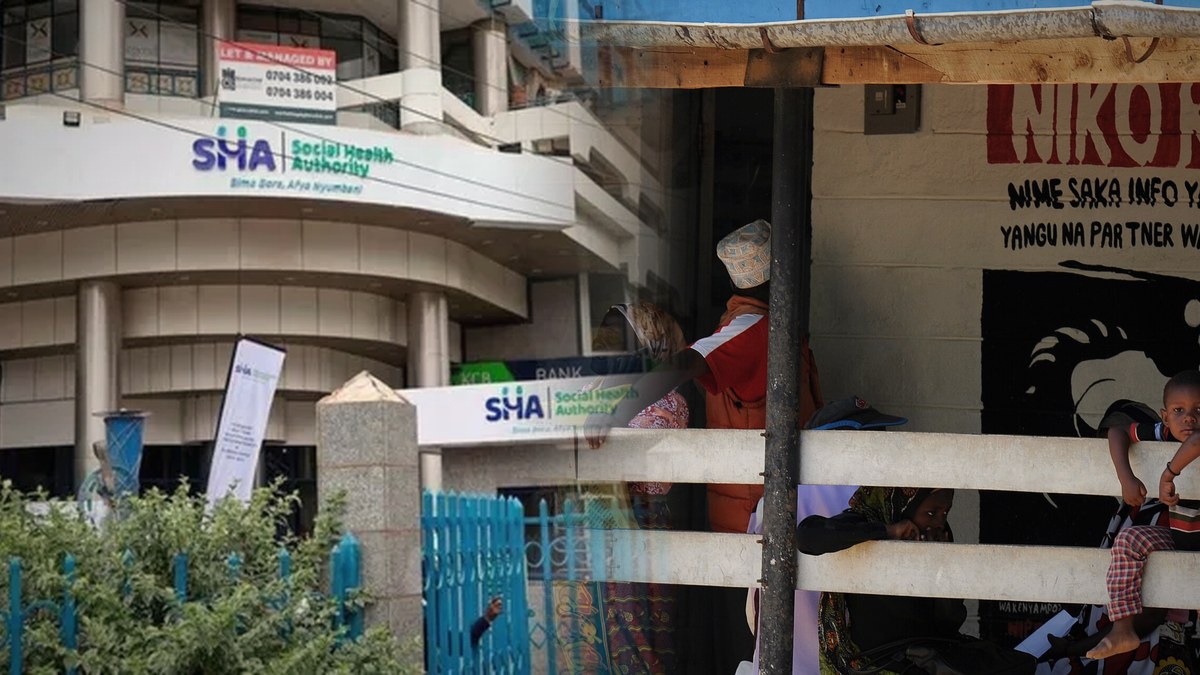
SHA says State pays for indigent Kenyans as it lays out options for those who cannot afford premiums

KMTC to review its 126 courses after MPs warn graduates are struggling to find jobs

Duale says Murang'a's AfyaKE health system ran on an NIS platform, deepening row with Kang'ata over switched-off records

Nigeria flies its only Ebola patient to Switzerland as health officials watch 53 contacts
Global Community Remarks
0