
CJ Koome sets up High Court division for terrorism, trafficking and other international crimes

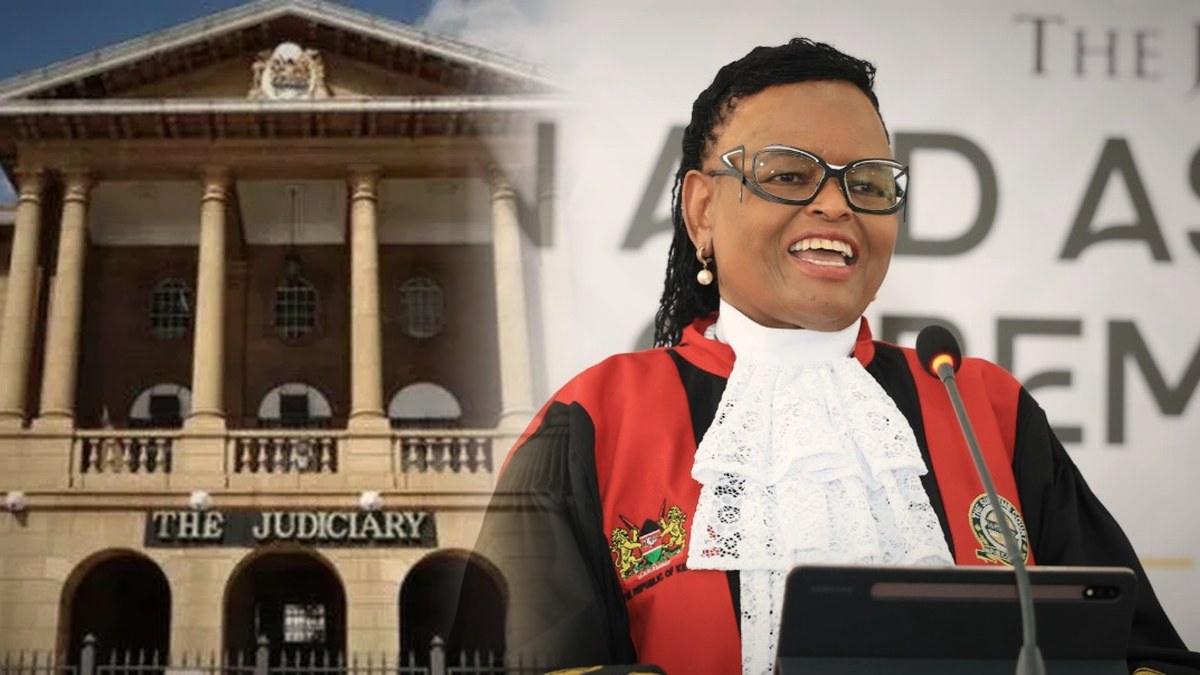
Chief Justice Martha Koome has established a specialised division of the High Court to handle international crimes and serious organised crime, in a move the Judiciary says will bring focus and speed to some of the country's most complex criminal cases.
The International and Organised Crimes Division will begin operating on Friday, 30 October 2026, according to a Gazette notice dated 19 October and published at the weekend. A companion notice sets out practice directions on how cases will be filed and managed.
“The Chief Justice has established the International and Organised Crimes Division of the High Court,” the notice reads, as reported by Kenyans.co.ke.
What the division will hear
The division will have original jurisdiction over cases under the International Crimes Act, 2008, the law that domesticates the Rome Statute of the International Criminal Court. It will also hear appeals from subordinate courts in organised crime cases, along with criminal reviews and revisions, constitutional petitions and judicial review applications linked to its mandate.
According to reports on the notice, offences falling under the division include terrorism, human trafficking, migrant smuggling, kidnapping, arms trafficking, drug trafficking, piracy, and wildlife and environmental crimes. Extradition and mutual legal assistance requests will also be handled there. The Chief Justice may assign it other cases in consultation with the Principal Judge of the High Court.
Koome created the division under sections 11 and 12(3) of the High Court (Organisation and Administration) Act, 2015. Reports say it brings the number of specialised High Court divisions to 11. It follows the Tribunals Appeals Division, which started work in Nairobi on 1 July.
How cases will run
Under the practice directions, all new cases must be filed electronically through the Judiciary's e-filing system at the division's principal registry, with classified documents submitted through a secure portal. A status conference must be held within 14 days of filing to set a trial timetable, rules on disclosure, and safeguards for witnesses and evidence.
Most matters will be heard by a single judge, although the presiding judge may direct that certain appeals go before two judges. Kenyan criminal procedure and evidence law will apply, supplemented by the rules of the International Criminal Court where relevant.
The directions provide for protective measures for witnesses and victims, including hearings held in camera, voice distortion, opaque screens and testimony by video link. A court users' committee chaired by the presiding judge is to meet at least once every quarter.
Cases already part-heard in other High Court stations or divisions will remain there until they are concluded, the notice says, and magistrates' courts will continue to try international and organised crime cases where they have jurisdiction. Cases filed in the wrong court may be transferred.
Why it matters
The Nation noted that the division comes 14 years after the International Criminal Court's intervention in Kenya following the 2007/08 post-election violence, when the country failed to set up a local tribunal to try those most responsible.
The new division also arrives as police report a run of human smuggling cases. On Saturday, officers rescued 59 Ethiopian nationals in Marsabit, days after 65 others were found in a house in Nairobi. Appeals in such cases will now go to a dedicated bench.
The Judiciary has not yet named the judges who will sit in the division.
Photos: Kenyans.co.ke, Eastleigh Voice
Every moment, captured beautifully.
Events, corporate portraits, products and editorial shoots by our newsroom photographers.





More in Crime & Justice
See all
DCI arrests man who allegedly spent Sh6.7 million mistakenly paid into his account with rent
Police rescue 59 Ethiopians, including a four-year-old, in two Marsabit smuggling raids

Supreme Court rules Kenya Railways violated Kibos Nubians' rights in 2021 night-time demolitions

Police inspector linked to murders of Dr Victoria Mutiso and lawyer Kyalo Mbobu detained for 14 days
Police call Karen Nyamu's forged-certificate remarks 'unacceptable' as questions grow over recruitment fraud

EACC recovers 2.7-acre Kikuyu playground after court cancels church guild's title
Global Community Remarks
0