
Lecturers reject Sh11.95bn offer as letter shows ministry still waiting on Treasury to fund it

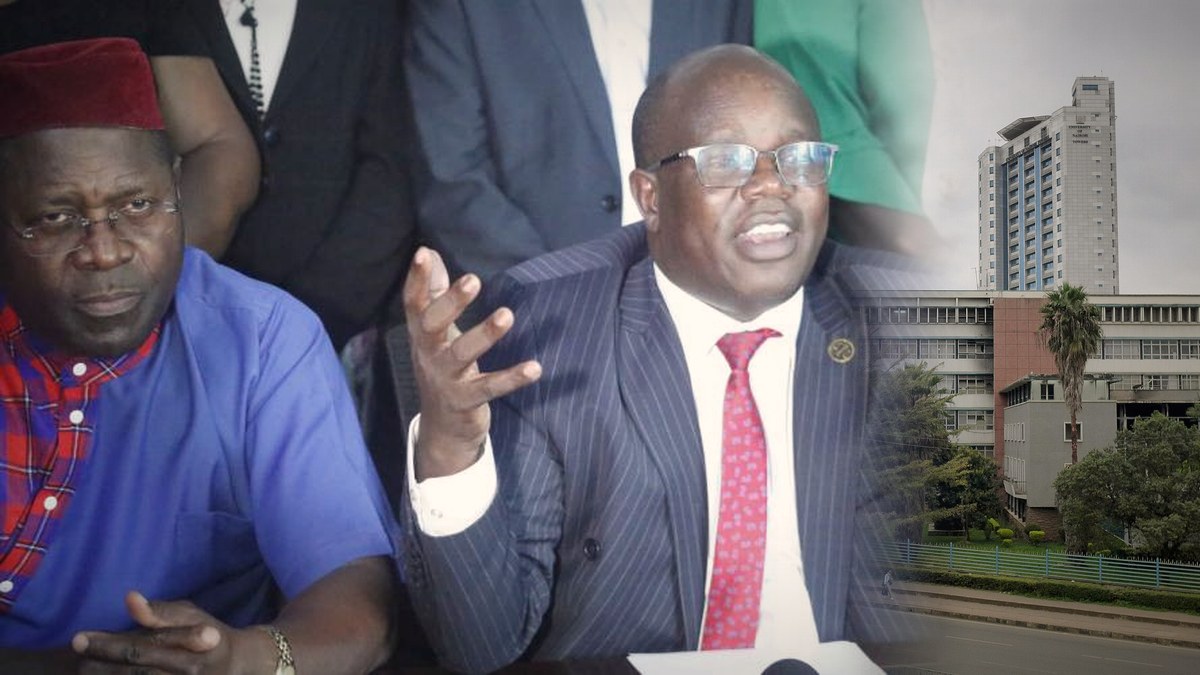
Talks to end the strike by public university staff collapsed again on Monday after the government tabled a counter-offer of about Sh11.95 billion for the 2025-2029 Collective Bargaining Agreement (CBA). The figure is slightly lower than the Sh12 billion it offered two weeks ago, and the unions have responded by vowing to intensify the walkout, now nearing the end of its fourth week.
A letter seen by the Daily Nation suggests the ministry has still not secured the money for even the new figure. In the letter, dated October 23, Higher Education Principal Secretary Beatrice Inyangala asked her National Treasury counterpart, Dr Chris Kiptoo, to raise the government's budget for the university CBAs.
"The purpose of this letter is to appeal for review of the budgetary commitment for 2025-2029 CBAs proposals for public universities from Sh9.76 billion to Sh11.95 billion," Inyangala wrote, according to the Nation.
The amount she asked for is the same Sh11.95 billion the unions were offered at Monday's meeting of the Inter-Ministerial Committee. The letter shows how far the talks depend on the Treasury, which the unions want to commit in writing to paying university salaries.
'A slap in the face'
The Universities Academic Staff Union (UASU) and the Kenya Universities Staff Union (KUSU) said the reduced offer was proof that the government was not negotiating in good faith. The Standard reported that the unions called the proposal "a slap in the face." UASU Secretary General Dr Constantine Wasonga and his KUSU counterpart Dr Charles Mukhwaya addressed journalists in Nairobi on Monday after the meeting ended without a deal.
In a statement after the meeting, Wasonga said the offer would raise basic pay by only about three per cent. "An offer that translates to only a 3 per cent basic salary increment does not address the economic realities facing university staff," he said, according to The Standard. The union pointed to official data showing petrol prices have risen 20 per cent and diesel 42 per cent since January.
UASU wants a credible new offer and an unequivocal commitment that public university salaries will be funded through the National Exchequer. At the moment, universities pay much of the wage bill from their own revenue, including student fees. "The strike therefore continues," the union said.
People Daily and Capital FM also reported that the unions had rejected the reduced offer and vowed to escalate the strike.
Wide gap, shrinking offers
The two sides remain far apart. Inyangala told Parliament's Public Accounts Committee last week that the unions are demanding about Sh98 billion, against a government position that then stood at Sh9.7 billion. The government raised its offer to Sh12 billion on October 12, which the unions rejected. Monday's proposal was lower still.
Education Cabinet Secretary Julius Ogamba said at the weekend that the ministry was working with the Treasury and the Salaries and Remuneration Commission to improve the offer. He has urged lecturers to return to class while negotiations continue.
The unions have also gone to Parliament. UASU, KUSU and the Kenya Union of Domestic, Hotels, Educational Institutions, Hospitals and Allied Workers (Kudheiha) petitioned the National Assembly last week, saying the Treasury had not given written assurance that the deal would be funded. Speaker Moses Wetang'ula referred the petition to the Education and Labour committees.
Students in limbo
The strike began at midnight on October 2 after talks with the Inter-Public Universities Councils Consultative Forum broke down, and teaching has stopped at public universities across the country. Student leaders have warned that learners are running out of money for rent and upkeep, and some have threatened to join the strike.
No date has been set for the next round of talks. Last year, a similar dispute kept lecturers out of class for 49 days before a return-to-work deal was signed in November 2025.
Photos: The Standard; Bahnfrend / Wikimedia Commons (CC BY-SA 4.0)

Tell your story on screen.
Commercials, documentaries, interviews and social video, from script to final cut.





More in Education
See all
KNEC releases July 2026 TVET business and technical exam results, sets December 7 query deadline
HELB releases 12 more loan batches as university and TVET students wait for upkeep money
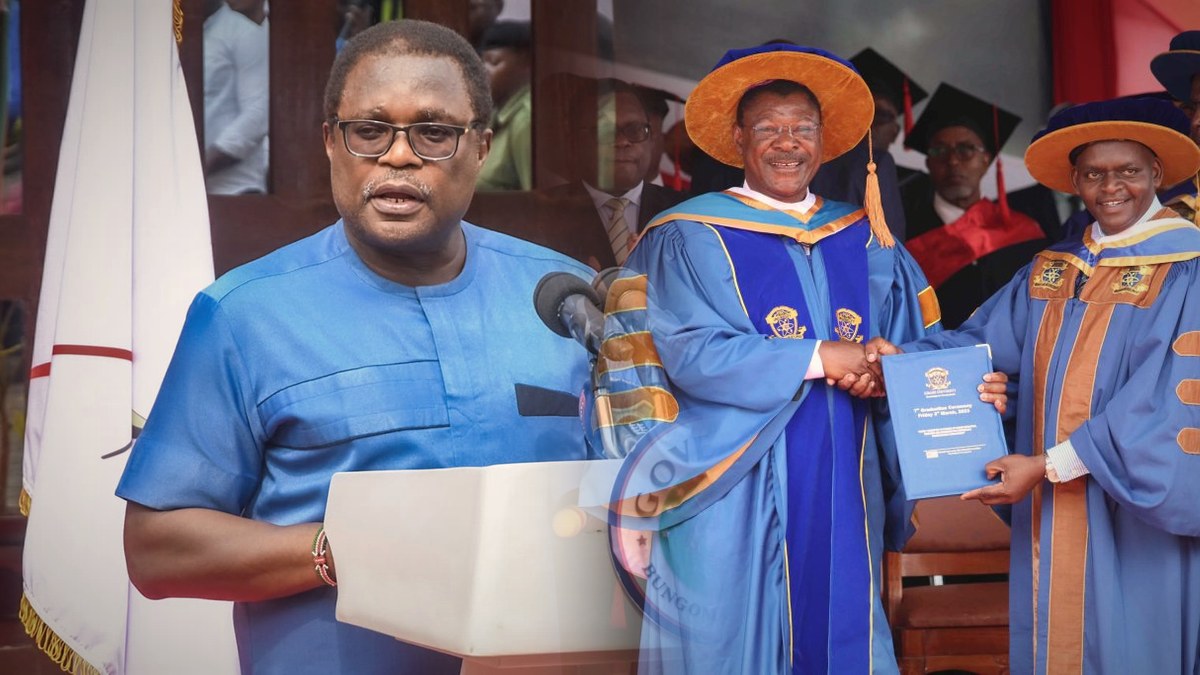
Kibabii University to award Bungoma Governor Lusaka honorary doctorate at November graduation
KPSEA, KJSEA enter day two with no major incidents as 342,005 officials man exam centres
Lecturers' strike enters fourth week as Ogamba turns to Treasury and SRC for better offer and UASU vows to stay out
Ogamba names ex-UoN VC Peter Mbithi to lead 52-member team probing school unrest
Global Community Remarks
0