
Athletics Kenya backs AIU over Jepchirchir suspension, vows zero tolerance as foreign runners demand tougher action
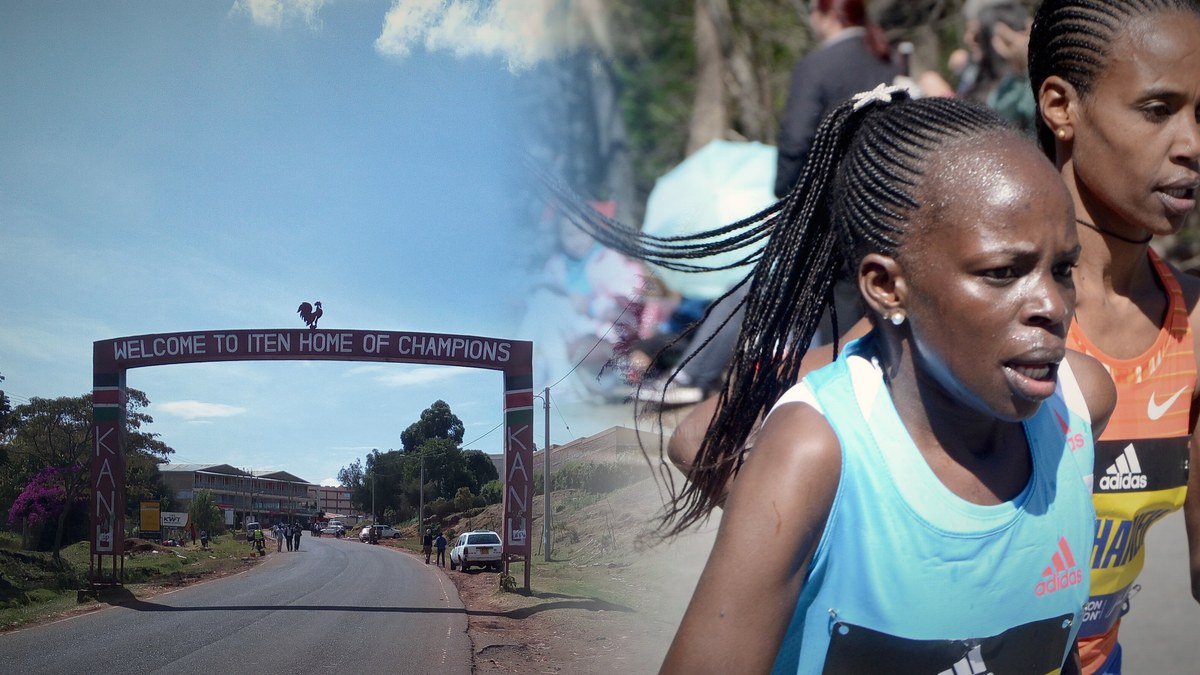
Athletics Kenya (AK) has publicly backed the Athletics Integrity Unit (AIU) after world marathon champion Peres Jepchirchir was provisionally suspended. In a statement on Monday, October 26, the federation repeated its "unwavering policy of zero tolerance to doping." The case has drawn criticism from runners overseas, some of whom are now calling for tougher action against Kenya.
The statement was AK's first formal response since Friday, October 23. That day the AIU announced that a sample collected from Jepchirchir out of competition in Kenya, before her Sydney Marathon win in August, had tested positive for the blood booster erythropoietin (EPO).
'Unfortunate' news, says federation
AK acknowledged the suspension and made clear that it had no role in the testing. The federation said the AIU had carried out both the testing and the provisional suspension in its capacity as the designated Testing Authority, according to Citizen Digital and Mozzart Sport, which published the statement.
"While it is unfortunate to receive such news regarding a high-profile athlete, Athletics Kenya remains firm in its stance on promoting clean sport and ensuring a level playing field for all competitors," the federation said.
AK said it "extends its full support to the rigorous efforts of both global and local anti-doping bodies." It praised the AIU and the Anti-Doping Agency of Kenya (ADAK) and said: "We applaud their commitment to maintaining structured, lawful, and transparent testing mechanisms." The federation said it would keep educating athletes and strengthening testing.
A provisional suspension is an interim measure and not a finding that an anti-doping rule was broken. Jepchirchir is barred from competing while the case goes on. She can contest the finding, including by asking for her B sample to be analysed. The federation did not say what happens next in the case.
Anger from the global running community
Over the weekend, several well-known runners abroad reacted strongly to the news. Canadian Olympic marathoner Rory Linkletter posted that the case "should be the nail in the coffin for Kenyan Athletics IMO," according to a compilation of reactions by the US sports outlet EssentiallySports. Two-time British Olympian Kevin Seaward described "a big problem and no appetite from WA to solve it." US distance runner Natosha Rogers wrote that she hoped "everyone stops shrugging this off at some point."
The reactions add to pressure on Kenya, which has had more than 140 athletes suspended or banned since the AIU was set up in 2017. Former women's marathon world record holder Ruth Chepngetich is among them. On Friday, AK youth development director Barnaba Korir told AFP the federation was "in shock" and called the case "a big disappointment coming soon after we were awarded the World Athletics Championship in 2029."
What is at stake
Jepchirchir is one of the most decorated marathoners of her generation. She is the reigning world champion and won Olympic gold at the Tokyo Games. She has also won the New York, Boston, London and Sydney marathons. Because the sample was taken before the Sydney race, that title could be annulled if a violation is confirmed. Compatriot Irine Cheptai finished second in Sydney, more than three minutes behind her, according to ABC News.
Under the World Anti-Doping Code, the standard sanction for a first intentional violation involving EPO is a four-year ban. Sydney Marathon organisers have said Jepchirchir is entitled to due process and that they will make no further comment until it is complete.
For Kenya, the case comes at an awkward time. The country is preparing to host the 2029 World Athletics Championships in Nairobi, and World Athletics president Sebastian Coe has said Kenya fully supports those preparations. How the federation and ADAK handle doping in the coming months will be watched closely by the sport's governing body and by athletes around the world.
Photos: Gr5555 / Wikimedia Commons (CC BY-SA 4.0); Shadychiri / Wikimedia Commons (CC BY-SA 4.0)
Every moment, captured beautifully.
Events, corporate portraits, products and editorial shoots by our newsroom photographers.





More in Sports
See all
Antonelli wins US Grand Prix and can be crowned F1 champion in Mexico with a ninth-place finish

Harry Kane wins 2026 Ballon d'Or in London, first Englishman to claim the award in 25 years
Obiri and Kipruto lead Kenyan charge as final New York City Marathon fields confirmed, Hassan out

Kwemoi breaks Venice Marathon record as Kenyans win in Venice and Casablanca, Biwott third in Frankfurt
Kenya U-16 rugby boys to take on world's top schools at HSBC International Schools Sevens in London
Global Community Remarks
0