
Court of Appeal refuses to suspend order for Ruto to fix Cabinet gender gap, a day after 120-day deadline lapsed
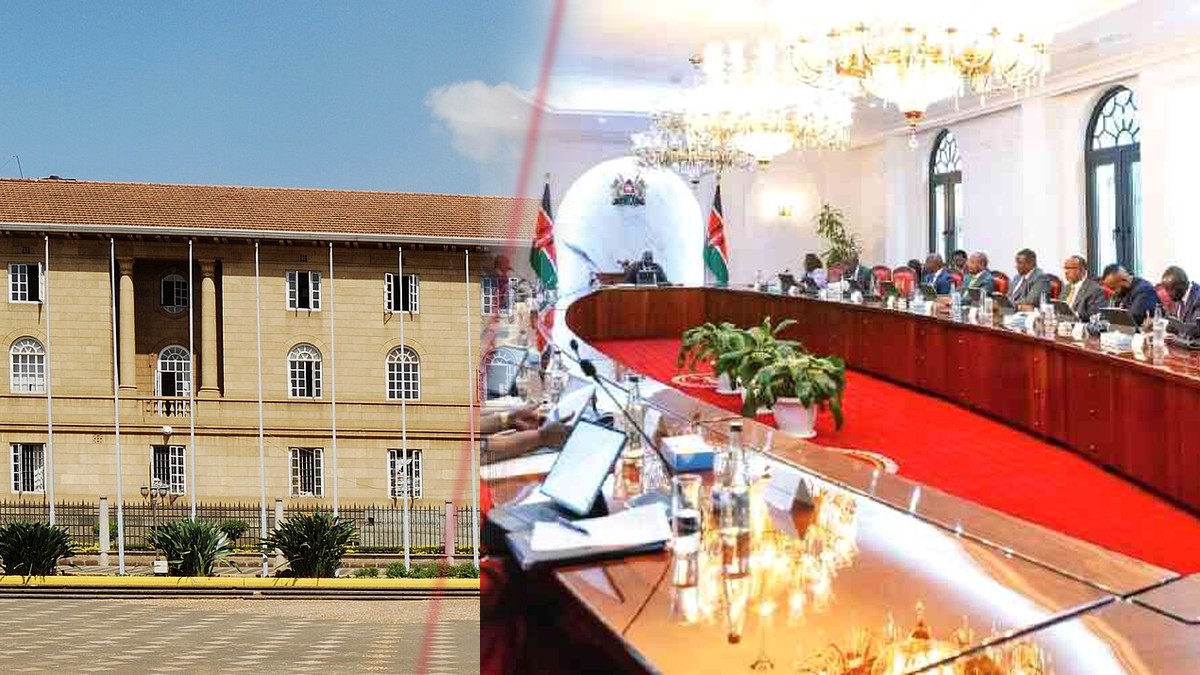
The Court of Appeal on Thursday turned down a government bid to suspend a High Court judgment that ordered President William Ruto to bring his Cabinet into line with the constitutional two-thirds gender rule, leaving the directive in force a day after the deadline to comply ran out.
In the ruling delivered on October 29, the appellate judges declined to stay the orders pending the hearing of the State's appeal. They also directed Attorney General Dorcas Oduor to serve the court papers on the other parties as the case proceeds, according to Kenyans.co.ke and The Kenya Times.
The government had argued that the High Court orders should be put on hold until the appeal is determined. The refusal means the judgment stands while the appeal is heard.
What the High Court ordered
On June 30, a three-judge bench of Justices Eric Ogola, Stephen Githinji and Jairus Ngaah found that the Cabinet breached Article 27(8) of the Constitution, which says not more than two-thirds of members of elective or appointive bodies shall be of the same gender.
The bench counted the Cabinet as the President, the Deputy President, the Attorney General and the Cabinet Secretaries. Of those 25 members, only seven were women against 18 men, about 28 per cent. To meet the threshold, at least nine of the 25 had to be women.
The judges gave the President 120 days to make compliant appointments, which set the deadline at October 28, 2026. While the court upheld the legality of several individual appointments, it said the overall gender make-up fell short.
- Cabinet size counted by the court: 25
- Women: 7 (about 28 per cent)
- Minimum needed to comply: 9 women
- Compliance deadline: October 28, 2026
Deadline passes without changes
The case arose from a petition filed after Ruto dissolved his Cabinet in July 2024 at the height of the anti-Finance Bill protests and later named a new line-up. The National Assembly, through Speaker Moses Wetang'ula, also challenged parts of the judgment on appeal in July.
The Standard reported that the deadline lapsed with no changes to the Cabinet. Legal experts and members of the public have since questioned what they see as the Executive's failure to obey a court order.
In July, speaking at Katiba Day celebrations at the KICC in Nairobi, Ruto suggested that full compliance would take time, comparing the situation to court findings that Parliament also fails the gender test. "That may not be achieved today, as it is a work in progress," he said.
What happens next
With the stay declined, the High Court orders remain binding while the Court of Appeal hears the main appeal. Neither State House nor the Attorney General's office had publicly responded to the ruling by Thursday afternoon, and the reports did not give a date for the hearing of the appeal.
The decision adds to pressure on the Executive over the long-running failure to implement the two-thirds gender principle, which successive Parliaments have also failed to enact into law since the 2010 Constitution took effect.
Photos: Wing via Wikimedia Commons (CC BY-SA 3.0, Supreme Court building, Nairobi); The Standard/PCS (Cabinet meeting). Thumbnail design: HAMASTA MEDIA.




Show the impact of your work.
Impact stories, campaign videos and community engagement for NGOs and programmes.

More in Politics
See all
IEBC seeks digital system to vet 2027 candidates against party registers and voter roll
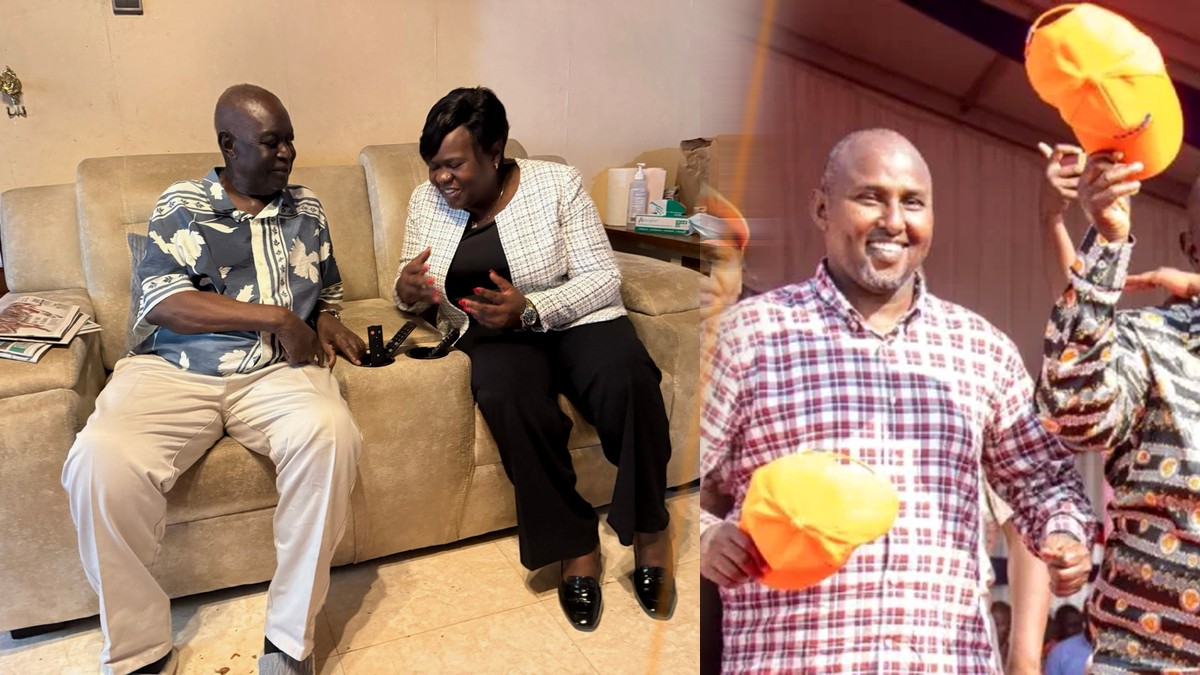
ODM split over written deal with Ruto deepens as Wanga visits recovering Oburu ahead of Saturday's Jacaranda rally

Babu Owino says Ruto personally offered him Education Cabinet job during 2024 Gen Z protests

MPs want one building for constitutional commissions after CRA reveals Sh3.2m monthly rent bill

Ruto pitches Kenya to Russian investors in Moscow, says Sh42.8bn import bill against Sh7bn exports must change

Global Community Remarks
0