
DPP asks Milimani court to send Brian Kiplagat to UK over murder of banker Marianne Kilonzi, ruling set for November 19

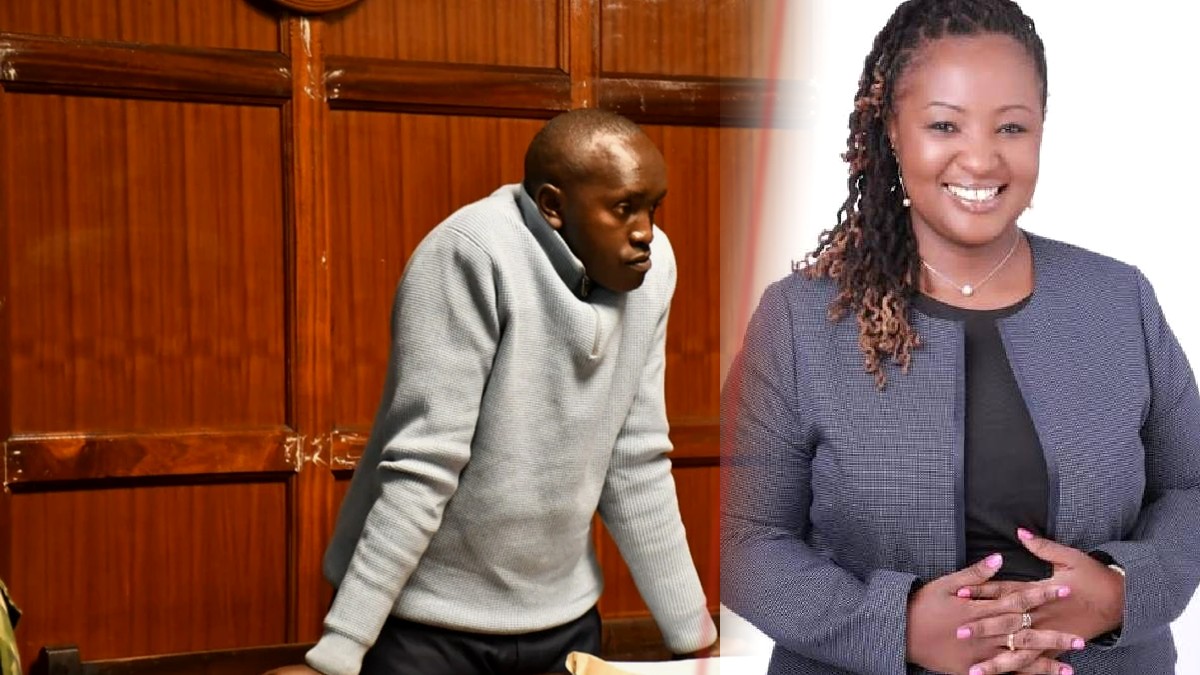
The Office of the Director of Public Prosecutions has asked the Milimani Law Courts in Nairobi to order the extradition of Brian Kiprop Kiplagat to the United Kingdom, where he is wanted over the death of fellow Kenyan Marianne Kilonzi, a banker who lived and worked in London.
Senior Assistant Director of Public Prosecutions Duncan Ondimu, who is leading the State's case, told the court on Thursday that British authorities want Kiplagat to answer to offences allegedly committed in Woolwich, in the London Borough of Greenwich, between January 12 and 28, 2025. The court will mention the matter on November 5 and deliver its ruling on November 19, 2026.
Eight counts from Westminster
According to the extradition papers, Westminster Magistrates' Court issued warrants against Kiplagat covering eight counts:
- Murder and manslaughter
- Two counts of perverting the course of justice, linked to claims that he placed laundry beads on Ms Kilonzi and took her mobile phone from her home
- Four counts of fraud by false representation, over alleged unauthorised transfers from her bank accounts into his and alleged unlawful use of her credit card
The documents state that the two met on WhatsApp and began a relationship in January 2024, and that Kiplagat had moved into Ms Kilonzi's home by September that year. Prosecutors told the court he returned to Kenya after the alleged offences. He has not been convicted of any offence and is presumed innocent.
'Not a trial on the merits'
Kiplagat's defence sought to bring evidence challenging parts of the British request. Mr Ondimu opposed the move, arguing that the extradition hearing was not the forum to decide whether the allegations were true. In the prosecution's view, the Kenyan court only needs to confirm that the legal conditions for surrender are met, including the identity of the person sought and that the offences are not political, leaving the facts to be tested by a court in the country where the crimes allegedly happened.
The prosecution added that Kiplagat's mobile phone is the subject of a separate Mutual Legal Assistance request and forms part of the evidence in the investigation.
The State also assured the court that his constitutional rights are being protected, including access to medical care, and said property not connected to the extradition would be returned to him. Kiplagat asked to be escorted to collect his national identity card, which the court said the investigating officer would first verify.
What happens next
Whichever way the magistrate rules, the decision can be challenged on appeal before any handover to British police. The case has drawn wide attention in Kenya and among Kenyans in the UK, where Ms Kilonzi's death left family and friends demanding answers.
The ruling on whether Kiplagat will be surrendered is expected on November 19.
Photos: Citizen Digital; TV47 Digital. Thumbnail design: HAMASTA MEDIA.


Take your event live to thousands.
Multi-camera live streams, panel discussions and digital broadcasts with professional crews.




More in Crime & Justice
See all
Two weeks left for victims of police brutality to file compensation claims as Mutua panel eyes extension

High Court says Ruto's pledge of affordable housing quotas for teachers and police has no legal effect
DPP orders Yala clinician charged with defiling 14-year-old girl, says sexual offences cannot be diverted

Kisumu residents demand police shake-up after teacher killed in Ahero robbery

Bungoma family seeks answers after missing daughter's body is exhumed from bedroom in Siaya double murder probe
Police reservist shot dead in Loiyangalani ambush as insecurity persists in Marsabit
Global Community Remarks
0