
Inflation climbs to 7.3% in October, highest in over three years, as transport costs jump 17%
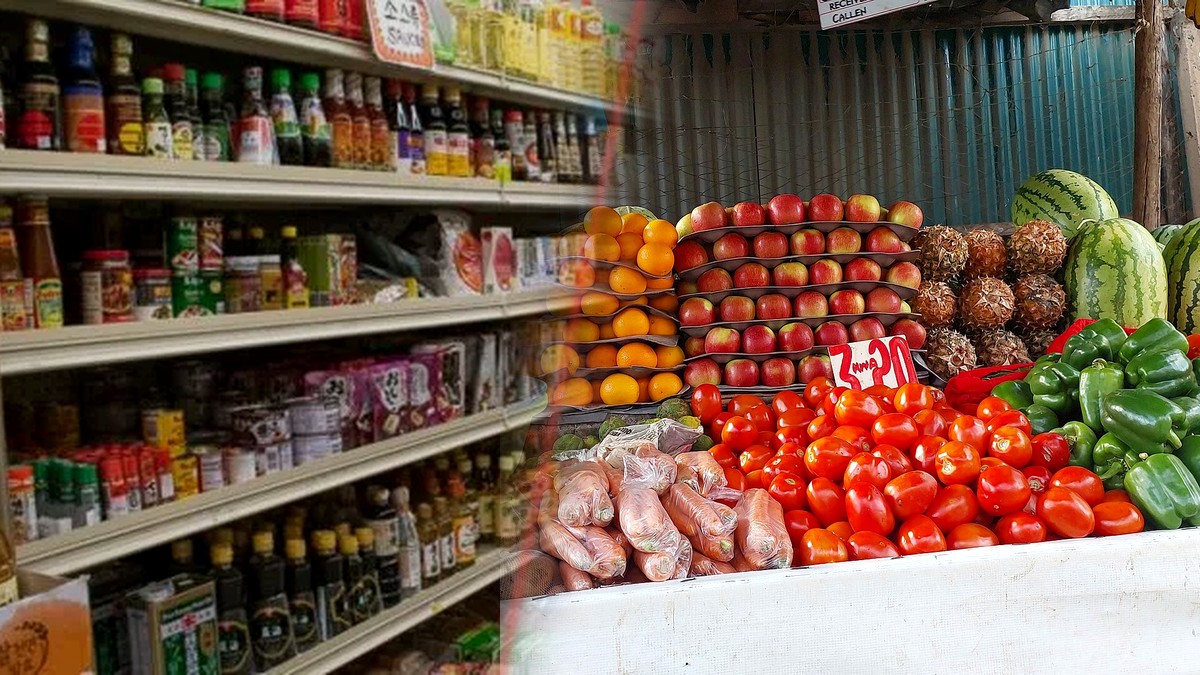
Kenyans are paying noticeably more to travel, eat and cook after official data released on Friday showed annual inflation rising to 7.3 per cent in October, up from 6.8 per cent in September and the highest reading in more than three years.
The Kenya National Bureau of Statistics (KNBS) said the increase was driven mainly by transport, food and household energy, three categories that together account for more than 57 per cent of what a typical household spends. The October figure now sits just 0.2 percentage points below the 7.5 per cent upper limit of the government's target band of 2.5 to 7.5 per cent.
Fuel and fares lead the climb
Transport costs rose 17.1 per cent compared with October last year, the steepest increase of any major category. KNBS average price data show a litre of petrol rising from Sh214.95 in September to Sh227.85 in October, while diesel moved from Sh219.04 to Sh228.77. Kerosene, still used for cooking and lighting in many low-income homes, rose sharply from Sh192.56 to Sh220.88 a litre, an increase of about 14.7 per cent in a single month.
The pump price increases quickly filtered into fares. The bureau's sample showed the matatu fare on the Westlands-Kangemi route in Nairobi going up from Sh40 to Sh50.
Bloomberg reported that the outcome was above the 7 per cent median forecast of economists it surveyed and the Central Bank of Kenya's own projection of 6.9 per cent, linking the jump to record fuel prices.
Food basket gets dearer
Food and non-alcoholic beverages rose 10.2 per cent year on year. Among the items that cost more in October than in September, according to KNBS:
- A 500ml packet of milk rose from Sh61.23 to Sh64.13
- Fresh unpacketed milk went from Sh77.54 to Sh80.58 a litre
- Two kilos of wheat flour climbed from Sh181.11 to Sh184.88
- Irish potatoes rose from Sh121.98 to Sh125.06 a kilo, and cabbages from Sh79.16 to Sh82.38
- Beans went from Sh182.76 to Sh185.75 a kilo, and beef with bones from Sh782.68 to Sh789.29
There was modest relief on sugar, which eased from Sh165.79 to Sh163.84 a kilo, and on electricity, where 200 units dipped slightly to Sh5,529.66. Housing, water, electricity, gas and other fuels rose 3.7 per cent over the year.
Pressure on the Central Bank
Core inflation, which strips out volatile food and energy prices, edged up to 4.3 per cent from 4.0 per cent, while non-core inflation rose to 15.1 per cent from 14.0 per cent, showing that fuel and food remain the main source of pressure.
The steady climb this year, from 4.3 per cent in February to 7.3 per cent now, puts the spotlight on the Central Bank of Kenya, which held its benchmark rate at 8.75 per cent at its October 7 meeting. Bloomberg noted that the reading raises the prospect of an interest rate increase, which would make loans more expensive for households and businesses.
The next fuel price review by the Energy and Petroleum Regulatory Authority, due on November 14, will be closely watched, as further pump price increases would feed directly into transport and food costs.
Photos: Kenyans.co.ke (supermarket shelf); Cmwaura via Wikimedia Commons (CC BY-SA 4.0). Thumbnail design: HAMASTA MEDIA.

Tell your story on screen.
Commercials, documentaries, interviews and social video, from script to final cut.





More in Business
See all
Roads ministry still owes contractors Sh98bn despite Sh208.6bn securitisation payouts, Chirchir tells MPs

Standard Group names former KBC boss Naim Bilal Yaseen CEO weeks after Chaacha Mwita's exit

Avocado sea exports halted from today as AFA survey finds supplies too low for shipment

CRA proposes Sh457bn for counties in 2027/28 as governors say late cash is pushing them into overdrafts

Konza begins textile production as first EPZ factories target up to 10,000 jobs

Global Community Remarks
0