
Empty Polling Stations, Silent Questions: Low Turnout Clouds UDA Grassroots Elections in Isiolo
.jpeg)
What was expected to be a vibrant exercise in democracy instead unfolded under a cloud of silence in Isiolo County, where low voter turnout marked the ongoing United Democratic Alliance grassroots elections.
Across several polling centres, the picture was striking—empty queues, idle officials, and deserted stations where only a handful of party members turned up to vote for twenty elective positions meant to shape the party’s local future.
By midday, concern was already mounting. At some centres, election officials reportedly waited for hours with little activity, while questions grew over why the grassroots base appeared absent in a process designed to give them a voice.
For many observers, the low turnout was more than a logistical concern—it was a troubling signal. Was it voter apathy? Poor mobilisation? Or a deeper disconnect between the party and its supporters on the ground?
What should have been a celebration of participation instead exposed uncomfortable questions about engagement, enthusiasm, and confidence in party structures.
Grassroots elections are often described as the foundation of political strength. But in Isiolo, that foundation appeared unusually quiet.
As the exercise continued, the empty polling stations seemed to tell their own story—one of missed momentum, fading excitement, and a democratic process struggling to draw in the very people it was meant to empower.
For a party keen on consolidating support ahead of future political battles, the silence in Isiolo may speak louder than the results themselves.


Take your event live to thousands.
Multi-camera live streams, panel discussions and digital broadcasts with professional crews.




More in Politics
See all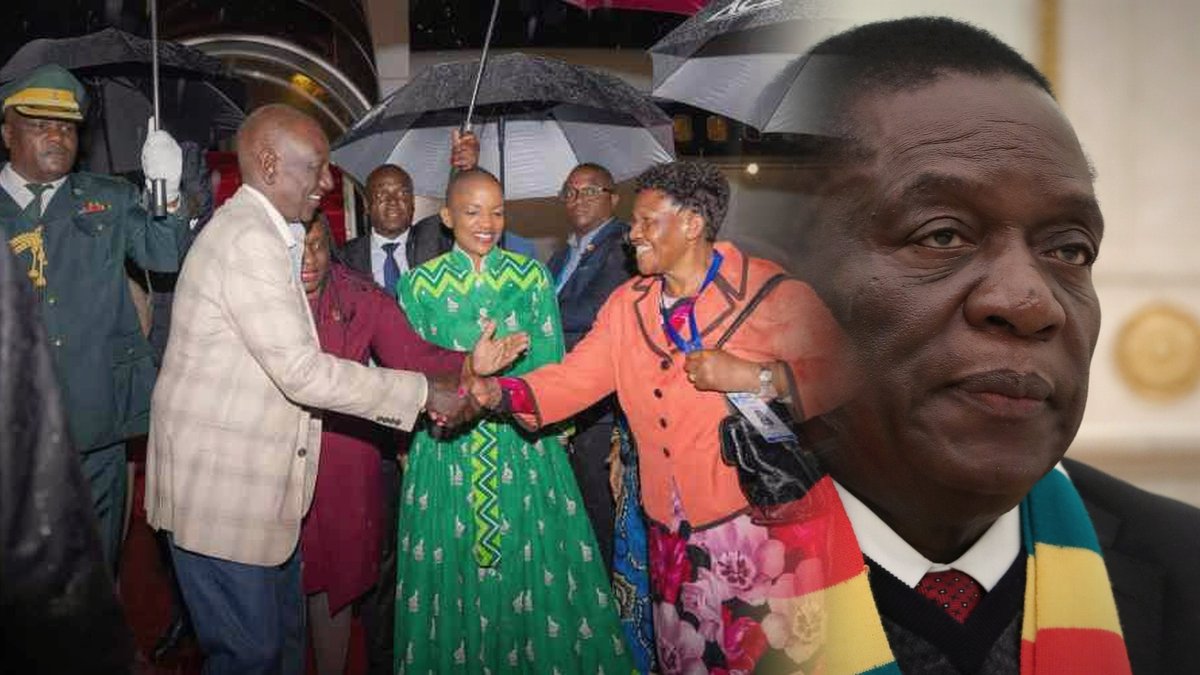
Ruto lands in Harare to hand over COMESA chairmanship to Mnangagwa at 25th summit
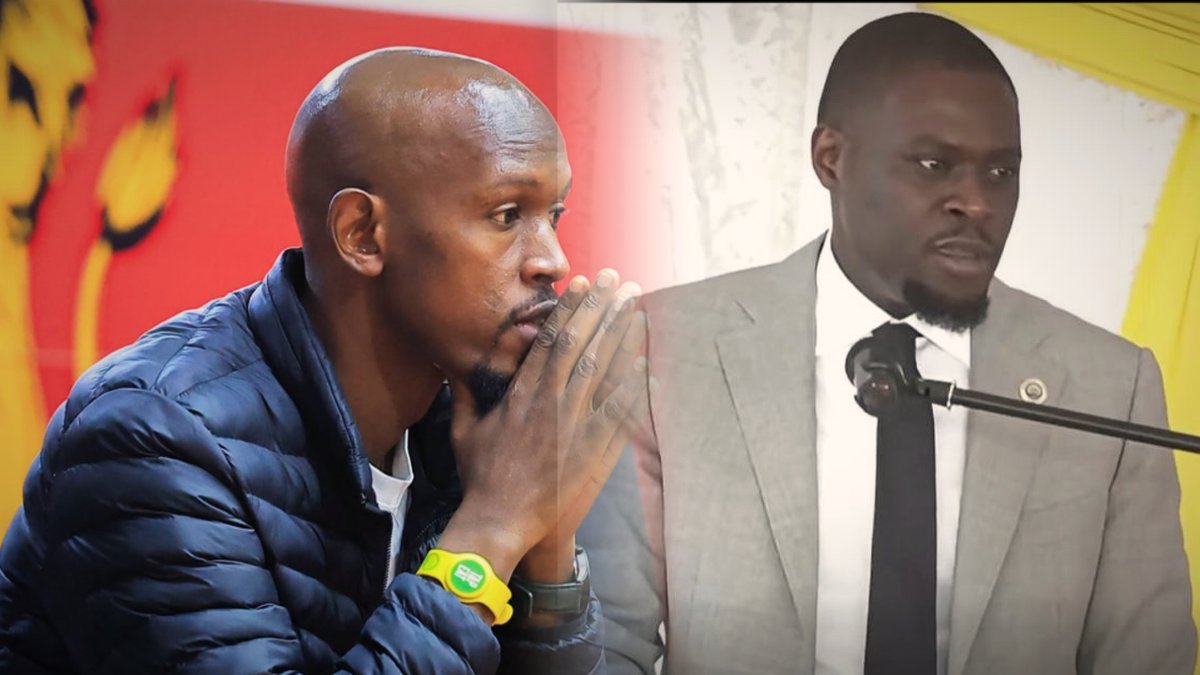
"My only mistake was to outshine my master": Mosiria fires back at Sakaja after sacking
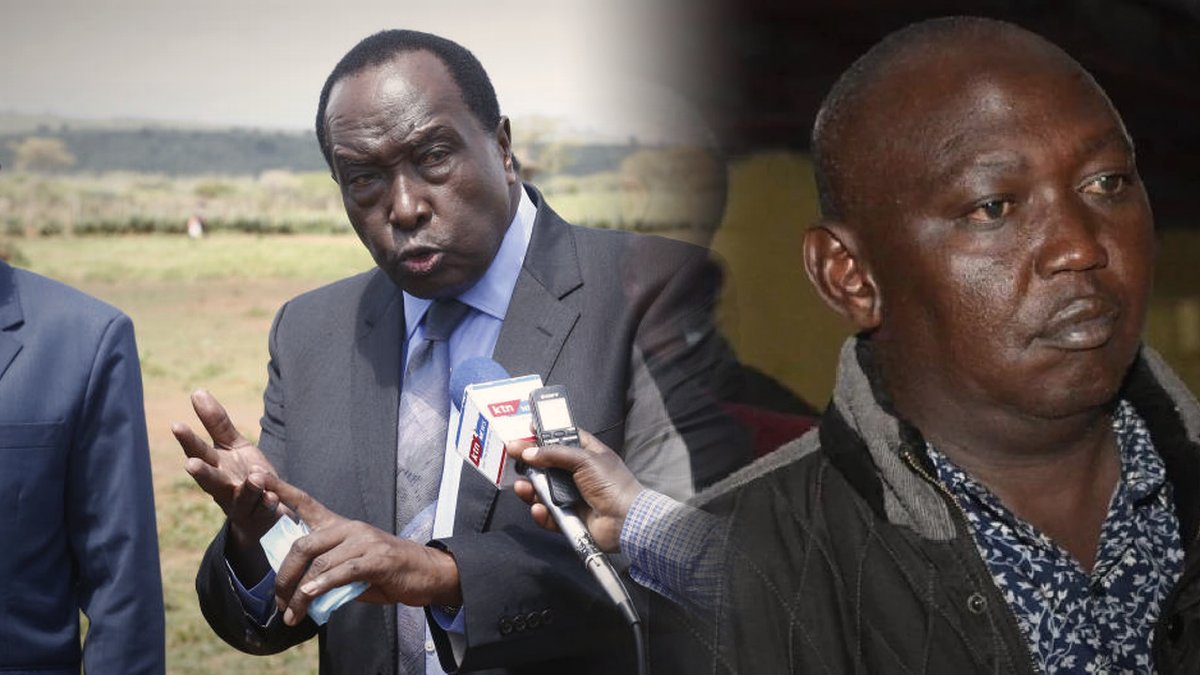
Moi and Komen dynasties line up to take back Rongai seat from UDA's Chebor
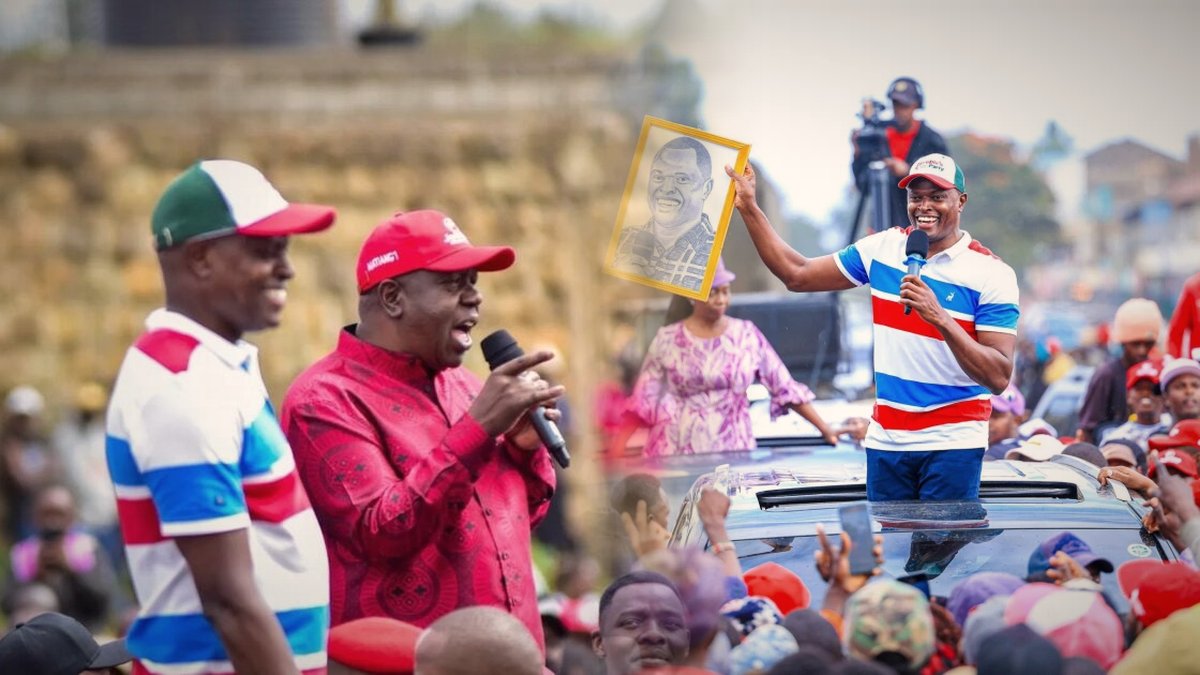
Karua, Nyoro and Matiang'i dismiss Ruto's PAYE relief pledge as 2027 campaign bait
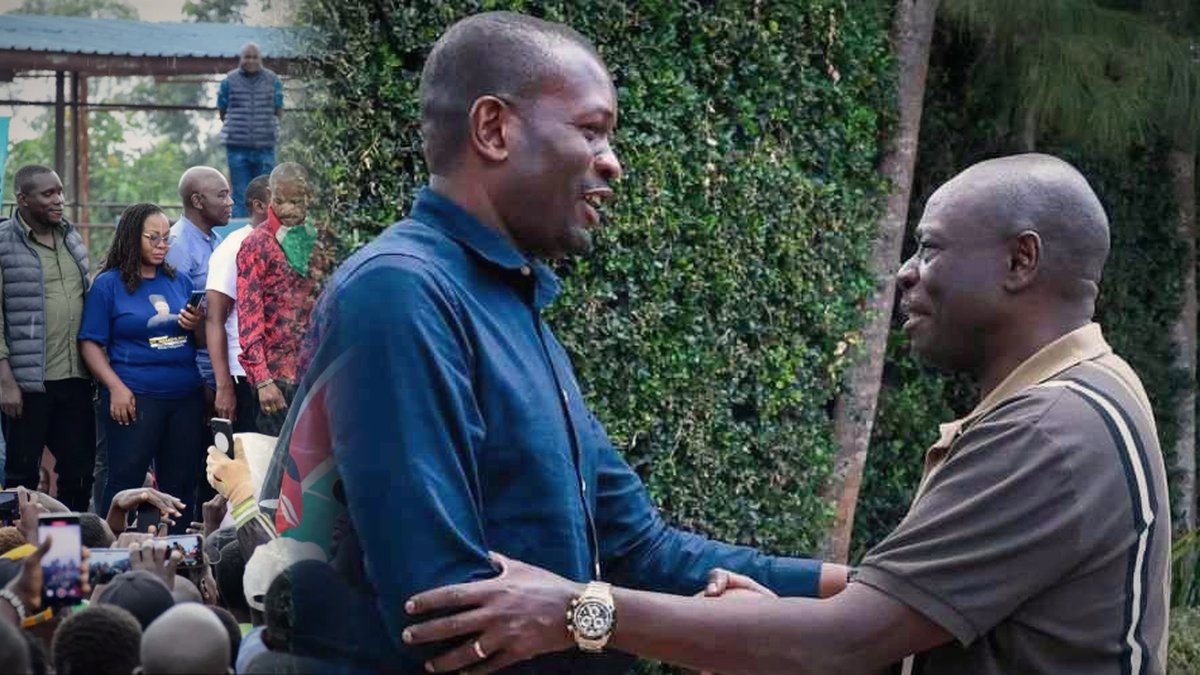
Gachagua and Sifuna to take alliance to the ground with first joint rally in Nyahururu
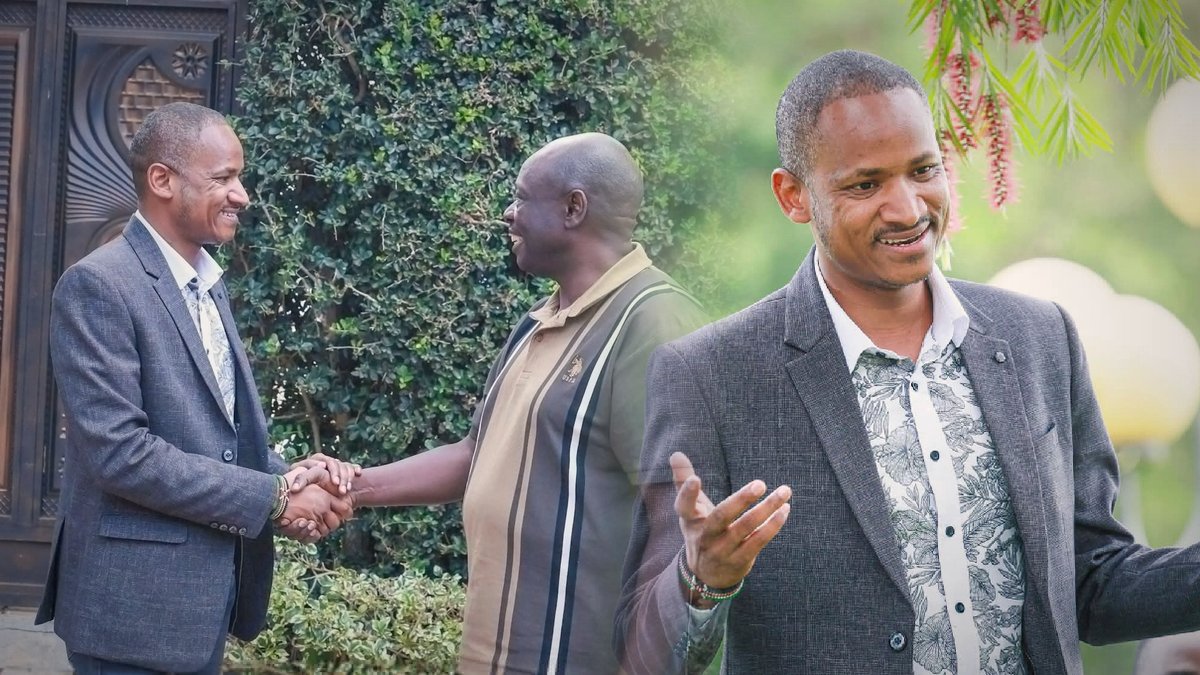
Babu Owino dismisses claims Gachagua told him to quit Nairobi governor race for Senate
Global Community Remarks
0