
Kirinyaga's 29 milk coolers push storage past 70,000 litres as dairy co-ops double members and cut power bills
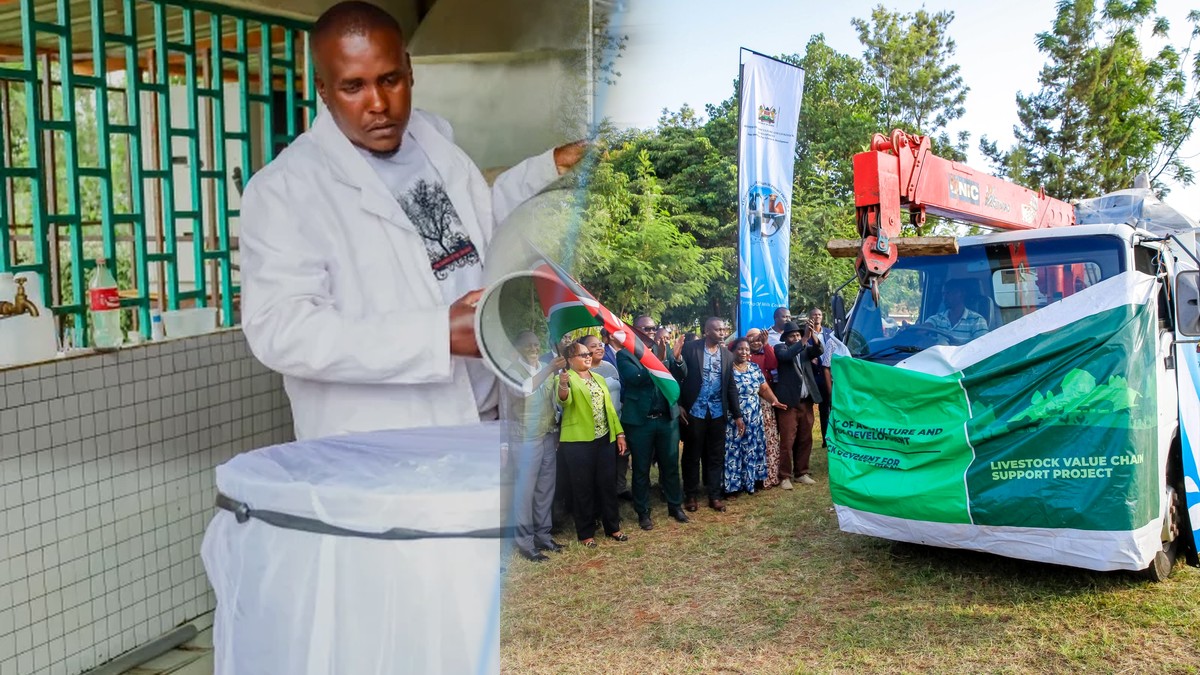
Dairy farmers in Kirinyaga say losses from spoilt milk have fallen sharply since the county government took milk coolers to grassroots cooperatives. Some societies have doubled their membership and cut electricity bills by close to 90 per cent.
Governor Anne Waiguru's administration, working with the national government, has given 29 coolers to dairy cooperatives and farmer groups. That has raised the county's milk cooling capacity to more than 70,000 litres. Cooperatives in the county collect about 123,000 litres of milk a day.
Waiguru said the projects were picked through public participation. The coolers come with backup generators and, in some cases, solar systems. The county says the aim is to cut post-harvest losses, improve milk quality and link farmers to formal markets.
Ngariama triples its intake
At the New Ngariama Farmers' Cooperative Society, the county installed a 10,000-litre cooler and a 100 KVA generator. Since then:
- Membership has risen from about 400 to more than 600 farmers
- Daily collection has grown from 2,000 litres to over 7,000 litres
- Storage capacity now reaches 12,500 litres
- The number of milk collectors has risen from four to 10
Chairperson Phineas Ngari estimated that buying similar equipment on its own would have cost the society more than Sh16 million. He said the generator means "even during power outages, we do not experience losses." The cooperative now targets 1,500 members within two years, with technical support from the county agriculture department.
Solar slashes power bills
The Kirinyaga Dairy Cooperative had outgrown its 3,500-litre cooler. It received a 9,000-litre unit and a solar system. Chairman Kennedy Ngigi said monthly power bills have dropped from between Sh80,000 and Sh100,000 to just under Sh10,000. Membership has grown from about 1,000 to nearly 2,000 farmers. Milk can now be stored safely for three to five days before it is collected.
"We took our request to the Governor and she heard and responded," Ngigi said.
Farmers count the gains
Shem Munene says his daily output has risen from about five litres to more than 40 litres. Anne Kabari now delivers at least 30 litres a day. She says she earns more than Sh40,000 a month, enough to pay rent and her child's university fees.
Anthony Muriuki produces about 22 litres a day and plans to add cows to pass 35 litres. He said farmers now feel "proud of being farmers". Anne Wairimu recalled that farmers once lost more than 1,000 litres in a single incident. She said they now deliver knowing the milk will keep until it is collected.
Dairy is one of the main sources of household income in Kirinyaga, alongside tea, coffee and rice. Devolution placed agriculture largely in the hands of county governments.
Photos: The Star (milk delivery at a Kirinyaga cooler); KBC (county livestock value chain equipment launch). Thumbnail design: HAMASTA MEDIA.



Know what people say about you.
Media monitoring, audience insights and strategic communication for your brand.


More in Business
See all
From tomorrow: Card machine, till and Paybill charges to attract 16% VAT as banks enforce new tax

KRA's rental tax net closes in on over one million landlords as eRITS matches property records with declarations

Sh1.82m claim cut to Sh251,395: High Court ruling puts spotlight on duplum rule for private loans

Shanta Gold's prospecting licence still valid, Mining ministry says after Siaya court ruling, but landowner consent now a must
CBK lines up nearly 300 AI uses, from scraping supermarket prices to reading satellite images, to track Kenya's economy in real time

Global Community Remarks
0