
CBK lines up nearly 300 AI uses, from scraping supermarket prices to reading satellite images, to track Kenya's economy in real time
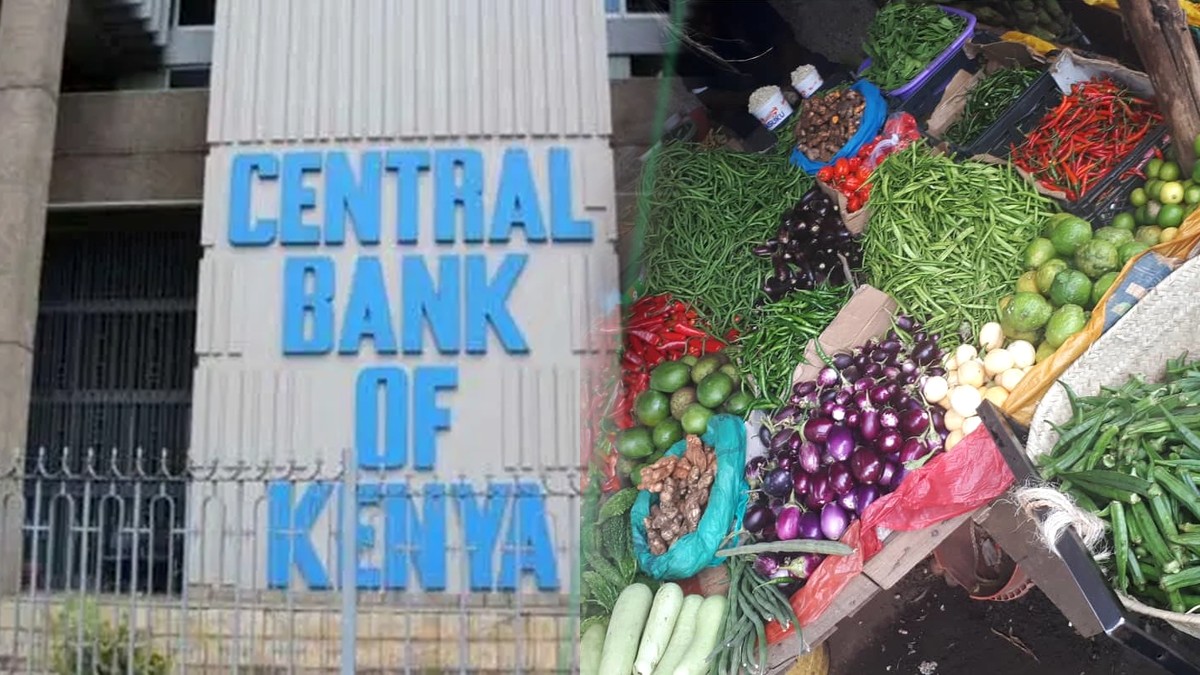
The Central Bank of Kenya (CBK) has identified close to 300 ways artificial intelligence could be used across its operations and is beginning to put some of them to work, including new tools to track prices and economic activity as they change rather than weeks or months later.
CBK Director of Research Prof Robert Mudida said the ideas came from the bank's 14 departments. "So we got almost 300 use cases from the 14 departments. And now what we're doing is we're implementing them," he said, according to The Kenya Times.
Watching prices as they move
The most immediate change concerns inflation, which climbed to 7.3 per cent in October, its highest level in more than three years. Besides its existing surveys of farmers, chief executives and market players, the bank plans to scrape prices from online supermarkets and match products, brands and pack sizes to the roughly 330 items in the Kenya National Bureau of Statistics' Consumer Price Index basket. Large language models would help clean and validate the data.
The aim is to give policymakers a sense of price movements within the month, before KNBS releases official figures.
Filling the GDP gap
Kenya's official growth figures arrive about a quarter late; second-quarter GDP data was only released in early October. To narrow that gap, CBK is exploring so-called nowcasting tools, including:
- Satellite images of night lights to gauge industrial and electricity activity.
- Images of vegetation cover to estimate farm output.
- Generative AI that turns imagery into written economic assessments.
- Mobile payments data, whose value Mudida suggested could be about 2.5 times the size of GDP, as a real-time pulse of spending.
He stressed that the estimates would complement, not replace, official statistics. "We're using it to complement our traditional models," he said.
Machine learning is also being tested to improve forecasts in turbulent periods by learning from past mistakes, such as underestimating the knock-on effects of a shock. Mudida cited the volatility that followed the energy crisis that began in late February as an example.
Humans stay in charge
The bank is also weighing more advanced "agentic" AI for payments and other core functions, but says it will move gradually. Officials are concerned that staff could expose confidential data by pasting it into public AI platforms, and each application is being assessed separately. The Financial Markets Department is already piloting a chatbot.
"AI augments intelligence. So you still need human judgment in a very critical way," Mudida said, adding that the technology carries "great opportunities, but also great dangers".
The push comes as CBK works on its draft Risk Management Guidelines 2026, published in September, which would require institutions using AI to ensure human oversight, transparency, bias testing, security and regular validation of their models.
Photos: Kenyans.co.ke (Central Bank of Kenya building); Mercy Agada via Wikimedia Commons (Nairobi market, CC BY-SA 4.0). Thumbnail design: HAMASTA MEDIA.



Know what people say about you.
Media monitoring, audience insights and strategic communication for your brand.


More in Business
See all
From tomorrow: Card machine, till and Paybill charges to attract 16% VAT as banks enforce new tax

KRA's rental tax net closes in on over one million landlords as eRITS matches property records with declarations

Sh1.82m claim cut to Sh251,395: High Court ruling puts spotlight on duplum rule for private loans
Shanta Gold's prospecting licence still valid, Mining ministry says after Siaya court ruling, but landowner consent now a must

Two Chinese firms quit Mrima Hill rare earths race as Joho says winner will be named within three weeks
Global Community Remarks
0