
Sh10.4bn plan targets 21 counties and 200 hospitals to prevent 46,000 maternal and newborn deaths by 2030
Kenya has moved to implement a five-year, Sh10.4 billion ($80 million) investment plan aimed at preventing an estimated 46,494 maternal and newborn deaths and stillbirths by 2030.
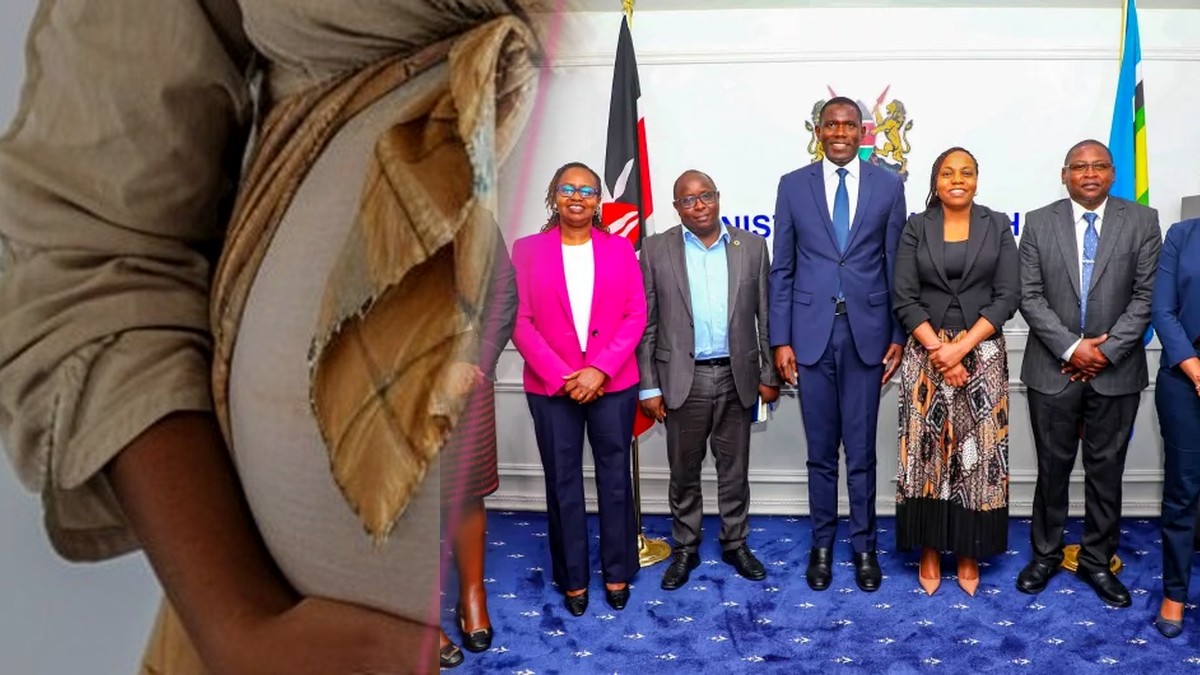
The plan, co-designed by the government and the Beginnings Fund, will target 21 high-burden counties and is expected to reach 5.9 million mothers and newborns. Medical Services Principal Secretary Dr Ouma Oluga met a Beginnings Fund team led by its Chief Executive Alice Kangethe at Afya House in Nairobi on Thursday to agree on how the programme will be rolled out.
Where the money will go
The plan focuses on 200 priority health facilities where most births and complications are handled:
- 20 Level 5 hospitals
- 136 Level 4 hospitals
- 44 high-volume health centres
According to the Ministry of Health, the investment will strengthen emergency obstetric and newborn care and improve access to essential commodities and medical technologies. It will also fund training for health workers, including specialised skills in maternal and newborn care, stronger referral systems, better access to blood and upgrades to maternity and newborn units.
Maternal and newborn health data from the facilities will be integrated into the TaifaCare digital system so that progress can be monitored and those responsible held to account.
How it will be run
The ministry and the Fund will set up joint governance structures, with Dr Oluga co-chairing the steering committee. Funding will be tied to performance, with defined responsibilities and measurable milestones. Officials from the ministry's family health directorate, Dr David Gathara and Dr Gladwel Gatheca, also attended the meeting to discuss coordination.
County governments, which run most of the targeted facilities under devolution, will be involved so that interventions match local priorities. The partners also plan to increase domestic financing gradually so that the gains are sustained after the five years end. The ministry did not publish the list of the 21 counties.
Why it matters
The plan complements the government's Reproductive, Maternal, Newborn, Child and Adolescent Health Investment Case and the Every Woman Every Newborn Everywhere Acceleration Plan.
Kenya has made progress in getting more women to deliver in health facilities, but many mothers and babies still die from preventable causes such as bleeding after birth, high blood pressure, infections and newborn complications, often because of delayed referrals, a lack of blood or shortages of skilled staff and equipment. Health experts say concentrating resources on the busiest hospitals, where emergencies end up, offers one of the fastest ways to save lives.
Photos: The Eastleigh Voice; The Star (handout). Thumbnail design: HAMASTA MEDIA.

Tell your story on screen.
Commercials, documentaries, interviews and social video, from script to final cut.





More in Health
See all
Kenya–US health deal: PS Oluga calls for shared ownership as framework is finalised
Mbagathi Hospital expands diabetes clinic to five days a week
Congo's Ebola outbreak still out of control six months on, with over 11,000 cases
435,700 Kenyans have diabetes and don't know it: Doctors push free screening as survey finds only 7 in 100 at-risk adults think it could happen to them
Eight infected in Kenya, none in Nigeria: Pathologist Ahmed Kalebi wants answers on why Ebola spread from one patient here, including to four health workers
Global Community Remarks
0