
'Support, not isolation': Kenya protests Saudi Ebola ban, says outbreak is confined to one cluster with no new case since October 19

Kenya has hit back at Saudi Arabia over its sweeping Ebola-related travel restrictions, with Health Cabinet Secretary Aden Duale on Saturday describing the measures as excessive and out of step with the country's actual disease situation, a day after the Ministry of Foreign and Diaspora Affairs lodged a formal protest with Riyadh.
The Kingdom on Friday suspended travel by its citizens to Kenya, stopped issuing visas of all categories to Kenyans and barred entry to anyone who had been in Kenya within the previous 21 days, including travellers transiting through third countries. Saudi authorities said the decision followed an assessment by their public health agencies.
'Our index case was imported'
In a statement issued on Saturday, Duale said the outbreak had been contained within a single cluster linked to an imported index case. "We have NOT had any transmission of the disease outside this cluster," the CS said, adding that no new infection had been recorded since October 19.
According to the ministry, all 135 contacts of the index case were identified and traced, with 118 placed under quarantine. The confirmed cases, all linked to the first patient, include health workers and close family members. Two people, among them the index case, have died.
- Seven patients remain under care and are said to be responding well.
- Five of them have returned a first negative test and are due for a second test on Monday, November 2.
- If cleared, they are expected to be discharged on Tuesday, November 3, together with 46 quarantined contacts who have shown no symptoms.
- Another 20 contacts had already completed quarantine and gone home.
"Kenya has demonstrated leadership, Kenya has demonstrated transparency," Duale said, urging partners to offer "support and collaboration" instead of isolating the country.
Diplomatic note and the WHO rules
In a diplomatic note dated October 30, reported by The Star and Kenyans.co.ke, the Foreign Affairs ministry called the Saudi measures "disproportionate and not supported by scientific health evidence" and described the 21-day entry bar as "a blanket, punitive measure".
Nairobi wants Riyadh to lift the restrictions, to submit its scientific justification to the World Health Organization within 48 hours as required under the International Health Regulations (2005), and to review the measures within three months. Kenya has also offered a detailed technical briefing to the Saudi Public Health Authority.
The ministry cited WHO's own advice against travel and trade restrictions linked to the outbreak and its assessment that the risk outside the DR Congo and its immediate neighbours remains low. If the restrictions are not backed by science, Kenya says it will raise the matter with the Africa Centres for Disease Control and Prevention alongside other affected African states.
Who is hurt
The ministry said the ban would hurt Kenyan workers, pilgrims, students, traders and the tourism sector. Saudi Arabia is one of the leading destinations for Kenyans seeking jobs abroad, many of them in domestic work, and recruitment agencies had been processing departures until Friday's announcement. The government said it would keep engaging Saudi officials to have the measures reviewed.
Kenya will only be declared Ebola-free after 42 consecutive days without a new case, counted from the day the last patient tests negative twice.
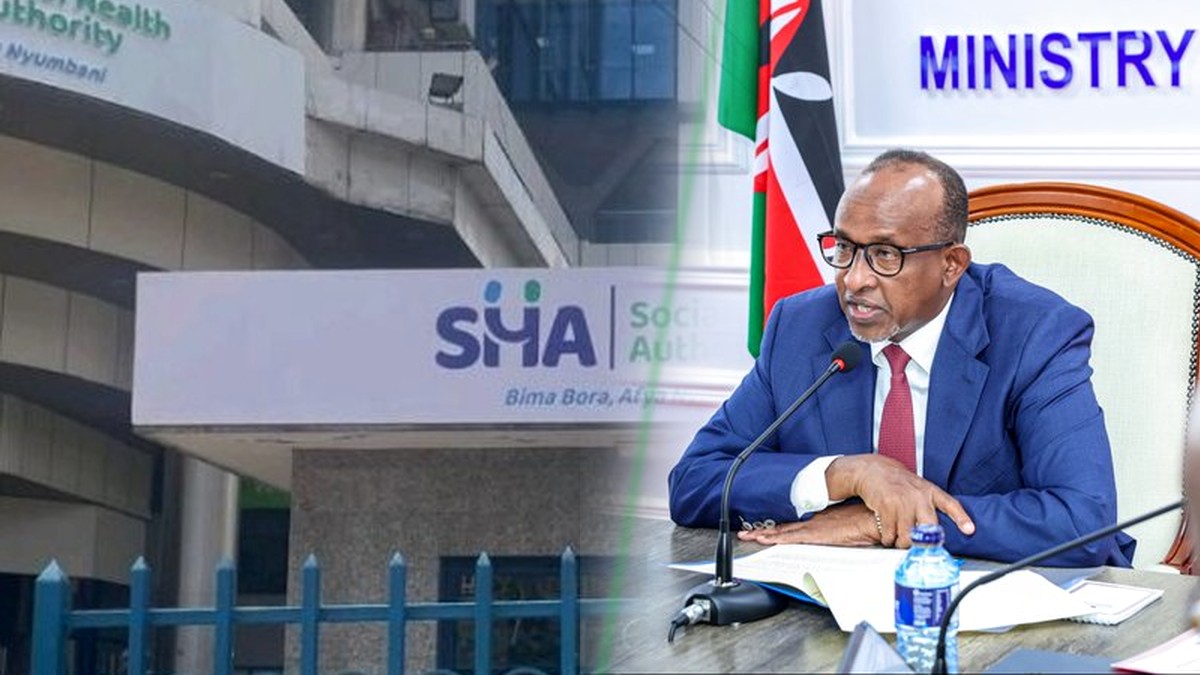
Photos: The Star (Health CS Aden Duale, file); Kenyans.co.ke (Kenya Embassy, Riyadh). Thumbnail design: HAMASTA MEDIA.


Take your event live to thousands.
Multi-camera live streams, panel discussions and digital broadcasts with professional crews.




More in Health
See all
Veteran Nation correspondent Kitavi Mutua dies in ICU a week after snakebite at his Kitui home

Sh10.4bn plan targets 21 counties and 200 hospitals to prevent 46,000 maternal and newborn deaths by 2030

KNH gets three refurbished orthopaedic wards and 136 new beds in Sh130m Adopt-a-Ward push

Kirinyaga's 140-bed Kianyaga Level 4 hospital complete, Waiguru to open it before year-end
SHA provider portal to shut on November 30 as Duale gives lagging hospitals one final month to switch systems

Global Community Remarks
0