
From today: KRA to block cargo without local digital marine insurance as long-delayed import rule kicks in

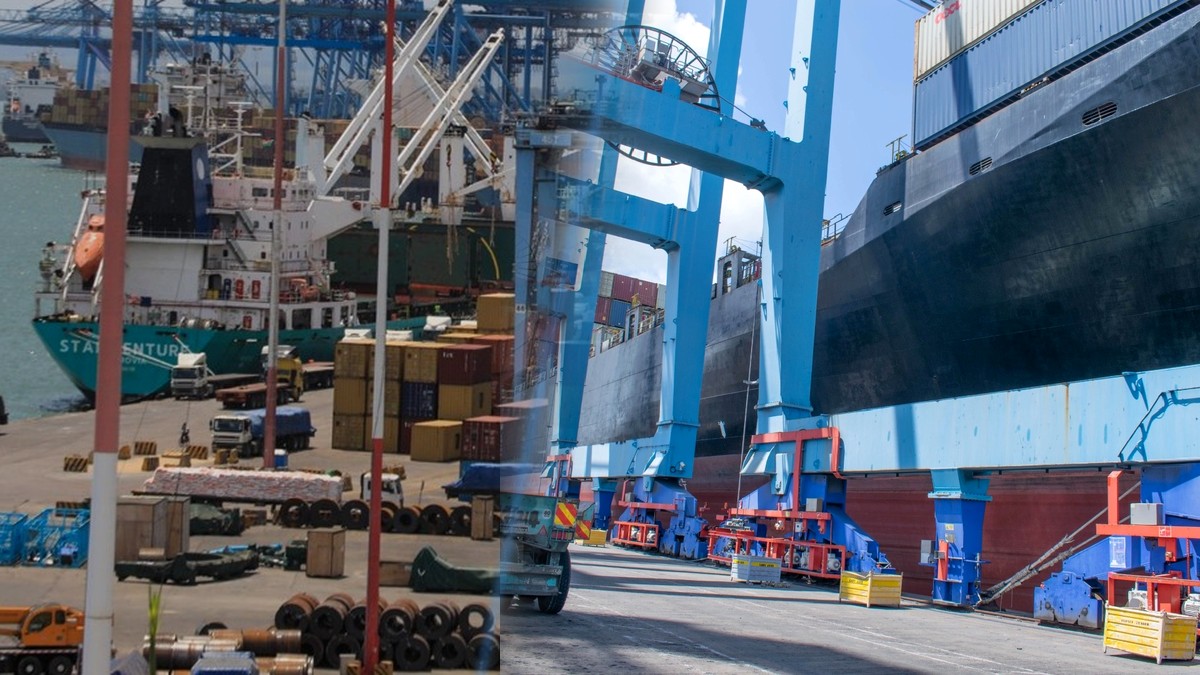
Importers bringing goods into Kenya from today, Sunday 1 November 2026, must show a digital marine cargo insurance certificate from a locally licensed insurer or have their consignments blocked at customs, as the Kenya Revenue Authority (KRA) begins enforcing a rule that has been delayed several times over the past two years.
In a public notice dated 22 October, KRA said every consignment entering the country must be covered by a marine cargo insurance policy issued by an insurer licensed by the Insurance Regulatory Authority (IRA). The taxman warned that "consignments failing to meet these requirements will be blocked from clearance."
What importers must now do
Under the new process, the insurance step comes before paperwork with customs, not after. Importers and their clearing agents are required to:
- Buy marine cargo cover from an IRA-licensed Kenyan insurer.
- Process the certificate through the Digital Marine Cargo Insurance (MCI) System.
- Ensure the certificate is transmitted to KRA's Integrated Customs Management System (iCMS) before lodging the customs declaration.
The digital platform was built as a joint project of the National Treasury, KRA, IRA and Safaricom and is plugged directly into iCMS. Under an IRA directive issued in May, certificates can be requested through insurers' portals or other platforms linked to the regulator's system, with payment made through eCitizen.
A rule nine years in the making
The requirement is not new. Section 16A of the Marine Insurance Act, introduced through the Finance Act 2017, already says goods imported into Kenya should be insured with locally licensed insurers. In practice, many importers continued to buy cover abroad, often arranged by overseas suppliers as part of the shipping price.
IRA and KRA first announced strict enforcement from 14 February 2025, but the push lost steam after technical problems hit the digital platform. The regulator later set 1 July 2026 as the start of digital enforcement before KRA's latest notice set the hard deadline for today.
Industry estimates put the value of marine insurance business Kenya loses to foreign underwriters at more than Sh70 billion a year. Supporters of the rule say keeping those premiums at home will strengthen local insurers and give customs a verified record of every cargo coming in.
Concerns at the port
Not everyone is convinced. Some industry players have questioned whether local insurers have the financial muscle and expertise to underwrite high-value cargo, while analysts have warned that any glitch on the new platform could leave goods already at the port waiting for clearance.
Importers whose suppliers arrange cover overseas, typically under cost, insurance and freight (CIF) contracts, may also need to review those deals to avoid paying for insurance twice. Clearing agents, who handle most customs paperwork, are expected to carry much of the practical burden in the first weeks.
The law allows the Commissioner to grant exemptions in some cases. Importers seeking guidance have been directed to the IRA website.
Photos: Eastleigh Voice; Techweez. Thumbnail design: HAMASTA MEDIA.

Tell your story on screen.
Commercials, documentaries, interviews and social video, from script to final cut.





More in Business
See all
Avocado sea exports shut as AFA cites low harvest; oil processors face Monday deadline to verify stocks

Inflation jumps to 7.3pc, highest in over three years, as fuel, fares and food push up cost of living

KRA plans to recover unpaid taxes from the Sh175 billion government owes suppliers in pending bills

From tomorrow: Card machine, till and Paybill charges to attract 16% VAT as banks enforce new tax

KRA's rental tax net closes in on over one million landlords as eRITS matches property records with declarations

Sh1.82m claim cut to Sh251,395: High Court ruling puts spotlight on duplum rule for private loans
Global Community Remarks
0