
Avocado sea exports shut as AFA cites low harvest; oil processors face Monday deadline to verify stocks

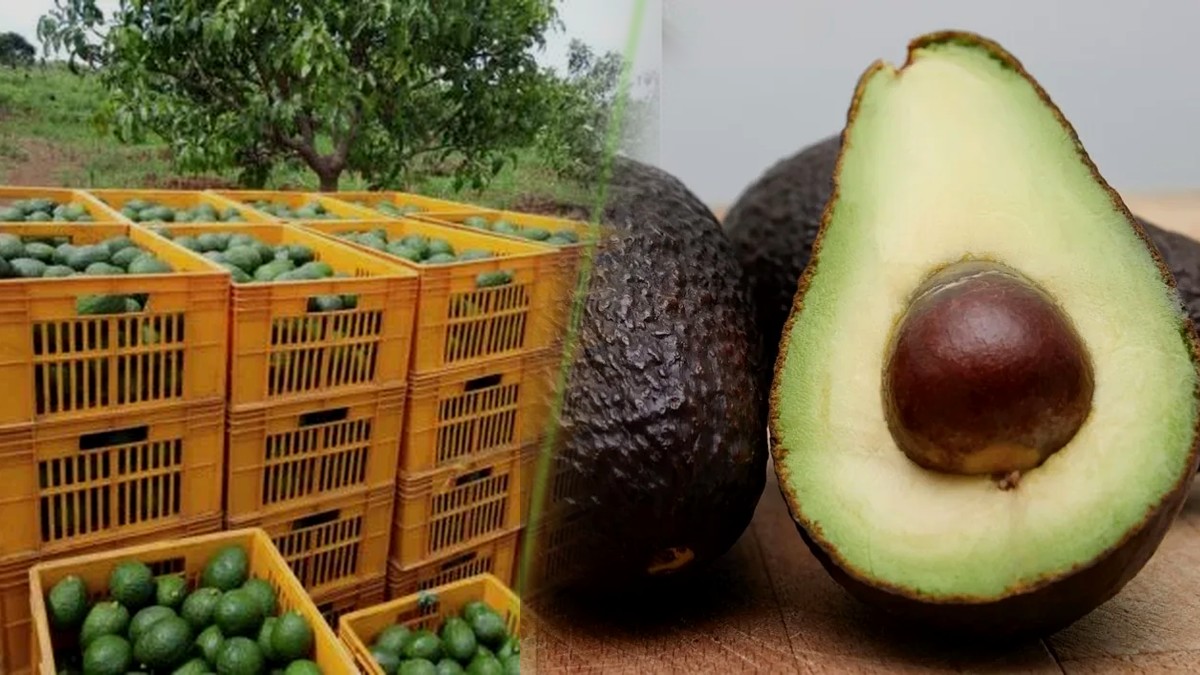
Kenya has stopped exporting avocados by sea after the Agriculture and Food Authority (AFA) found that production in major growing areas had fallen too low to support bulk shipments, a move that leaves air freight as the only export route for the country's top fruit until further notice.
The closure took effect on Friday, 30 October, under a notice signed by AFA Director General Calistus Efukho. It covers the four main export varieties: Hass, Fuerte, Pinkerton and Jumbo.
Why the season was closed
AFA said a countrywide survey of major avocado zones found output too low for sea shipments, which require large volumes of mature fruit. Closures of this kind are also meant to stop traders from harvesting and shipping immature fruit, which damages Kenya's reputation in markets such as Europe and the Middle East.
The authority did not give an end date, saying its Horticultural Crops Directorate will keep monitoring maturity and issue further guidance. Last season, a similar closure began in October 2025 and ships did not carry Kenyan avocados again until April 2026.
Rules for exporters and processors
The notice sets out several conditions:
- Air exports remain allowed, but every consignment must be inspected by the Horticultural Crops Directorate and carry full traceability details.
- The harvesting season is also closed for avocado oil processors. Those holding oil stocks meant for export must have them verified by Monday, 2 November.
- Importing avocados for oil processing is banned during the closure, to stop traders passing off immature local fruit as imported.
- Mango exporters must not mix avocados in sea shipments. Doing so breaches the Horticultural Crops Regulations, 2020, and permit applications must cover mango-only consignments.
Exporters or processors who break the rules risk losing their licences, and no permits will be issued for consignments started in breach of the directive.
What it means for farmers
Sea freight is far cheaper than air, so the closure effectively shrinks the export market for the coming months. Farmers who sell to exporters can expect fewer buyers at the farm gate, while some fruit may be diverted to the local market. Business Daily reported that supplies had run low ahead of the decision.
Avocado has grown into one of Kenya's most valuable horticultural exports, and the authority has repeatedly warned against harvesting immature fruit. Growers have been urged to stick to licensed buyers and wait for AFA guidance before the season reopens.
Photos: Kenyans.co.ke; Eastleigh Voice. Thumbnail design: HAMASTA MEDIA.


Grow an audience that listens.
Social media management, digital campaigns and online storytelling that converts.



More in Business
See all
Inflation jumps to 7.3pc, highest in over three years, as fuel, fares and food push up cost of living

KRA plans to recover unpaid taxes from the Sh175 billion government owes suppliers in pending bills
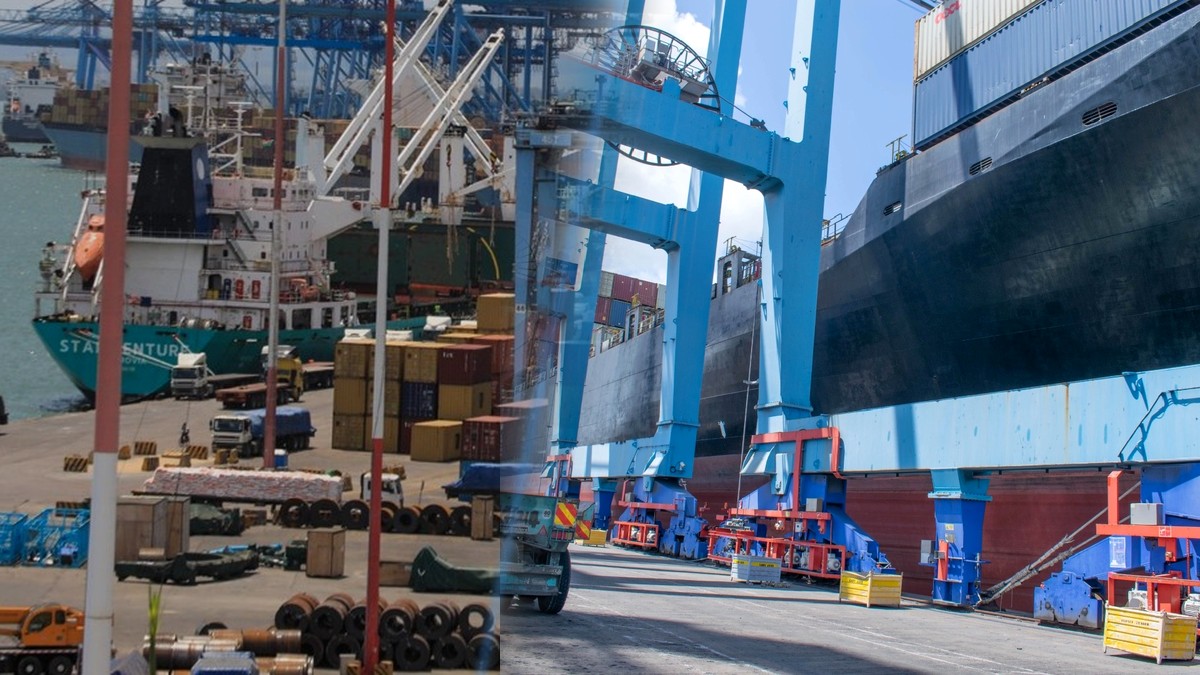
From today: KRA to block cargo without local digital marine insurance as long-delayed import rule kicks in

From tomorrow: Card machine, till and Paybill charges to attract 16% VAT as banks enforce new tax

KRA's rental tax net closes in on over one million landlords as eRITS matches property records with declarations

Sh1.82m claim cut to Sh251,395: High Court ruling puts spotlight on duplum rule for private loans
Global Community Remarks
0