
Hot days, wet evenings: Met says over 40 counties will get above-average rain in November, but Nairobi and the north will also be warmer than usual


Kenyans should prepare for an unusual mix of heavy rain and above-normal heat this month, according to the Kenya Meteorological Department's outlook for November 2026.
The forecast, released on Friday and widely circulated on Sunday, says more than 40 counties are likely to record above-average rainfall, among them Nairobi, Mombasa, Kisumu, Nakuru, Machakos, Makueni, Kiambu, Meru, Garissa and Mandera. Parts of Turkana, West Pokot, Samburu, Baringo and Marsabit are expected to get near-average to above-average rain.
The outlook falls in the middle of the October to December short rains, which the department had earlier projected would be wetter than normal over most of the country.
Warmer than normal despite the rain
Rain will not mean cool weather. The Met says temperatures will remain above average across much of the country.
- Nairobi, Kiambu and Murang'a are expected to see mean temperatures of between 20°C and 30°C, with neighbouring highland counties such as Nyeri, Kirinyaga, Meru and Embu experiencing similar conditions.
- Daytime highs could reach 38°C in parts of Turkana, Samburu, Marsabit, Mandera, Wajir, Garissa and Isiolo.
- Kajiado, Machakos, Kitui, Makueni, Taita Taveta and inland Tana River could see temperatures of up to 35°C.
- Coastal counties, including Mombasa, Kilifi, Lamu and Kwale, are expected to record maximum temperatures of 25°C to 35°C, with warm nights of above 20°C.
- The coolest conditions are expected over the highlands, with mean temperatures of 15°C to 20°C, while night-time lows across the country will range from 4°C to 20°C.
Forecasters link the warmth partly to the southward movement of the rain-bearing Intertropical Convergence Zone, as well as the higher humidity and cloud cover that come with the rains.
Floods, landslides and disease
The department warned that the enhanced rainfall "may increase the risk of weather-related hazards," including flash floods, riverine flooding and landslides, particularly in flood-prone areas, low-lying coastal zones, poorly drained towns and highland slopes.
It said rural access roads could become impassable, cutting off people, goods and services, while overwhelmed drainage could cause traffic jams in urban centres. Farming activities may also be disrupted.
The Met also flagged health risks: stagnant water could boost mosquito breeding and malaria transmission, while flooding could contaminate water sources and raise the risk of cholera, typhoid and diarrhoeal diseases.
An already wet start
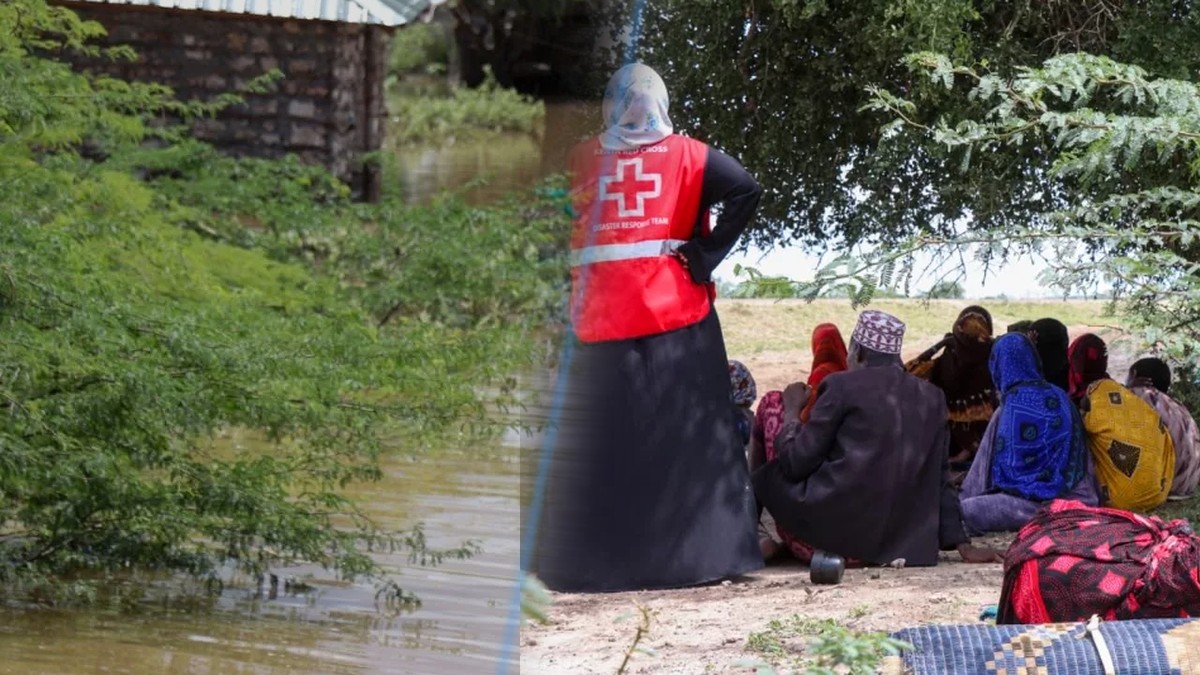
The forecast follows a rainy end to October. A girl was swept away by floods in Kajiado and a hailstorm flattened tea farms in Kericho last week, while flooding in the Tana River delta has displaced families. In Mombasa, residents and community groups have stepped up preparations, clearing drains and identifying safe ground ahead of the heavier rains.
Kenyans in flood-prone areas are advised to avoid crossing swollen rivers, keep away from landslide-prone slopes and follow daily forecasts and county advisories.
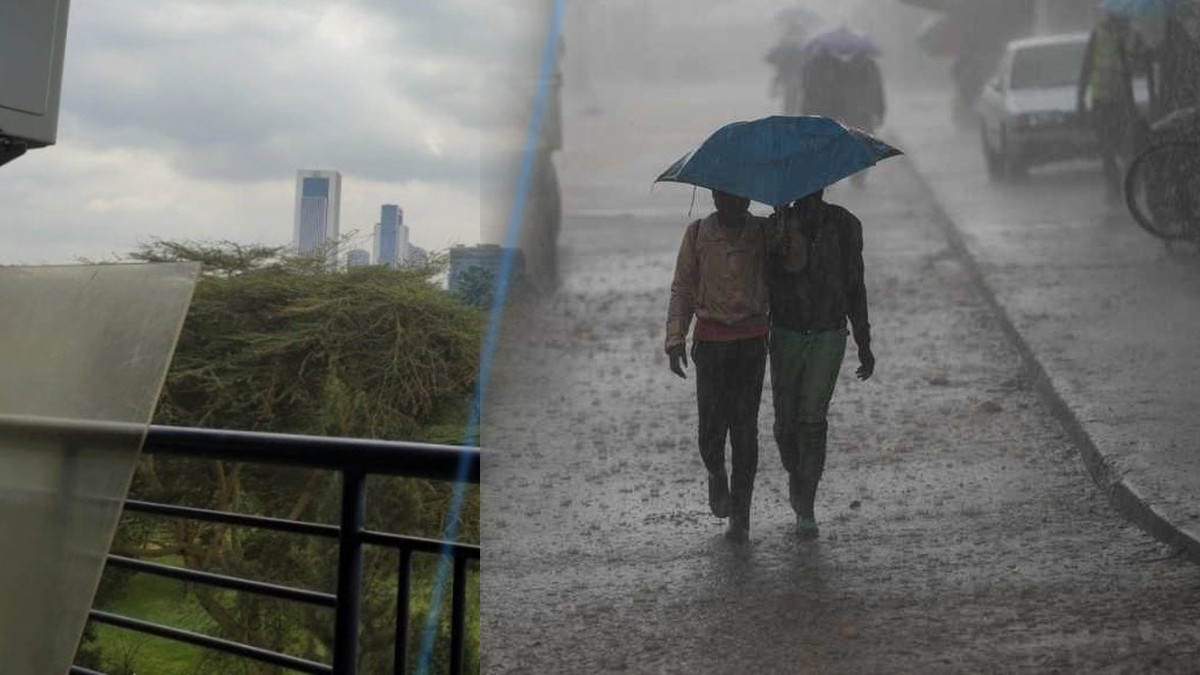
Photos: KBC (Nairobi rains); Lebu Ayiga/Wikimedia Commons (CC BY-SA 4.0) (Nairobi skyline). Thumbnail design: HAMASTA MEDIA.

Tell your story on screen.
Commercials, documentaries, interviews and social video, from script to final cut.





More in Environment
See all
Race against El Niño: State begins emergency works to stop Lakes Baringo and Bogoria from merging as gap shrinks to 7km

Girl swept away by floods in Kajiado as three-hour hailstorm flattens tea farms in Kericho

Counties told to sort waste at source and plan housing with drainage as Kisii hosts World Cities Day
Rain and afternoon storms for most of Kenya this weekend as Met warns of strong winds over Marsabit and Turkana

Baboon Invasion Sparks Fear as Kisumu Villagers Lose Crops and Face Attacks
Tana River floods displace 302 households after Tulu and Minjila dams overflow, water spreads into Lamu
Global Community Remarks
0