
Do camels warm the planet less than cows? Kenya runs Africa's first trial to measure camel methane

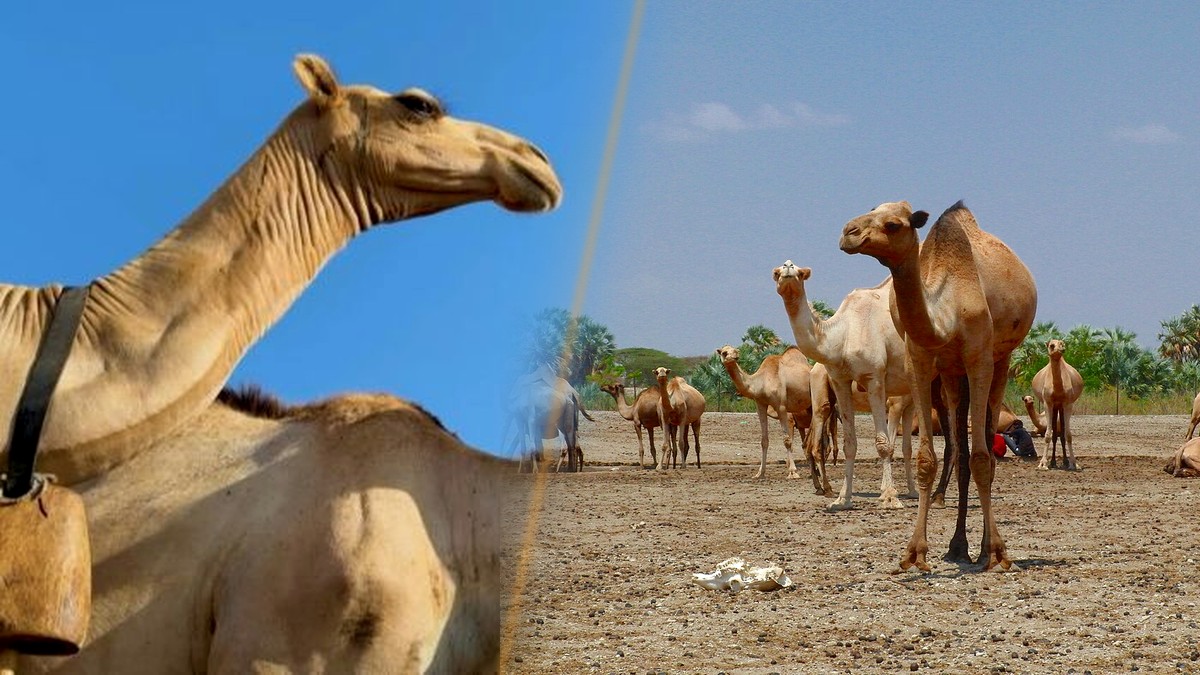
Researchers in Machakos County have run what they describe as Africa's first trial to directly measure how much methane camels release, as more herders in Kenya's drylands swap cattle for camels to survive worsening droughts.
For four weeks in September, 24 camels at the International Livestock Research Institute's (ILRI) Kapiti Research Station and Wildlife Conservancy wore light harnesses fitted with canisters that collected their breath over 24 hours, The Standard reported on Monday. The study was carried out by ILRI and France's agricultural research centre CIRAD.
Why it matters
Methane, which livestock release mainly by belching as they digest feed, is a powerful greenhouse gas with about 28 times the warming effect of carbon dioxide over a century.
Kenya has more than four million camels, and their numbers are rising as pastoralists in the north and east turn to animals that can go longer without water and pasture. But no one can yet say what that shift means for the country's emissions.
Until now, Kenya has relied on default emission figures from the Intergovernmental Panel on Climate Change (IPCC), which may not reflect local camel breeds, diets and grazing patterns.
How the trial worked
The researchers used a tracer gas method. Each camel swallowed a small tube that releases sulphur hexafluoride (SF6), a marker gas, at a known rate. Comparing the levels of the marker gas and methane in the breath samples allows scientists to estimate how much methane each animal produces.
"Think of it as a slow leak," ILRI scientist Dr Mohamed Habibou Assouma said, according to Trends N Africa.
The team also recorded milk output, body weight and feed intake, and took samples of digestive microbes. The key measures will be methane released per litre of milk and per kilogramme of feed, which will show whether camels are more climate-efficient than cattle, sheep and goats.
Not a last resort
Assouma said pastoral communities are among those hardest hit by climate change, and that the findings could shape how camels are viewed in climate policy.
"Camels should not be seen as a last resort," he said. "They should be a strategic solution to climate change."
A follow-up trial with another group of Somali camels is planned for the 2027 rainy season to capture differences between dry and wet seasons. Results from the September trial have not yet been released.
Kapiti has become a key testing ground for livestock emissions research in Africa. ILRI previously used drones at the site to measure methane from herds of camels, cattle, goats and sheep.
The data could help Kenya produce more accurate greenhouse gas inventories and guide advice to herders on which animals to keep as the climate changes.
Photos: Trends N Africa (camels); Jens Klinzing/Wikimedia Commons (CC BY-SA 3.0) (camels in North Horr, Marsabit). Thumbnail design: HAMASTA MEDIA.


Take your event live to thousands.
Multi-camera live streams, panel discussions and digital broadcasts with professional crews.




More in Environment
See all
'Silenced with trumped-up charges': Coast green activists want convictions of two Kilifi defenders reviewed

Every village told to grow 1,000 trees a month as State turns to elders to hit one billion trees a year
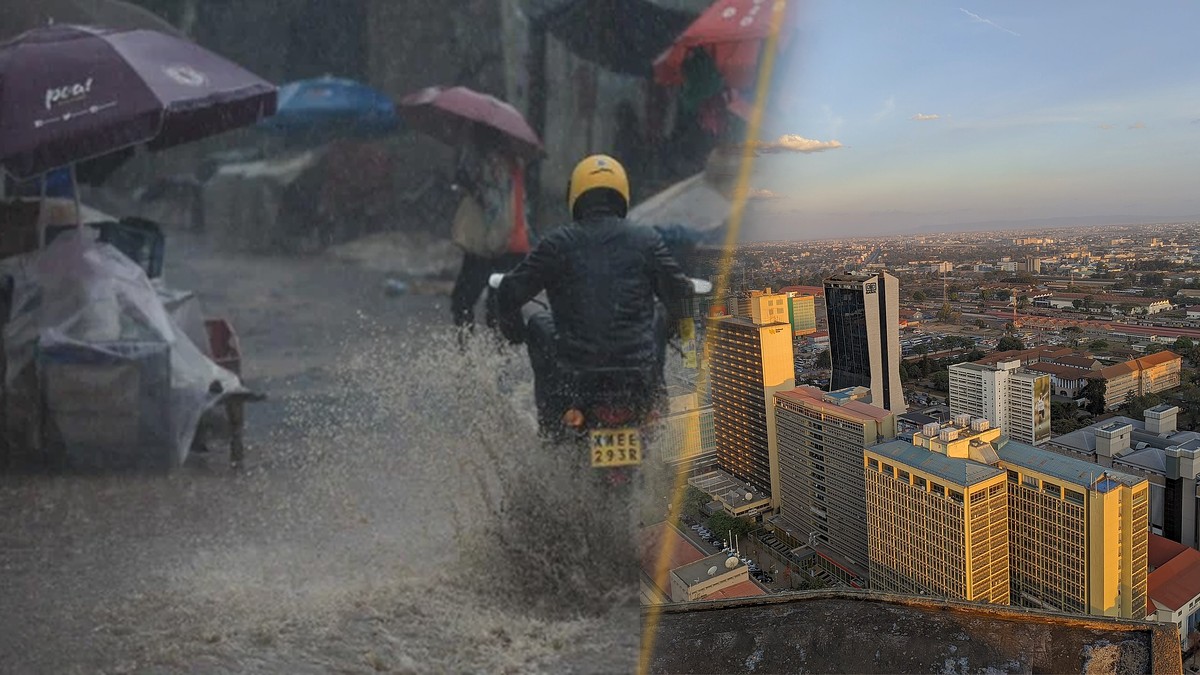
Hot days, wet evenings: Met says over 40 counties will get above-average rain in November, but Nairobi and the north will also be warmer than usual
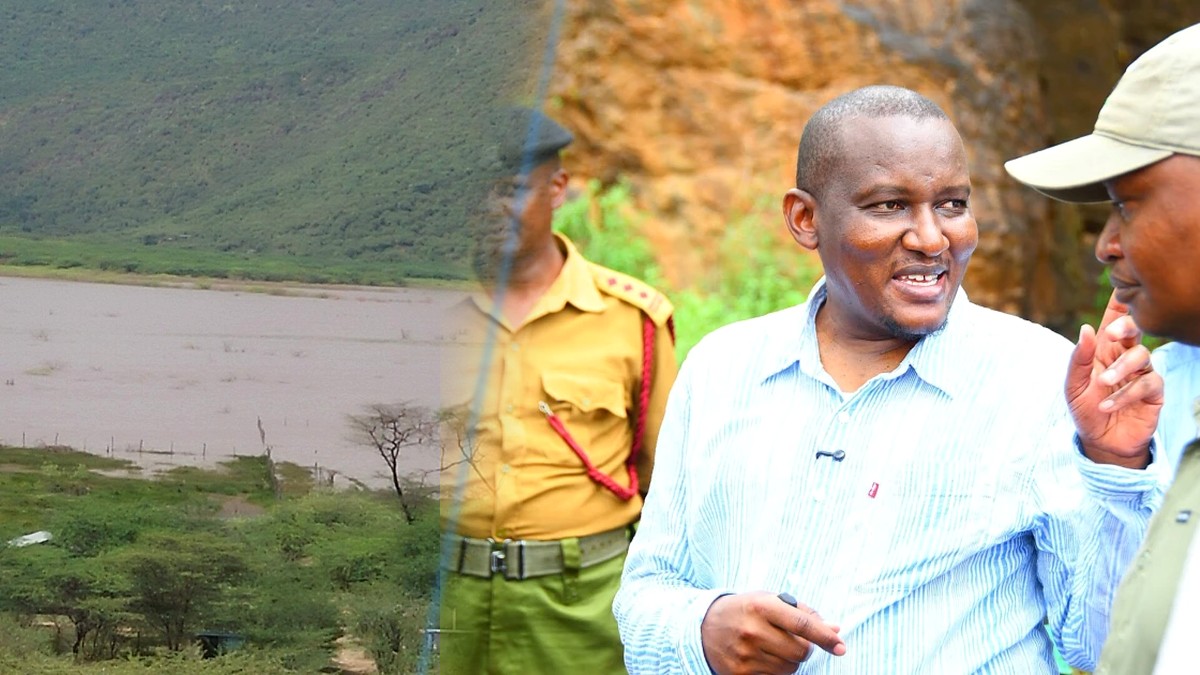
Race against El Niño: State begins emergency works to stop Lakes Baringo and Bogoria from merging as gap shrinks to 7km
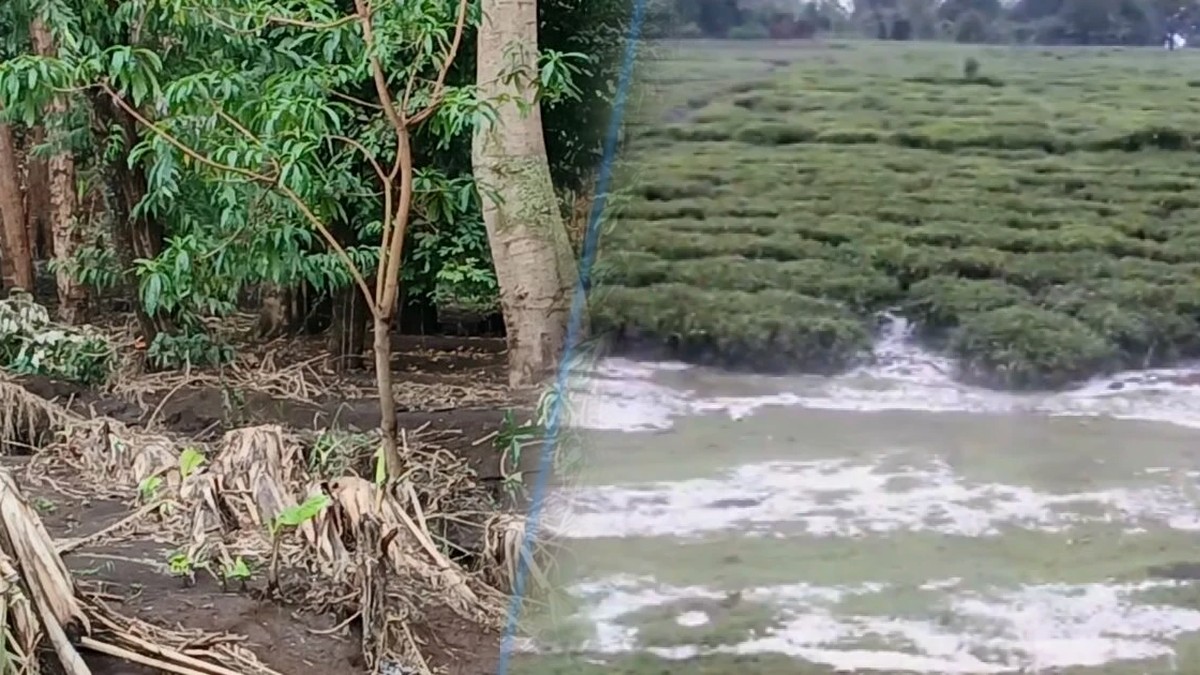
Girl swept away by floods in Kajiado as three-hour hailstorm flattens tea farms in Kericho

Counties told to sort waste at source and plan housing with drainage as Kisii hosts World Cities Day
Global Community Remarks
0