
'Not convincing': Iran rejects US reply, says Hormuz stays shut until Washington meets seven conditions
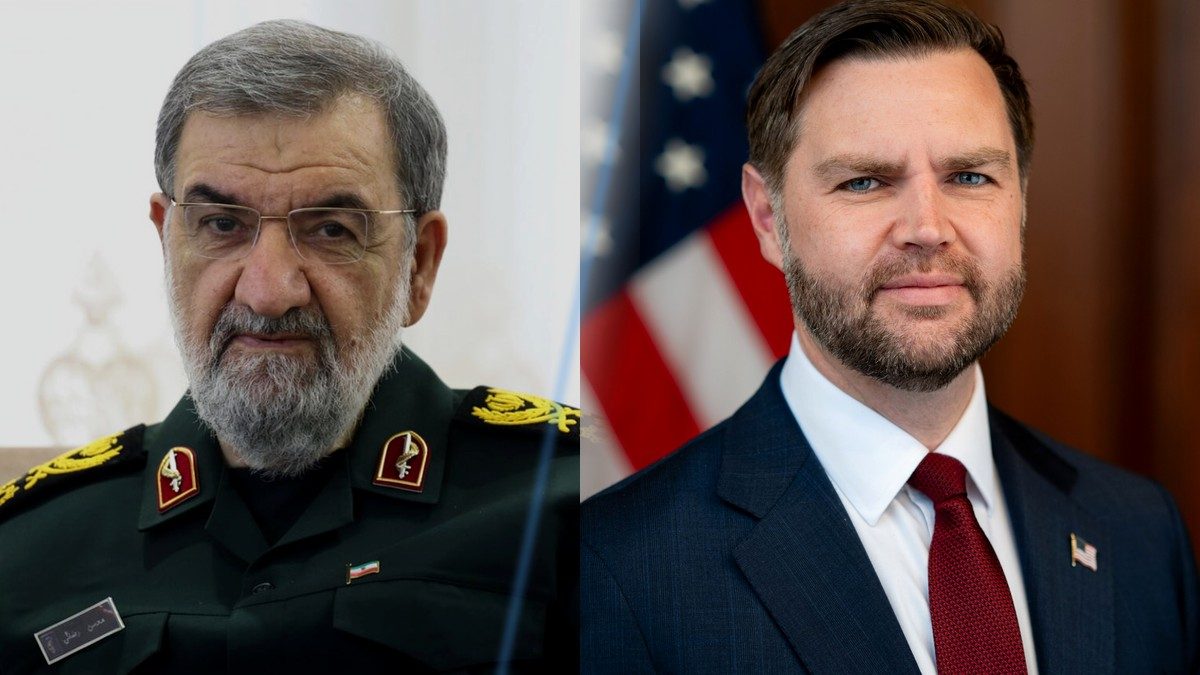
Iran has dismissed Washington's latest response to its peace proposal as "not convincing", saying the Strait of Hormuz will only fully reopen once the United States meets seven conditions, as mediators in Qatar race to keep a fragile diplomatic track alive.
'Ball in the US court'
Mohsen Rezaei, the secretary of Iran's Supreme National Security Council, said on X on Tuesday that "America's response to Iran's rights and demands was not convincing," and insisted the US must address Tehran's demands fully and explicitly before the vital oil route is reopened.
According to TRT World and other outlets, the seven conditions include a ceasefire across the Middle East, the release of frozen Iranian assets, the lifting of oil sanctions, an end to the US naval blockade, war reparations, the withdrawal of US forces and an end to threats against Iran.
Foreign Minister Abbas Araghchi said talks were "proceeding very intensively" but that "everything depends on" Washington. "If they choose honest diplomacy, we are ready to engage," he said. Foreign ministry spokesman Esmaeil Baqaei said Iran was "not afraid of diplomacy" but did not trust the US.
Washington sees progress, keeps threats
US Vice President JD Vance struck a more upbeat note. "We've certainly made some progress. We'll see if we can make some more," he said. President Donald Trump said a deal "could happen" and that Iran wanted a settlement quickly, but warned: "Either they'll make a deal, or we'll just end it."
Qatar, the main mediator alongside Pakistan, said it expected feedback from both sides within 36 hours. Spokesman Majed Al Ansari said Doha remained "hopeful that there is still a chance for a deal."
The Associated Press has reported that Israeli Prime Minister Benjamin Netanyahu is pressing Trump to launch a new air campaign after the US midterm elections, while Trump reportedly prefers to let the talks run.
Clashes at sea continue
The diplomacy is happening against a backdrop of violence in and around the strait:
- US forces carried out what were described as limited, defensive strikes on Iran's Qeshm Island on Monday after Iran's Revolutionary Guards fired on a US aircraft.
- A cargo dhow, the MSV Al Jusufi, was hit in the strait; one Indian sailor died and 13 crew were rescued by Omani authorities. No one has claimed the attack.
- The UK Maritime Trade Operations agency recorded 30 attacks on commercial ships in October, a record.
Why Kenyans should care
Oil prices have swung wildly since the war began, with Brent crude moving between about $70 and $120 a barrel. Brent fell more than 7 per cent on Monday to about $105 on hopes of a deal, a move that matters for Kenya, which imports all its refined fuel, much of it from the Gulf. Treasury Cabinet Secretary John Mbadi has signalled possible pump price relief in the 15 November review; a lasting reopening of Hormuz would make that easier, while a collapse of the talks would do the opposite.
Photos: Mehr News Agency via Wikimedia Commons (CC BY 4.0); Emily J. Higgins, The White House, via Wikimedia Commons (public domain). Thumbnail design: HAMASTA MEDIA.


Grow an audience that listens.
Social media management, digital campaigns and online storytelling that converts.



More in International
See all
19 Dead After School Roof Collapses in Pakistan's Peshawar
TPLF claims 500 Ethiopian soldiers killed near Aksum as Tigray war rages a month after Mekelle fell

'Renegade' general: Uganda arrests ex-deputy army chief Peter Elwelu in Soroti over alleged Teso plot as wife says he went to pray
Results watch: Polls begin closing in US midterms as Democrats chase three House seats and four in the Senate to seize Congress from Trump
UK doubles wait for permanent residency to 10 years but spares care workers after revolt, in rules that hit Kenyans already in Britain

Global Community Remarks
0