
'Dead voter' remarks: IEBC hands UDA's Hassan Omar a strict warning and says the next breach will cost him more

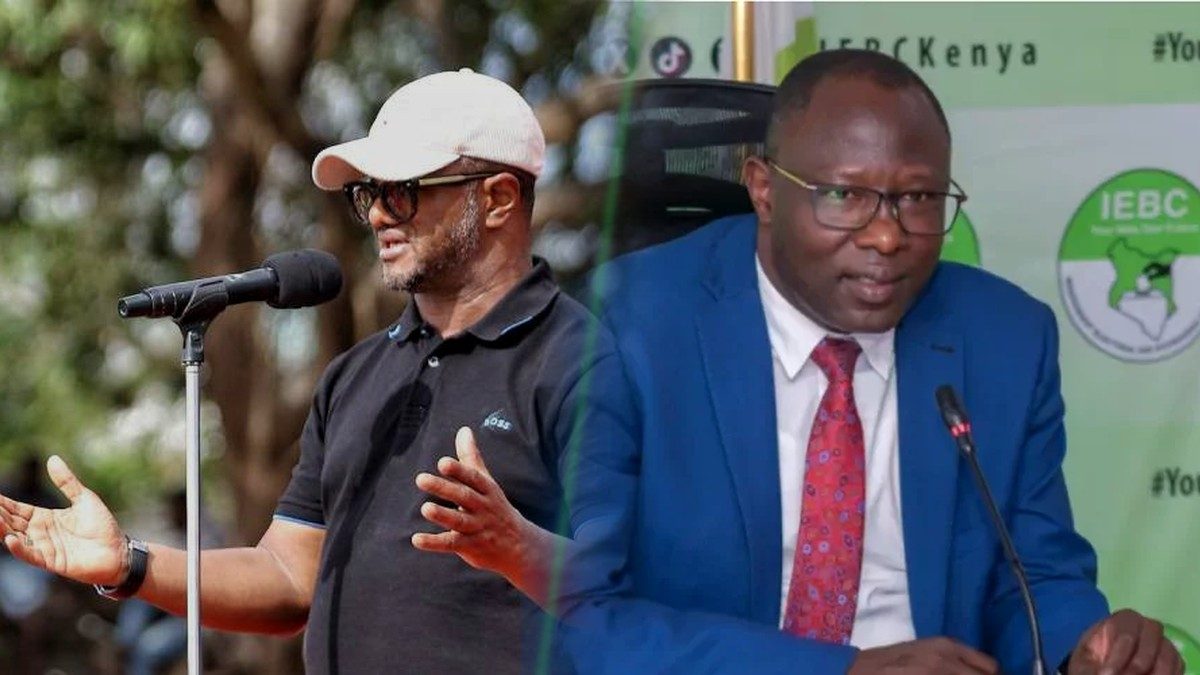
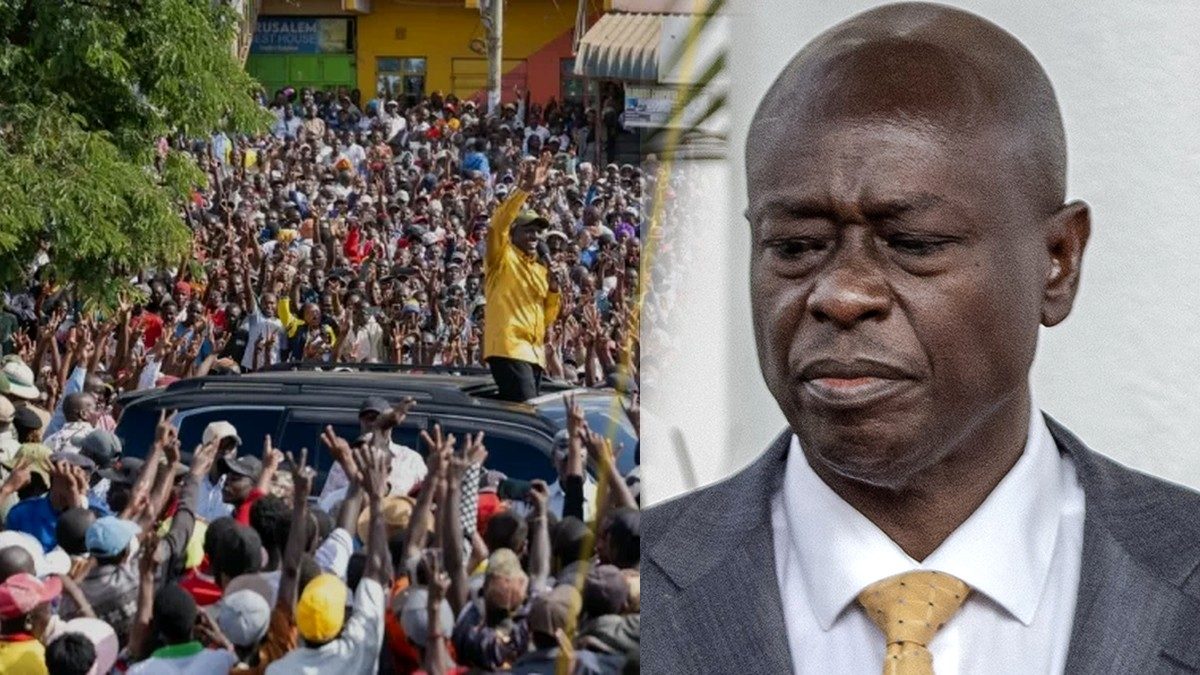
A remark made at a Mombasa rally about voting with a dead person's fingerprints has landed one of the ruling party's most senior officials in trouble with the electoral commission.
The Independent Electoral and Boundaries Commission (IEBC) has issued UDA Secretary-General Hassan Omar with a "formal and strict warning and severe caution" after its Electoral Code of Conduct Enforcement Committee found him in breach of the code over words he spoke at a public rally on September 11, 2026.
The determination, released on Wednesday, November 4, closes Complaint No. 3 of 2026. It was reported by Capital FM, the Star, the Standard and People Daily.
What the committee found
Omar, who is eyeing the Mombasa governorship, was summoned to appear before the committee on October 21. He went in person with his lawyer and was allowed to explain himself.
The committee said it weighed several things in his favour: his explanation that the words were figurative and meant to encourage people to register and vote, the clarification he later issued, and the absence of any evidence that the remarks led to an actual electoral incident.
But it ruled that the words, read in their original Kiswahili and in their ordinary meaning, invoked using a deceased person's biometric details to vote in that person's name. That, the committee said, went against the duty of political actors to reassure voters about the integrity of the ballot.
- Breach found: paragraphs 6(k)(i) and 6(l) of the Electoral Code of Conduct
- Sanction: formal and strict warning and severe caution under paragraph 7(a)(i)
- Order: comply with the code for the rest of the election period and avoid language that could be seen as encouraging or normalising electoral malpractice
'A firm boundary'
The commission said the decision puts Omar "on clear and unequivocal notice" and warned that any repeat would attract a more severe sanction under the code and the law.
It also used the ruling to send a message to the wider political class. While leaders have a constitutional right to campaign, criticise and debate, the IEBC said, statements that appear to encourage malpractice can erode public faith in elections.
"As Kenya prepares for the 2027 General Election, the Commission calls upon all political leaders, candidates, political parties, supporters and other electoral stakeholders to exercise responsibility, restraint and vigilance in their public utterances and conduct," the commission said.
IEBC chairperson Erastus Ethekon said the commission would keep enforcing electoral laws independently and impartially, without favouring any party or candidate.
Why it matters
The ruling is a rare public sanction against a senior official of President William Ruto's party as the August 2027 election draws closer. It also signals that the IEBC is willing to act on campaign talk about the voter register and biometric voting, an area that has fuelled disputes in past elections.
Photos: The Standard (Nehemiah Okwemba); The Star. Thumbnail design: HAMASTA MEDIA.


Take your event live to thousands.
Multi-camera live streams, panel discussions and digital broadcasts with professional crews.




More in Politics
See all
'I am here to ensure that Baba's journey to Canaan is finished': Kalonzo lands in Kisumu to court Raila's heartland
Debt, jobs and the price of cement: Ndindi Nyoro says Trump's midterm losses are a warning to Ruto ahead of 2027
Jubilee founder walks out: Ex-governor Kimemia joins Gachagua's DCP to chase Nyandarua seat as Mt Kenya exodus deepens
'I will come to request you to vote for me': Wamatangi opens Kiambu re-election pitch with 52,000 nursery pupils and 26 hospitals
OPINION: UDA's exodus is not a crisis of loyalty but a verdict on how the party treated its own base

'Am I not able to lead this county?': CS Ruku eyes Nairobi governor's seat days after Sakaja walks out of UDA
Global Community Remarks
0