
Shakahola massacre: Paul Mackenzie sentenced to 200 years in prison over deaths of 191 people

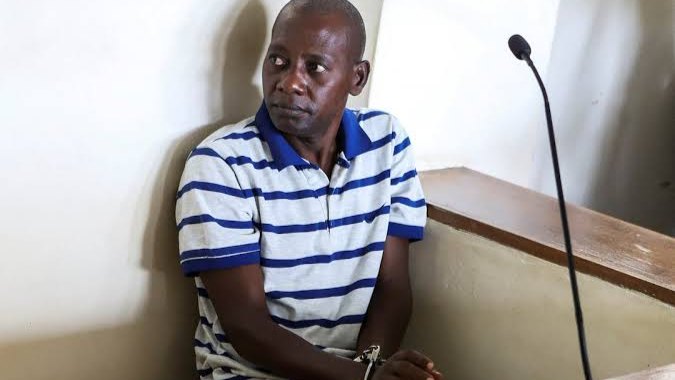
Controversial preacher Paul Nthenge Mackenzie has been sentenced to a total of 200 years in prison for his role in the Shakahola massacre, in which 190 children and one adult lost their lives following a deadly religious fasting campaign.
The sentence was delivered on Friday by Mombasa High Court Judge Diana Kavedza, bringing a major development in one of Kenya's most disturbing criminal cases, which exposed the dangers of religious extremism and the exploitation of vulnerable followers.
Mackenzie, the founder and leader of Good News International Church, was sentenced to 100 years imprisonment for each of the 183 murder counts involving deaths through starvation and another 100 years for eight counts of murder through direct homicide. His assistant pastor, Smart Mwakalama, was handed a 160-year prison sentence, while 27 other co-accused received varying lengthy sentences.
The court had earlier, on October 19, 2026, found Mackenzie and 28 co-accused guilty of all 191 murder counts after concluding that the prosecution had proved its case beyond reasonable doubt.
Judge Kavedza ruled that Mackenzie bore primary responsibility for establishing and directing an organised system of religious radicalisation and enforced fasting that ultimately resulted in the deaths of his followers.
According to evidence presented in court, Mackenzie instructed his followers to abandon their normal lives and relocate to Shakahola Forest in Kilifi County, where they were allegedly subjected to extreme fasting practices intended to help them meet Jesus.
The court heard that the fasting programme was organised in stages, beginning with children, followed by young people, women and finally men. Those who resisted the instructions were allegedly beaten, restrained, confined or prevented from accessing food and water.
Court rejects death penalty
The prosecution had sought the death penalty for Mackenzie, arguing that the scale and circumstances of the killings warranted the harshest possible punishment. However, the judge opted for a lengthy prison sentence instead.
In explaining the decision, Justice Kavedza observed that a death sentence could be interpreted differently by individuals who believed dying would reunite them with Jesus and their deceased relatives.
The judge also noted that keeping the convicts alive could provide an opportunity for further investigations and disclosures about the whereabouts of missing victims whose remains have never been recovered.
The court described the killings as calculated and rejected arguments by some of the accused that losing their own children should reduce their responsibility for participating in the deaths of other children.
How the Shakahola tragedy unfolded
The Shakahola tragedy came to public attention in March 2023 after concerns were raised about children allegedly being starved in the forest.
Investigations subsequently uncovered hundreds of shallow graves at Chakama Ranch in Kilifi County, where Mackenzie's followers had established settlements away from ordinary community life.
Between April and July 2023, authorities recovered 429 bodies during exhumation exercises. The 191 deaths formed the basis of the murder case concluded on Friday.
Investigators established that followers had allegedly been encouraged to abandon formal education, reject modern medicine, withdraw from government institutions and isolate themselves from society.
The court heard that Mackenzie used religious teachings to convince followers that extreme fasting would prepare them for the end of the world and their eventual meeting with Jesus.
Evidence presented during the trial included survivor testimonies, forensic examinations, DNA analysis, medical reports and digital recordings.
The prosecution called more than 120 witnesses, while the defence presented nine witnesses. The court found that the fasting system was enforced through an organised structure involving religious leaders, security personnel and individuals responsible for concealing bodies.
Mackenzie had denied forcing his followers to starve themselves, but the court found him guilty alongside his co-accused.
Families welcome sentence but demand answers
The sentencing has received mixed reactions from families who lost relatives in the tragedy.
Some survivors and relatives welcomed the decision, describing it as an important step towards justice after years of uncertainty and painful court proceedings.
Francis Wanje, who lost eight relatives in Shakahola, said the sentence offered some relief and hoped it would discourage similar religious teachings.
However, Suleiman Ziro, who lost his wife and six children, said the punishment had not fully addressed his suffering because he was still waiting to recover the remains of his loved ones.
His concerns reflect the continuing anguish of families whose relatives remain unidentified or whose bodies have never been recovered.
More than 60 bodies recovered from the forest had been positively identified and reburied by relatives, while many others remain unidentified and unclaimed.
Mackenzie faces additional criminal charges
Despite Friday's sentencing, the Shakahola case is not the end of Mackenzie's legal troubles.
He is also facing separate terrorism and manslaughter charges relating to more than 200 additional victims, alongside child abuse and torture charges in other courts.
His defence lawyer, Lawrence Obonyo, has indicated that an appeal has been initiated, arguing that the lengthy sentences effectively amount to life imprisonment.
The convicted persons have been granted 14 days to file appeals against the decision.
Mackenzie's sentencing therefore marks a significant milestone in the pursuit of justice for Shakahola victims, but questions surrounding the unidentified bodies, missing relatives and other alleged victims remain unresolved.
The case has reignited national conversations about religious extremism, the protection of children, accountability among religious leaders and the need for stronger safeguards against the exploitation of vulnerable believers.
For the families still searching for their loved ones, however, the 200-year sentence may represent only one part of a much longer journey towards justice and closure.




Show the impact of your work.
Impact stories, campaign videos and community engagement for NGOs and programmes.

More in Crime & Justice
See all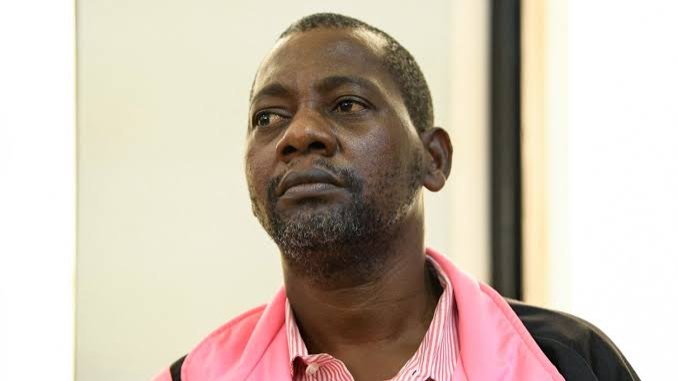
Paul Mackenzie Sentenced to 200 Years in Prison Over Shakahola Deaths
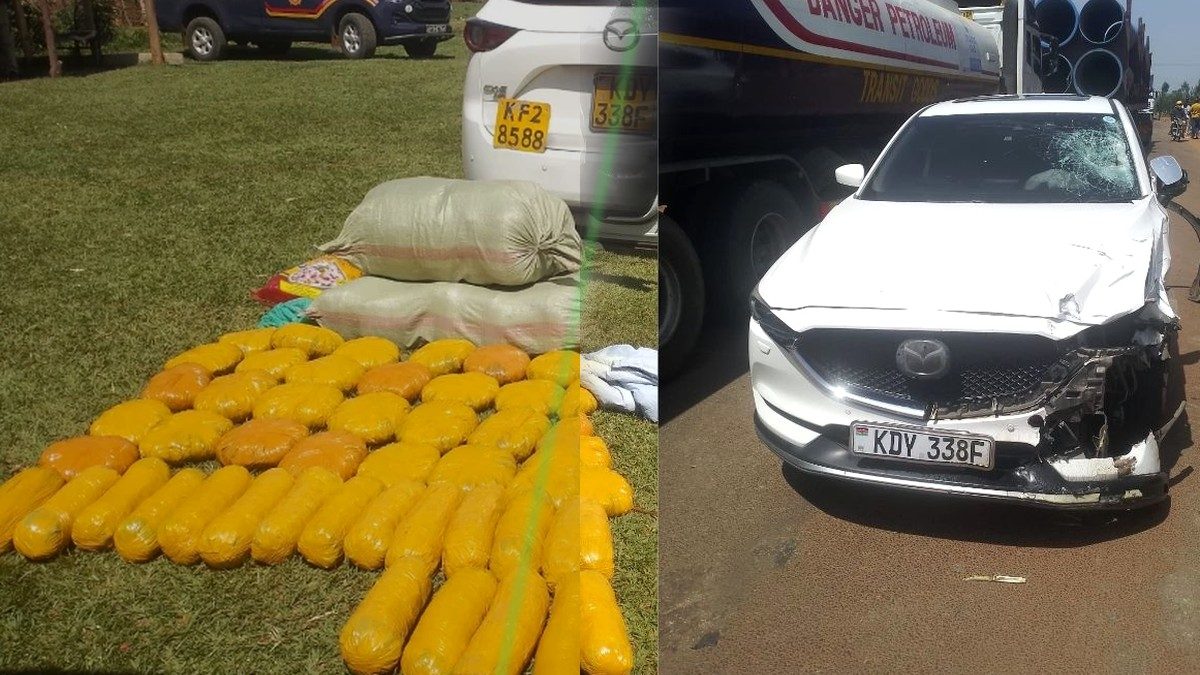
162 bales of bhang, a fake number plate and a dead rider: Police chase on Malaba-Webuye road ends in tragedy
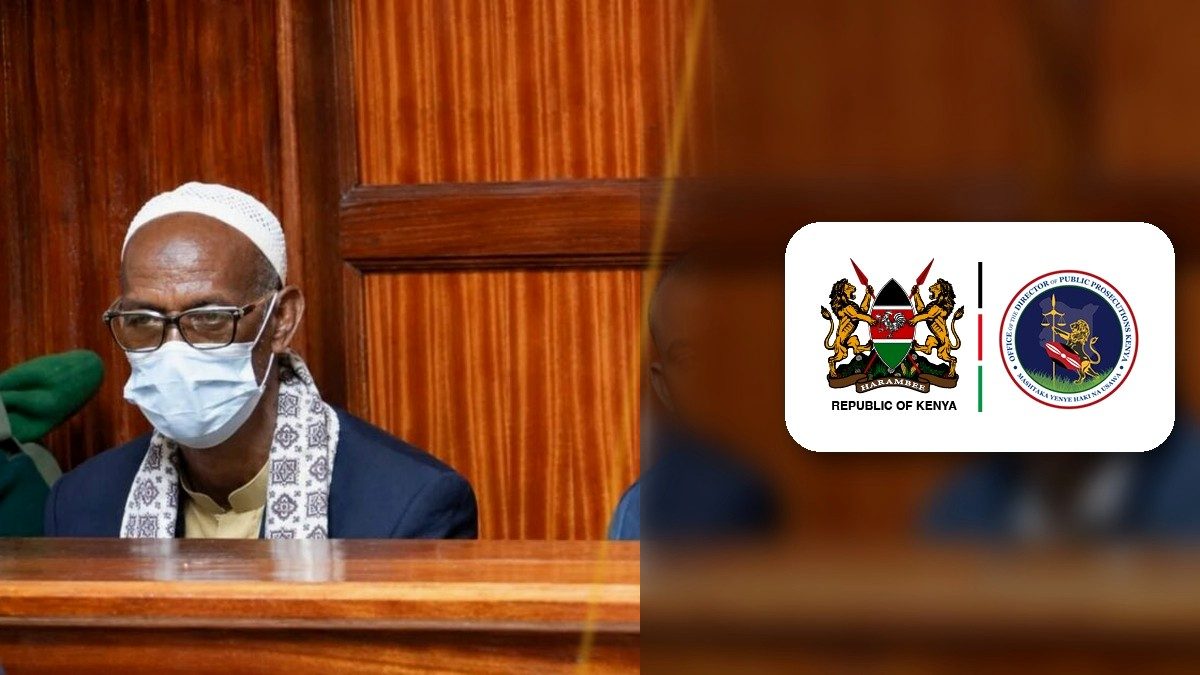
21 dead and a 30-year sentence: DPP tells court Dusit D2 terror convict must stay in Kamiti while he appeals
Shot while waiting for a ride: Police Inspector Kenneth Sang charged with murder of Dr Victoria Mutiso, DPP to fight bail
'Sergeant' with a fake certificate and handcuffs: Man posing as GSU officer arrested for extorting Jogoo Road residents
Overpowered at the cell door: Five robbery with violence suspects attack officers and escape from Limuru Police Station
Global Community Remarks
0