
207 containers stranded in Mombasa, a Sh9 billion market shut: Sudan finally lifts its 20-month ban on Kenyan tea
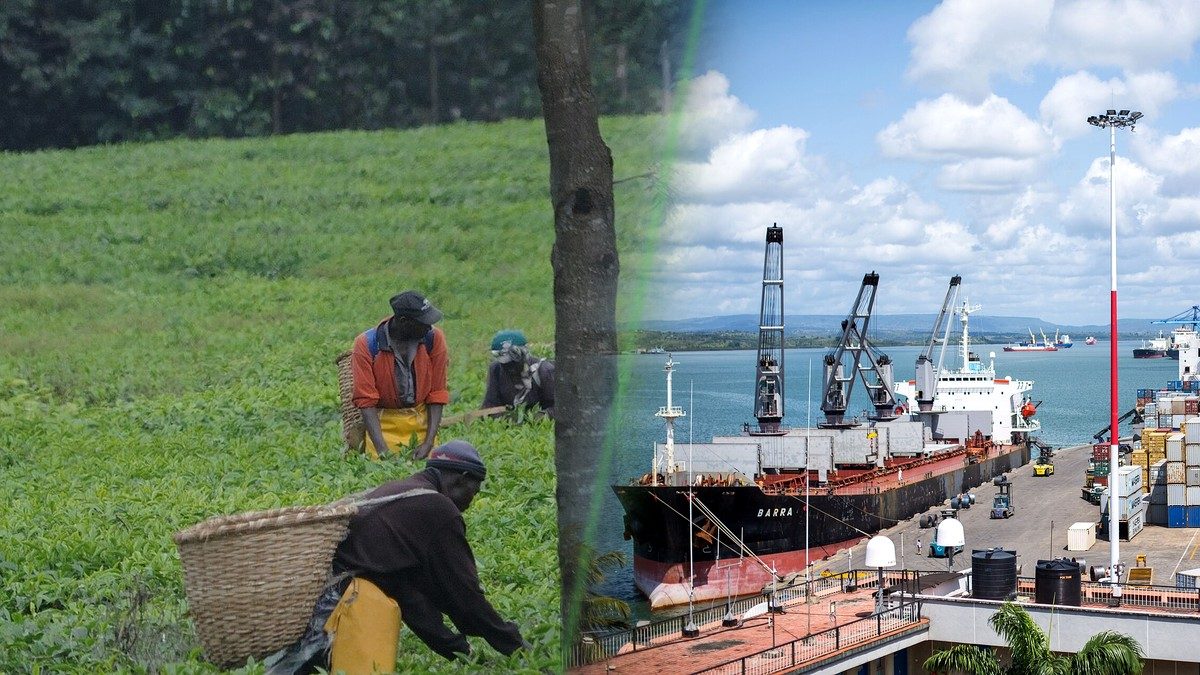
When Sudan shut its doors in March 2025, Kenyan tea worth more than Sh3.1 billion was already on the move, and 207 forty-foot containers were left stuck at the Port of Mombasa with nowhere to go. Twenty months later the door is open again: Sudan has lifted its ban on tea imports from Kenya.
The decision is set out in Ministerial Order No. 25 of 2026, titled "Lifting of the Ban on Tea Imports from Kenya" and signed by Sudan's Minister of Industry and Trade, Mahasin Ali Yaqoub. According to the Eastleigh Voice, the order is dated November 8 and takes effect immediately. Kenyans.co.ke reports that the minister directed the relevant agencies on Wednesday, November 11, to implement it.
How the ban was lifted
The order followed approval from Sudan's Sovereignty Council in a letter dated November 2, 2026, and a Cabinet communication dated November 5, 2026, according to the Eastleigh Voice and Kenyans.co.ke. Nation and People Daily also reported the lifting of the ban.
It is not yet clear whether other Kenyan goods caught up in the wider March 2025 restrictions have also been freed. The order reported so far refers only to tea.
Why Sudan matters to Kenyan farmers
Before the ban, Sudan bought about 35 million kilogrammes of Kenyan tea every year, worth roughly US$70 million, or about Sh9 billion, according to figures cited by the Eastleigh Voice. That made it one of Kenya's most valuable foreign tea markets and an important source of foreign exchange.
- Tea worth more than US$24 million (about Sh3.1 billion) was in transit or awaiting shipment when the ban took effect.
- 207 forty-foot containers of tea were reported stranded at the Port of Mombasa.
- Smallholder farmers, factories, transporters and exporters all stand to benefit as trade resumes.
The reopening comes at a difficult time for the sector. Tea and meat exporters have also been hurt by disruption in Gulf markets linked to the Middle East conflict, and the industry has been dealing with leadership wrangles at the Kenya Tea Development Agency.
The diplomatic row behind the ban
Sudan imposed the restrictions after the Rapid Support Forces (RSF) and allied groups signed a political charter in Nairobi on February 22, 2025, to set up a parallel administration rivalling the army-led government. The RSF has been at war with the Sudanese army since April 2023.
At the time, Sudan accused Kenya of hosting and sponsoring what it called a rebel group and of interfering in its internal affairs, and the March 2025 order blocked Kenyan imports arriving by sea, rail or air. Kenya said it was supporting efforts to end the war.
Industry players say the speed of recovery will now depend on how fast Kenyan exporters can reconnect with Sudanese buyers, many of whom are likely to have turned to other suppliers during the 20-month freeze.
Photos: Josep M. Gracia via Wikimedia Commons (CC BY-SA 4.0); MEAACT Kenya via Wikimedia Commons (public domain). Thumbnail design: HAMASTA MEDIA.


Grow an audience that listens.
Social media management, digital campaigns and online storytelling that converts.



More in Business
See all
KUSCCO Mutual Assurance Statutory Management Extended to December 31

Equity Group nine-month profit rises 32pc to Sh71.5bn on income growth

Treasury Proposes Car Loan and Mortgage Fund for TSC Secretariat Staff

Nigerian fintech Payaza enters Kenya after securing CBK payment licence

Family Bank nine-month profit jumps 69pc to Sh6.07bn on stronger lending

Global Community Remarks
0