
Sh4.6 billion to stop a Sh10 jump at the pump: Petrol stays at Sh226.96 and diesel at Sh227.76 until December 14

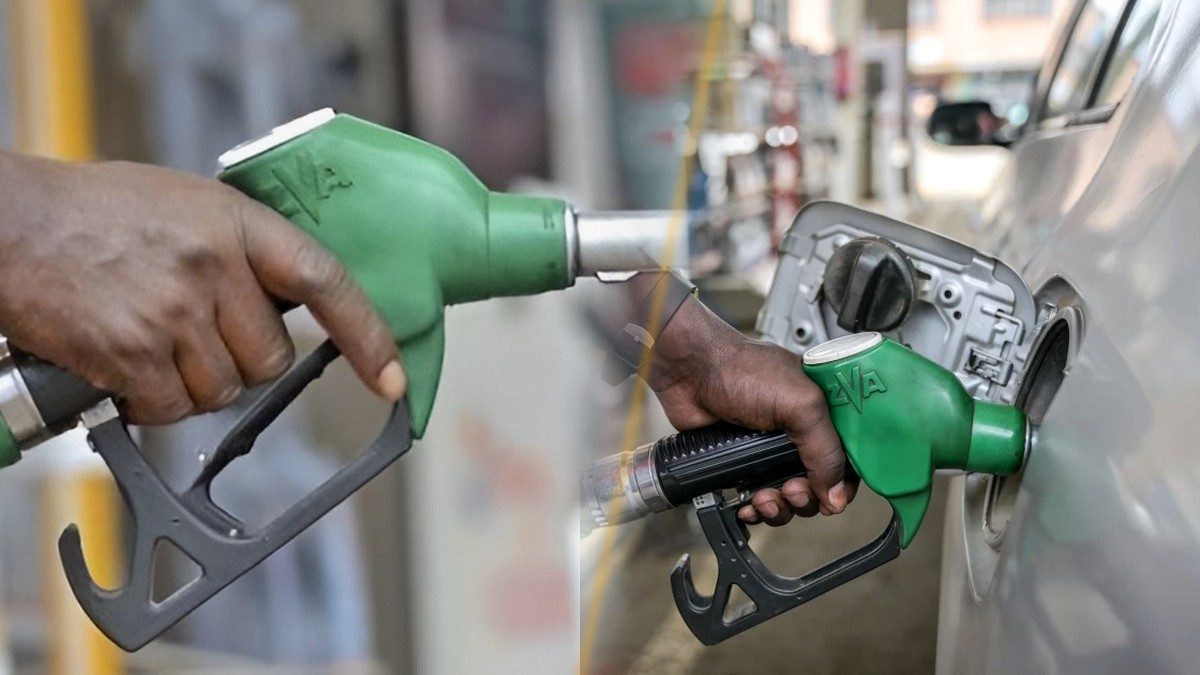
Motorists heading into the festive season have been spared a price shock that would have added more than Sh10 to every litre of diesel, after the government spent Sh4.6 billion to keep pump prices exactly where they are.
In its monthly review released on Saturday, November 14, the Energy and Petroleum Regulatory Authority (EPRA) retained the maximum retail prices of all three products for the cycle running from November 15 to December 14, 2026. In Nairobi, a litre of super petrol will keep selling at Sh226.96, diesel at Sh227.76 and kerosene at Sh219.87.
What you will pay
- Nairobi: super petrol Sh226.96, diesel Sh227.76, kerosene Sh219.87 per litre.
- Mombasa: super petrol Sh223.81, diesel Sh224.61, kerosene Sh216.71 per litre.
The prices include Value Added Tax at 8 per cent, a rate the regulator said is "in line with Government policy to cushion consumers from the negative effects of high international prices".
The increase that never reached the pump
The freeze hides a sharp rise in what Kenya paid for its fuel. EPRA said the State "has applied Ksh4.6 billion from the Petroleum Development Levy Fund to stabilise the computed petroleum pump prices for the November-December 2026 cycle".
Had the money not been used, the regulator's calculations show prices would have gone up by:
- Sh8.58 a litre for super petrol
- Sh10.54 a litre for diesel
- Sh1.16 a litre for kerosene
That would have pushed petrol in the capital past Sh235 and diesel past Sh238, with a knock-on effect on matatu fares, the cost of moving food and factory bills.
Why import costs rose
Kenya buys all its petroleum already refined, so local prices follow the world market and the exchange rate. Between September and October, the average landed cost of super petrol rose 6.11 per cent, from $977.55 to $1,037.30 per cubic metre. Diesel recorded the steepest climb, up 6.73 per cent from $1,065.38 to $1,137.09, while kerosene edged up 0.71 per cent from $1,098.31 to $1,106.11.
The shilling was of little help either way. The cargoes are priced in US dollars, and the exchange rate used moved only slightly, from Sh129.91 to the dollar in September to Sh130.17 in October.
What it means for you
For households and businesses, the announcement means another 30 days of predictable transport and energy costs, covering the start of the Christmas travel rush. Public service vehicle operators, hauliers and manufacturers had been bracing for an increase.
The relief is, however, drawn from a fund that fuel buyers themselves finance through a levy, and it lasts only as long as the money does. If landed costs keep rising, the next review, due on December 14, will again force a choice between another round of support and higher prices at the pump.
EPRA sets maximum retail prices every month under the Petroleum Act, 2019, using the weighted average cost of imported products. Dealers may sell below the cap but not above it.
Photos: Eastleigh Voice (file); Simon Maina/AFP via Citizen Digital. Thumbnail design: HAMASTA MEDIA.


Grow an audience that listens.
Social media management, digital campaigns and online storytelling that converts.



More in Business
See all
KUSCCO Mutual Assurance Statutory Management Extended to December 31

Equity Group nine-month profit rises 32pc to Sh71.5bn on income growth

Treasury Proposes Car Loan and Mortgage Fund for TSC Secretariat Staff

Nigerian fintech Payaza enters Kenya after securing CBK payment licence

Family Bank nine-month profit jumps 69pc to Sh6.07bn on stronger lending

Kenya Industrial Estates opens 38 permanent jobs, applications close December 9
Global Community Remarks
0