
Sh1 billion less from relatives abroad: Diaspora cash to Kenya slips to Sh55.95 billion in October as money from North America and Europe cools

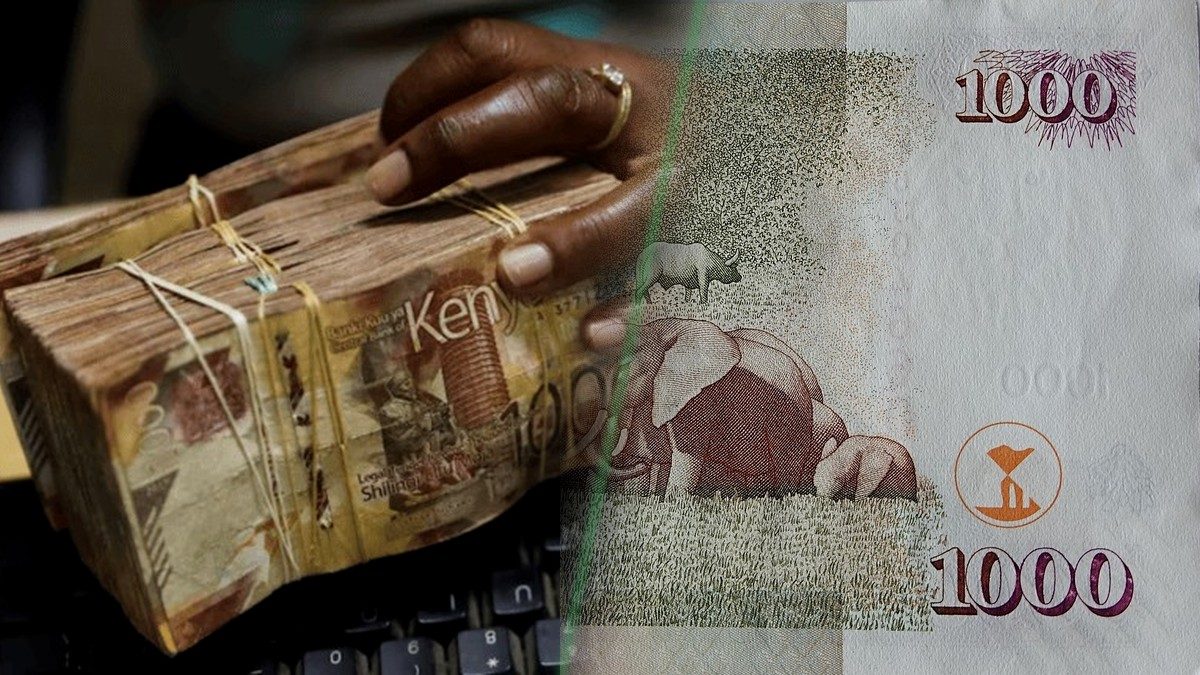
For many Kenyan families, the monthly transfer from a son in Texas or a sister in Riyadh pays the school fees, the rent and the hospital bill. In October, a little less of that money arrived.
Figures in the Central Bank of Kenya's (CBK) weekly bulletin, released on Friday, November 13, show diaspora remittances came to $430.5 million in October 2026, about Sh55.95 billion. That is down from $438.8 million, roughly Sh57.03 billion, in October 2025.
The gap of $8.3 million, about Sh1.08 billion, is a 1.9 per cent drop.
Not a one-month dip
The longer trend points the same way. Inflows over the 12 months to October 2026 fell 1.1 per cent to $5.023 billion (about Sh653.2 billion), from $5.082 billion (about Sh660.9 billion) in the year before. In shilling terms, about Sh7.67 billion less reached Kenyan households and businesses.
The CBK did not sound an alarm. "Remittance inflows remain a key source of foreign exchange earnings and continue to support the balance of payments," it said.
Where the money slowed
A breakdown of the CBK data by business publication Khusoko shows the weakness was concentrated in the traditional sending regions between September and October:
- North America: $195.6 million, down from $215.5 million
- Europe: $85.1 million, down from $97.7 million
- Rest of the world: $149.8 million, up from $125.3 million
North America remained the biggest source, at about 45 per cent of October's total. Overall, October was also 1.8 per cent lower than September's $438.5 million. The reports on the bulletin do not give a reason for the decline.
Shilling steady, reserves slightly lower
The fall has not shown up in the exchange rate. The shilling traded at Sh129.96 to the US dollar on November 12, unchanged from a week earlier. It stood at Sh172.72 against the British pound and Sh144.38 against the euro.
Foreign exchange reserves were $14.605 billion (about Sh1.9 trillion) on November 12, enough for 5.9 months of imports and above the statutory minimum of four months. That was $94 million lower than the $14.699 billion held on November 5. The data does not link the movement in reserves to the remittance figures.
Why it matters
Remittances are one of Kenya's most important sources of dollars and, unlike loans, they go straight into homes. CBK surveys cited by Khusoko indicate that most of the money is sent to relatives for food, education and medical needs, with some going into property.
A 1.9 per cent slip is modest, and October 2026 was still well above the $355.6 million recorded in October 2023. But families that depend on a relative abroad will feel even a small squeeze, and the November and December figures will show whether the usual holiday-season transfers make up the difference.
Photos: Reuters via Eastleigh Voice; Ahandrich via Wikimedia Commons (CC0). Thumbnail design: HAMASTA MEDIA.

Tell your story on screen.
Commercials, documentaries, interviews and social video, from script to final cut.





More in Business
See all
KUSCCO Mutual Assurance Statutory Management Extended to December 31

Equity Group nine-month profit rises 32pc to Sh71.5bn on income growth

Treasury Proposes Car Loan and Mortgage Fund for TSC Secretariat Staff

Nigerian fintech Payaza enters Kenya after securing CBK payment licence

Family Bank nine-month profit jumps 69pc to Sh6.07bn on stronger lending

Kenya Industrial Estates opens 38 permanent jobs, applications close December 9
Global Community Remarks
0