
Five times the normal sulphur cap, six more months: What the State's fuel waiver means for your car's engine
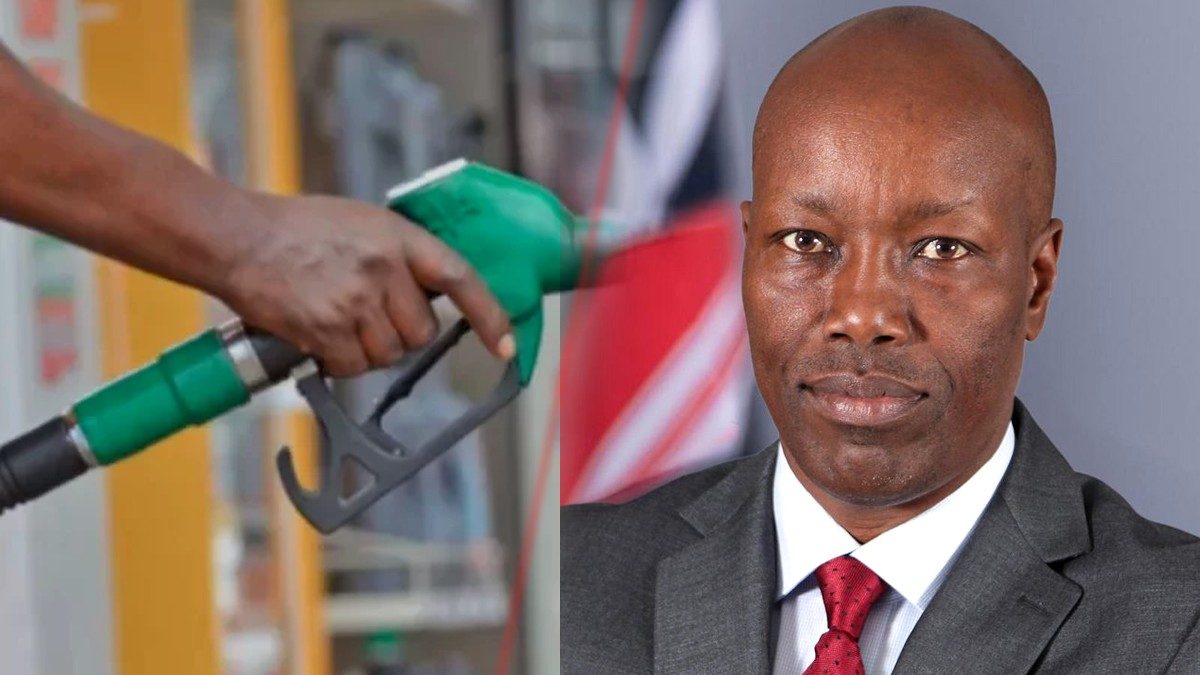
The fuel going into your tank will stay dirtier than Kenya's standards normally allow for at least another six months, after the government extended a waiver on sulphur limits in petrol and diesel.
In a statement dated November 11, Investments, Trade and Industry Cabinet Secretary Lee Kinyanjui said imported diesel and super petrol may contain up to 50 milligrams of sulphur per kilogram. The normal standard for cleaner-grade fuel is 10mg/kg, so the temporary cap is five times higher.
Why the government extended it
The waiver was first granted on April 30, 2026, after conflict in the Middle East disrupted shipping routes, including the Strait of Hormuz, and made fuel that meets Kenya's strict specifications harder to find. Kinyanjui said those disruptions were still being felt.
"The decision follows a technical assessment and monitoring of the continuing geopolitical uncertainty in the Middle East and related disruptions affecting global petroleum supply chains, including the Strait of Hormuz," he said.
The extension was requested by the Ministry of Energy and Petroleum and recommended by the National Standards Council. It applies to diesel under standard KS EAS 177:2025 and to petrol under KS EAS 158:2025.
"The extension is intended to widen available sources of compliant fuel and safeguard Kenya against supply shortages," Kinyanjui said. "This is a temporary measure intended to maintain uninterrupted fuel availability and protect economic stability. It will be reviewed at the end of the six-month period or earlier should global supply conditions improve."
The Star reported that Kenya's government-to-government fuel suppliers have struggled to guarantee cargoes that meet the agreed specifications, as the conflict pushed suppliers to look for alternative markets. Keeping the 10mg/kg rule would have narrowed the pool of suppliers and raised the risk of shortages.
What it means for your vehicle
Higher sulphur content is not expected to make cars break down overnight, but it can wear engines faster over time. According to The Star:
- Fuel with more sulphur can burn less efficiently, which may raise consumption
- It can contaminate engine oil faster by making it more acidic
- It can speed up clogging or damage to emission-control parts such as catalytic converters and diesel particulate filters
Mechanics advise private motorists and matatu owners to shorten oil-change and filter-cleaning intervals while the waiver lasts, servicing vehicles sooner than usual to protect engine parts.
Part of a wider cushion
The sulphur waiver is one of several steps the government has taken to shield Kenyans from the oil shock. Parliament halved VAT on fuel from April 15, and the relief has since been extended twice. On Saturday, the Energy and Petroleum Regulatory Authority kept pump prices unchanged until December 14, with petrol at Sh226.96 a litre in Nairobi.
How long the dirtier fuel stays depends on the Gulf. Uncertainty persists over when the Strait of Hormuz will fully reopen, and Kinyanjui said the waiver could end earlier if supplies improve.
Photos: The Star; Government of Kenya / Wikimedia Commons (public domain). Thumbnail design: HAMASTA MEDIA.



Know what people say about you.
Media monitoring, audience insights and strategic communication for your brand.


More in Business
See all
KUSCCO Mutual Assurance Statutory Management Extended to December 31

Equity Group nine-month profit rises 32pc to Sh71.5bn on income growth

Treasury Proposes Car Loan and Mortgage Fund for TSC Secretariat Staff

Nigerian fintech Payaza enters Kenya after securing CBK payment licence

Family Bank nine-month profit jumps 69pc to Sh6.07bn on stronger lending

Global Community Remarks
0