
90 pupils per class and less than Sh9,000 a month: Study finds refugee camp teachers are among Kenya's most committed and worst paid
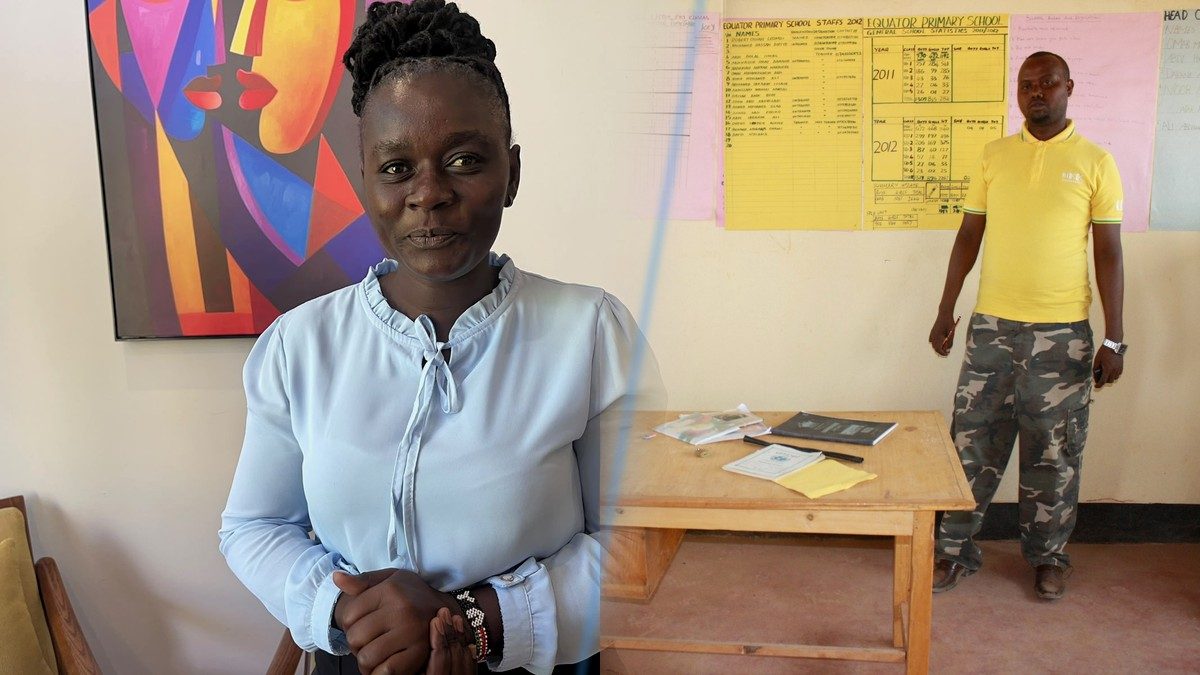
Picture a classroom of 90 children who may speak as many as 18 languages, and a teacher earning less than Sh9,000 a month. A new study says that is an ordinary day for many teachers in Kenya's refugee camps.
The African Population and Health Research Center (APHRC) study looked at teacher well-being in refugee camps and host communities in Garissa and Turkana counties, the home of Dadaab and Kakuma. It found an unusual gap. Teachers are deeply committed to their work, but the conditions they work in are wearing them down.
The numbers behind the chalk
The study surveyed 927 teachers in 74 schools and interviewed more than 100 others. Its main findings:
- About 87 per cent of teachers in refugee camp schools earn less than Sh9,000 a month. By comparison, 71.4 per cent of TSC-employed teachers earn an average of about Sh30,000.
- 92 per cent of refugee teachers are on one-year contracts. TSC teachers are on permanent and pensionable terms.
- Classes in refugee camp schools average 90 learners, and a quarter of teachers handle more than 100. Host community schools average about 56.
- Women make up less than 10 per cent of teachers in refugee camp schools.
- Motivation scored 91 per cent, but overall well-being averaged only 59.2 out of 100.
- TSC registration stands at 92.8 per cent among Kenyan teachers and zero among refugee teachers.
Without registration, refugee teachers cannot get professional recognition, promotion or the job protections that come with TSC employment. Many schools in the camps are informal, and NGOs help families pay the teachers.
'Commitment alone cannot compensate'
The report says the high commitment cannot be relied on forever. It warns that commitment "cannot compensate indefinitely" for gaps in pay, job security, workload and recognition.
At the report's launch, Dorcas Ayo Tindy, a Kenyan teacher in Kakuma, described pupils who arrive knowing neither Kiswahili nor English. She said some children sit on the floor because there are not enough desks. She also said refugee teachers often walk to school through insecure areas, while Kenyan staff are driven there for their safety.
Unions want formal schools in the camps
KNUT Deputy Secretary-General Hezbon Otieno said the government should set up formal schools in the camps so that displaced children get minimum learning conditions. He called on the Ministry of Education, the Department of Refugee Services, the TSC, county governments and NGOs to work together on the problem.
KNUT First National Vice-Chairman Malel Langat said qualified teachers in the camps should be employed and that TSC should post teachers there.
Dr Reuben Mugwuku, who is in charge of teacher professional management at the TSC, admitted there were challenges. He said many refugee teachers have experience and proven skill but cannot meet the qualification, documentation and registration requirements.
Ministry of Education official Zipporah Kawira noted that Kenya's regional commitments, including the Djibouti Declaration, call for certification pathways and for refugee teachers to be brought into the national system.
The findings come as the government says it has hired 100,000 teachers in three years and plans to add 20,000 more by the end of the year.
Photos: Juliet Omelo/TalkAfrica (teacher Dorcas Ayo Tindy at the APHRC study launch); Oxfam East Africa via Wikimedia Commons, CC BY 2.0 (teacher in Dadaab, file). Thumbnail design: HAMASTA MEDIA.


Grow an audience that listens.
Social media management, digital campaigns and online storytelling that converts.



More in Education
See all
Bandits, early marriage and poverty keep millions of Nigerian children out of school

Makini Schools to spend Sh600m expanding Runda campus as premium demand grows

TSC names Cheptumo Ayabei as new Secretary and CEO after months-long search

Homa Bay KCSE candidate dies days after allegedly drinking ethanol in school lab
Master's now or work first? A Kenyan graduate's guide to HELB postgraduate funding and the big international scholarships

Global Community Remarks
0