
Bandits, early marriage and poverty keep millions of Nigerian children out of school
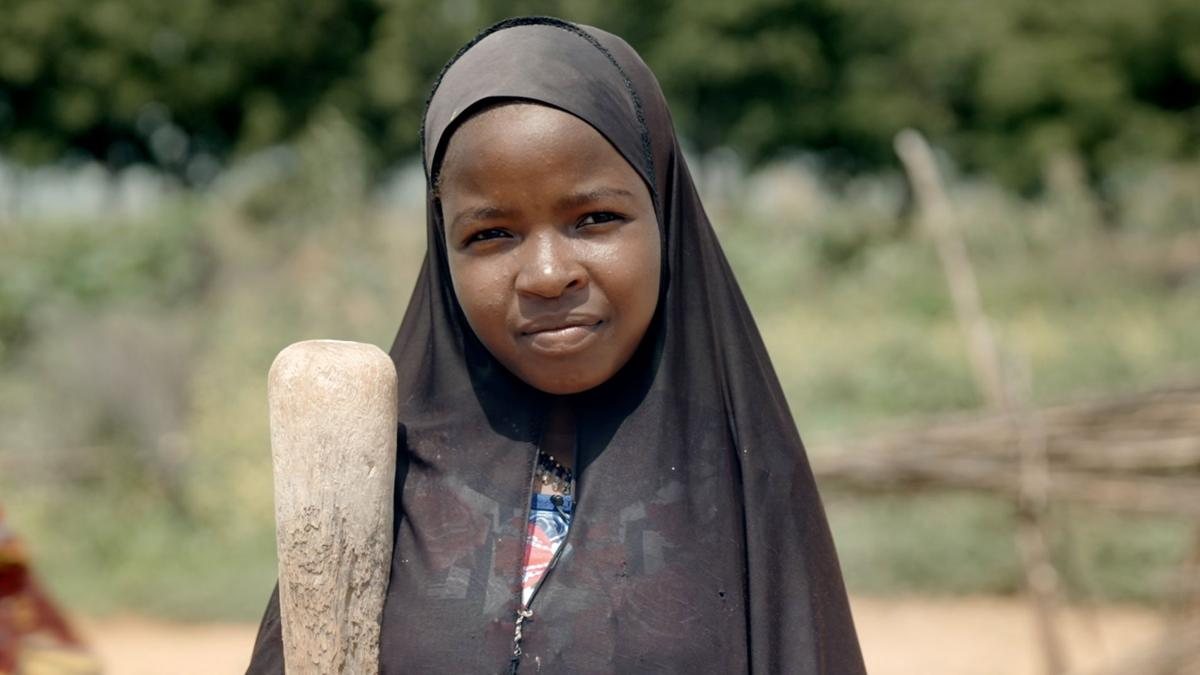
Armed gangs, child marriage and grinding poverty are keeping millions of children in northern Nigeria out of the classroom, according to BBC News Africa, which has reported from a displacement camp in Goronyo where girls who once attended school now spend their days on housework, gathering firewood and begging.
Nearly 19 million Nigerian children were missing out on an education, according to Unesco estimates released in 2024. That figure represents roughly a quarter of the country's school-age population.
Married at 13
One of those children is 15-year-old Hadiza. About two years ago, armed men raided her village, drove off the cattle and abducted a girl, she told BBC News Africa. Her family fled on foot to the camp in Goronyo, a few kilometres away.
She briefly attended school there, but at 13 she married and stopped going to class. She explained that, under local tradition, a girl's schooling ends once she is married. She now lives with her in-laws and helps run the household, and practises letters by writing on the ground so she does not forget them.
Nigerian law bans marriage below the age of 18, but the rule is not always enforced, BBC News Africa notes. Hadiza says she still hopes to become a doctor so she can help other women.
Begging to feed siblings
Twelve-year-old Rukayya, who lives in the same camp, gave up school after bandits killed her father in front of her about a year ago. As the eldest child, she now collects firewood to sell and begs so her younger siblings can eat.
"It pains me to see other children studying and going to school while I cannot," she told BBC News Africa.
The two girls are among 670,000 people in north-west and central Nigeria displaced by armed robbery and kidnapping, according to the International Organization for Migration. While militant Islamist groups have carried out some attacks, most violence in the region is blamed on criminal gangs known locally as bandits.
A school under strain
The only school serving the camp typically holds about 50 pupils per class. Teacher Kamilu Sulaiman Jakada said that although lessons are free, few children attend, and often irregularly, because parents rely on them to earn money for food.
He said the school lacks teachers and classrooms, with funding inconsistent and frequently coming from individuals or organisations rather than government. On one occasion, a gang arrived on motorbikes firing into the air. No one was hurt, but many frightened parents withdrew their children.
Nigerian children are entitled to nine years of free, compulsory education, with responsibility split between federal, state and local governments. However, shortages are widespread, and poorer families struggle to pay for uniforms, books and transport. Unicef also counts many children in the traditional Almajiri Islamic education system as out of school, since they are not taught subjects such as maths and science.
Government response
Minister of State for Education Prof Suwaiba Sa'id said she believes the number of out-of-school children is lower than reported, but acknowledged that proper investment and oversight had not kept pace with population growth. She said two states, which she declined to name, had not hired a single teacher in eight years.
She described education as the government's top priority and pointed to Lumina, an initiative aiming to support one million girls by 2030 through accelerated learning for older girls who have missed years of schooling. She added that the government is doing everything possible to tackle banditry.
Lessons on air
Against this backdrop, the BBC World Service has launched Dars Hausa, offering English, maths and science lessons in Hausa to children across West Africa through radio, local television partners and social media. Nearly half of Nigerian households own a radio, according to Save the Children.
The programme follows Dars editions in Pashto and Dari, launched in 2023 for Afghan children barred from school, and an Arabic version introduced in February 2025. Dars Hausa will air on BBC News Hausa radio on Sundays at 06:45 West Africa Time, with a repeat at 20:45.
This story was prepared by the Hamasta Newsdesk with AI assistance, based on reporting by BBC News Africa. Read the original report. Photo: BBC News Africa.

Tell your story on screen.
Commercials, documentaries, interviews and social video, from script to final cut.





More in Education
See all
Makini Schools to spend Sh600m expanding Runda campus as premium demand grows
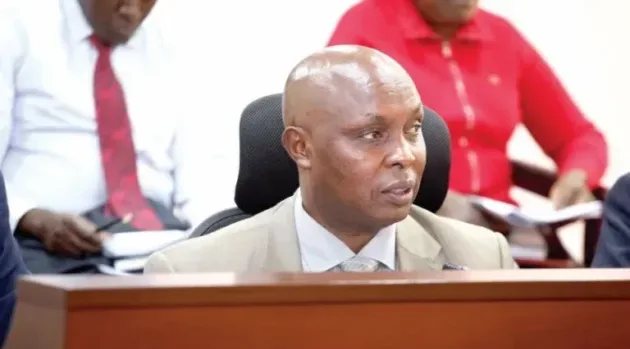
TSC names Cheptumo Ayabei as new Secretary and CEO after months-long search

Homa Bay KCSE candidate dies days after allegedly drinking ethanol in school lab
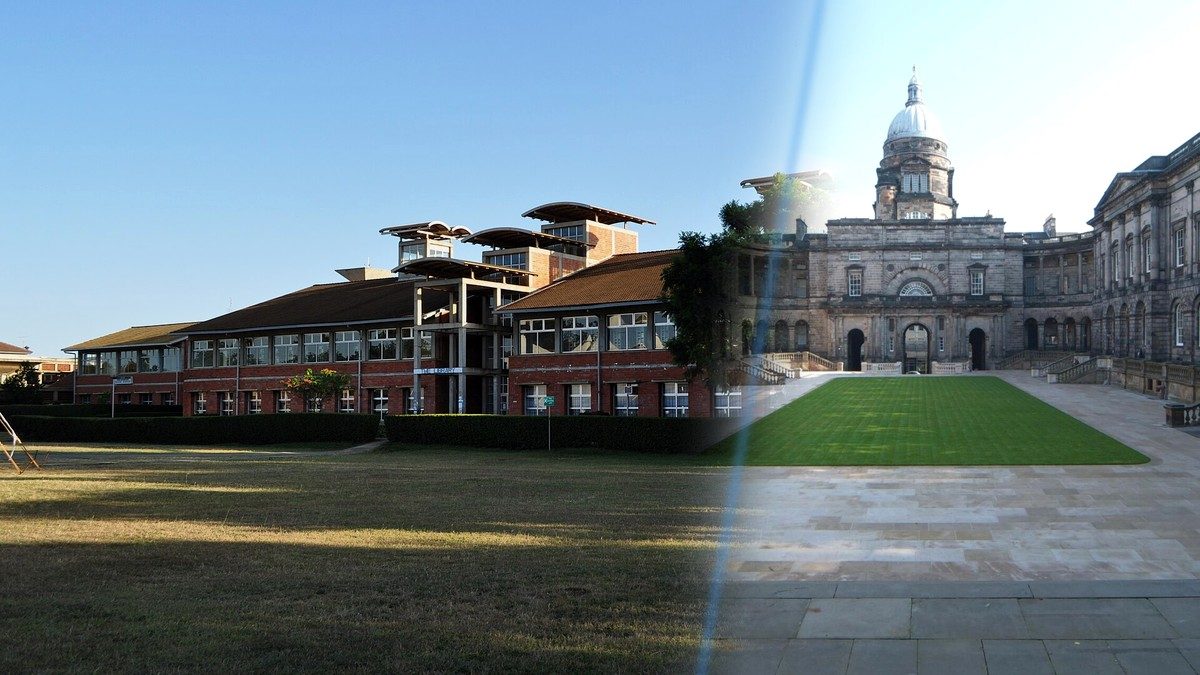
Master's now or work first? A Kenyan graduate's guide to HELB postgraduate funding and the big international scholarships
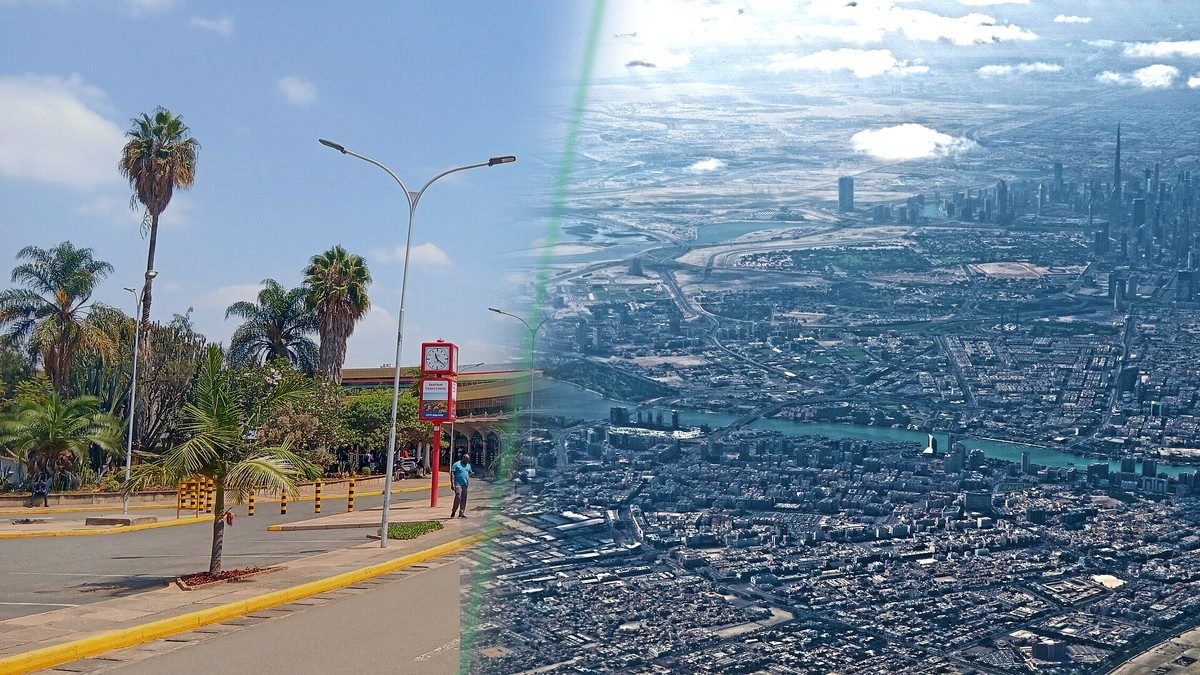
Thinking of working abroad? A Kenyan graduate's guide to doing it legally and safely
Global Community Remarks
0