
Fake jobs, real losses: how Kenyan graduates can spot recruitment scams before paying a shilling
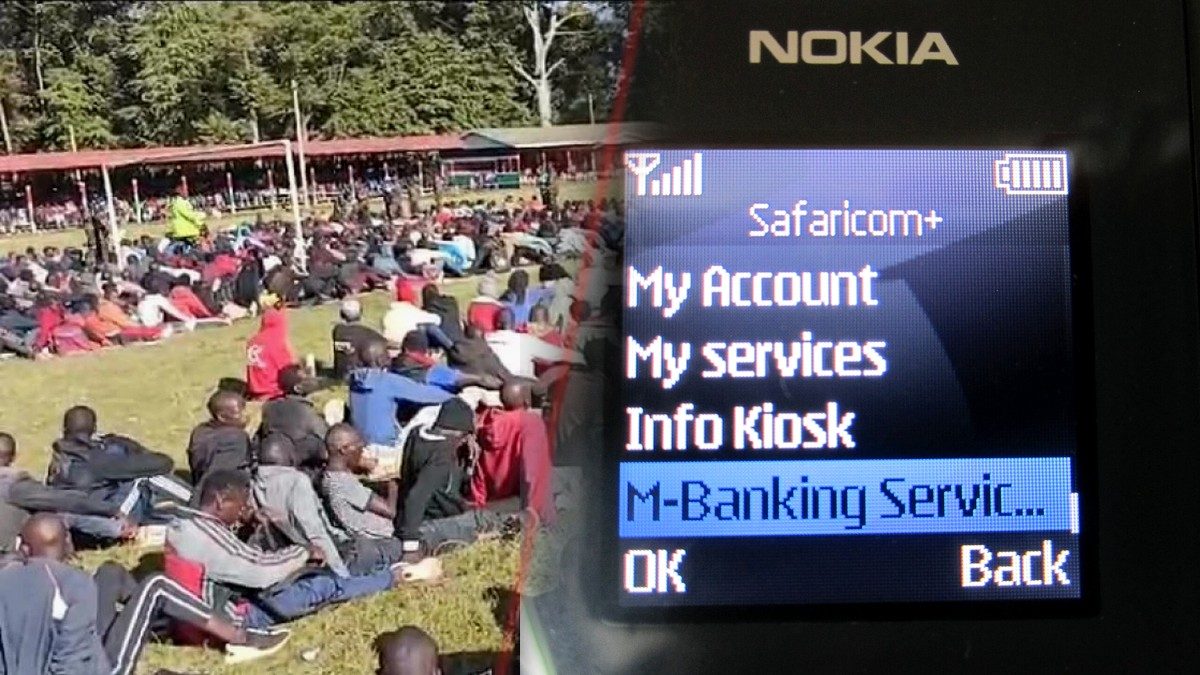
Fresh graduates are a favourite target for fraudsters. You are hungry for a job, you are checking WhatsApp groups and Facebook pages every hour, and someone appears with an offer that seems too good to miss. All they need is a small fee for "processing", a "medical" or a "training kit". By the time you realise the job never existed, the money and the person are gone.
The good news is that most job scams follow a few predictable patterns. Learn them and you will save yourself money, time and, in the worst cases, your safety.
The golden rule
A genuine employer pays you. You do not pay to be shortlisted, interviewed or hired. The Public Service Commission says plainly that it does not charge for any of its services, and the Kenya Defence Forces has repeatedly said its recruitment is free.
Scam 1: "Pay to be interviewed" and fake government adverts
Fraudsters copy the logos of real institutions and circulate fake adverts on WhatsApp and social media. In recent months the Public Service Commission, the Teachers Service Commission, the National Police Service Commission, Kenya Railways and the Kenya Urban Roads Authority have all publicly disowned fake adverts or warned about impostors.
How to check:
- Go to the institution's official website yourself by typing the address, not by clicking a link in the message. Government websites end in .go.ke.
- Check that the application method matches. The PSC, for example, takes applications through its online portal.
- Be suspicious of adverts with a personal mobile number, a Gmail or Yahoo address, or an M-Pesa number for "fees".
Scam 2: Fake KDF, police and other uniformed-service recruitment
Every recruitment season, conmen claim they can "secure a slot" or sell "calling letters" for the KDF or the National Police Service. Military leaders have warned that recruitment is free and that bribery to influence it is a criminal offence. Detectives have arrested suspects over such schemes, including one case involving a fake KDF recruitment letter and a loss of Sh687,000. Rely only on announcements through the Ministry of Defence, the National Police Service Commission and their verified social media accounts.
Scam 3: Fake overseas jobs
Offers of well-paid jobs in the Gulf, Europe, Canada or Asia that demand money upfront for visas, medicals or tickets are among the costliest scams. Some are worse than scams: the government has said more than 200 Kenyans were lured with job promises and ended up recruited into the Russian army fighting in Ukraine, and that hundreds of rogue recruitment agencies have been delisted.
How to check:
- Confirm the agency is accredited by the National Employment Authority. The NEA's own advice is: "Check that your recruitment agency is accredited by NEA before you pay any fees or sign a contract." The list is on the NEAIMS portal, neaims.go.ke.
- Visit the agency's physical office and ask for its NEA registration details.
- Refuse anyone who tells you to travel on a visitor or tourist visa and "change it to a work visa" once there. The government has warned against this.
Scam 4: Fake internships and "training fees"
Some outfits advertise internships or graduate programmes, then demand a registration, uniform or training fee. Genuine internships in the public service and in reputable companies do not charge you to join. If an "employer" insists you must first buy a course or a starter kit from them, walk away.
Scam 5: Pyramid and "commission-only" jobs
Watch for "jobs" where you must recruit others, buy stock before you start, or "invest" to unlock earnings. If most of the income comes from signing up new members rather than selling a real product or service, it is a pyramid scheme dressed up as employment.
Red flags at a glance
- Any request for money before you have a written offer from a verifiable employer
- Pressure to pay "today" or lose the slot
- Interviews done only by WhatsApp or text, with no physical address
- Salaries far above the market rate for an entry-level role
- Spelling mistakes, odd email addresses and logos that look slightly off
- Requests for your ID, bank PIN or M-Pesa PIN
Where to report
- Directorate of Criminal Investigations: call the toll-free Fichua kwa DCI line, 0800 722 203, or send information on WhatsApp to 0709 570 000. You can report anonymously.
- The nearest police station, to record a statement and get an OB number, especially if you have lost money.
- National Employment Authority: complaints against recruitment agencies can be lodged through the complaints form on the NEAIMS portal.
- The institution being impersonated, through its official website or contacts, so that it can warn others.
If you paid through M-Pesa, contact Safaricom about the transaction immediately, and keep all messages, receipts and phone numbers as evidence.
Quick checklist
- Never pay to be shortlisted, interviewed or hired
- Verify every advert on the employer's official website
- Check overseas agencies on NEAIMS before paying anything
- Ignore anyone selling "slots" or calling letters
- Keep evidence and report to the DCI, police or NEA
Photos: Citizen Digital (KDF recruitment exercise) and Ivan Small (M-Pesa menu on a feature phone, CC BY-SA 2.0, via Wikimedia Commons). Thumbnail design: HAMASTA MEDIA.

Tell your story on screen.
Commercials, documentaries, interviews and social video, from script to final cut.





More in Education
See all
Bandits, early marriage and poverty keep millions of Nigerian children out of school
Makini Schools to spend Sh600m expanding Runda campus as premium demand grows

TSC names Cheptumo Ayabei as new Secretary and CEO after months-long search

Homa Bay KCSE candidate dies days after allegedly drinking ethanol in school lab

Master's now or work first? A Kenyan graduate's guide to HELB postgraduate funding and the big international scholarships

Global Community Remarks
0