
'You can count them one by one, up to 65': Out of 21,000 public primary schools, only 65 are led by heads under 35
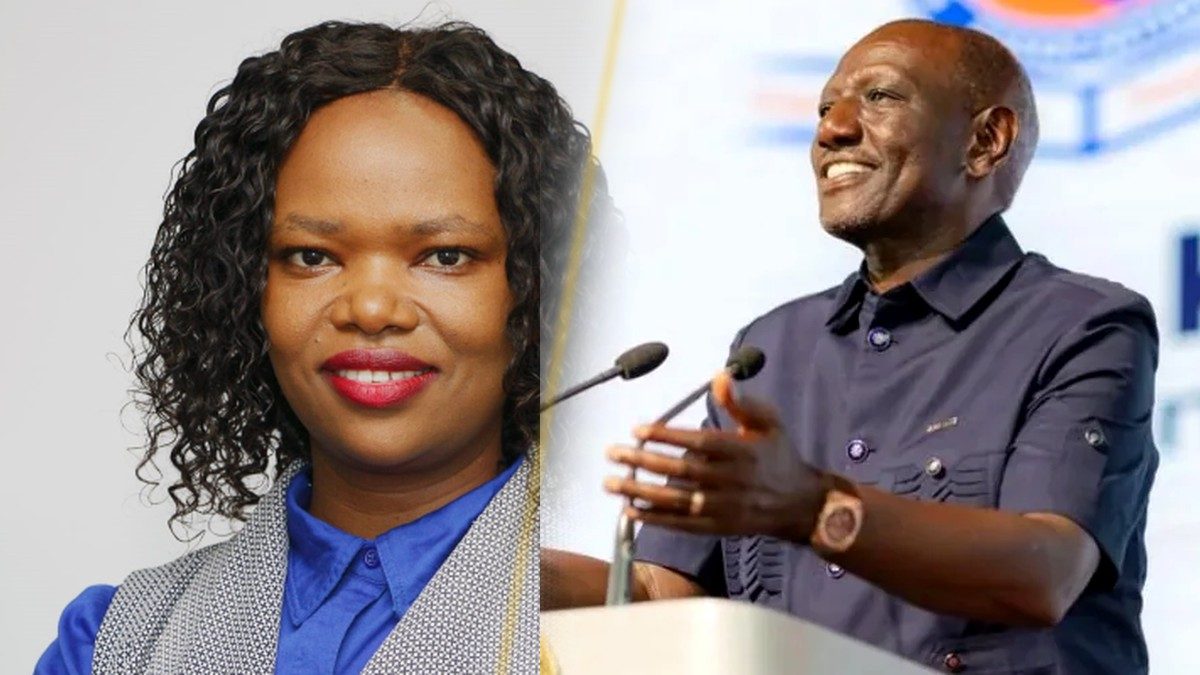
Some of today's school heads say they first ran a school at 30. For a teacher who is 30 now, that rarely happens. The National Gender and Equality Commission (NGEC) says only 65 of Kenya's roughly 21,000 public primary schools are headed by someone under 35.
"Only 65. You can count them one by one, up to 65. Those are the only schools led by young people," NGEC chief executive Dr Purity Ngina told head teachers at the Kenya Comprehensive School Heads Association (KECSHA) conference in Mombasa.
A third of the workforce, almost none of the offices
The figure comes from the commission's equality audit of the teaching workforce, published earlier this year as the Teachers of Kenya report. It found that teachers aged 18 to 34 make up roughly a third of the profession. Nation put the figure at 32.5 per cent, and The Star reported 31.8 per cent when the report was released in July.
The audit covered more than 425,000 TSC teachers in over 34,600 public institutions. It also found other gaps in leadership:
- women are 50.2 per cent of TSC teachers but hold only 27 per cent of headship positions
- only 2.5 per cent of teachers come from marginalised communities
- teachers with disabilities make up 1.7 per cent, below the constitutional minimum of 5 per cent
Dr Ngina said this helps explain the frustration among young teachers. "That explains why young people are not happy with us, because they know they have the capacity and capability to lead," she said.
"I have heard stories of some of you who have said, 'I became a head teacher when I was 30.' So why are we not giving young people the responsibility to lead?" she asked the audience.
What the commission wants
The audit recommends:
- piloting leadership and career-development programmes for young teachers
- reviewing promotion criteria that may hold them back
A new career ladder
Acting TSC chief executive Dr Evaleen Mitei told the conference that the commission's revised career progression guidelines now have two separate tracks, one for classroom teachers and one for school administrators. She said every teacher can rise to the top of either ladder if they meet the requirements. The aim is to end years of stagnation for teachers stuck in the same job group.
KNUT Secretary-General Collins Oyuu said younger teachers want autonomy, recognition and a say in decisions. "The wisdom of experienced teachers should not be lost, while the creativity and technological competence of younger teachers should not be suppressed," he said.
The Gen Z factor
The debate comes as a new generation of junior school teachers, many hired in the last three years, has become a loud voice in the profession. They have used social media to push the government and the unions on pay, postings and promotion. President William Ruto closed the conference on Thursday. He announced a Sh4 billion package that he said would allow 50,000 teachers to be promoted.
Whether any of those promotions put young teachers in the head's office remains to be seen.
Photos: Strathmore University (Dr Purity Ngina); PCS via Eastleigh Voice (President Ruto at the KECSHA conference, Mombasa, November 12, 2026). Thumbnail design: HAMASTA MEDIA.
Every moment, captured beautifully.
Events, corporate portraits, products and editorial shoots by our newsroom photographers.





More in Education
See all
Bandits, early marriage and poverty keep millions of Nigerian children out of school

Makini Schools to spend Sh600m expanding Runda campus as premium demand grows

TSC names Cheptumo Ayabei as new Secretary and CEO after months-long search

Homa Bay KCSE candidate dies days after allegedly drinking ethanol in school lab
Master's now or work first? A Kenyan graduate's guide to HELB postgraduate funding and the big international scholarships

Global Community Remarks
0