
Fewer than five in every 100 State buyers are on it: Treasury's e-procurement system is being snubbed, even as Ruto holds it up as proof of his graft fight
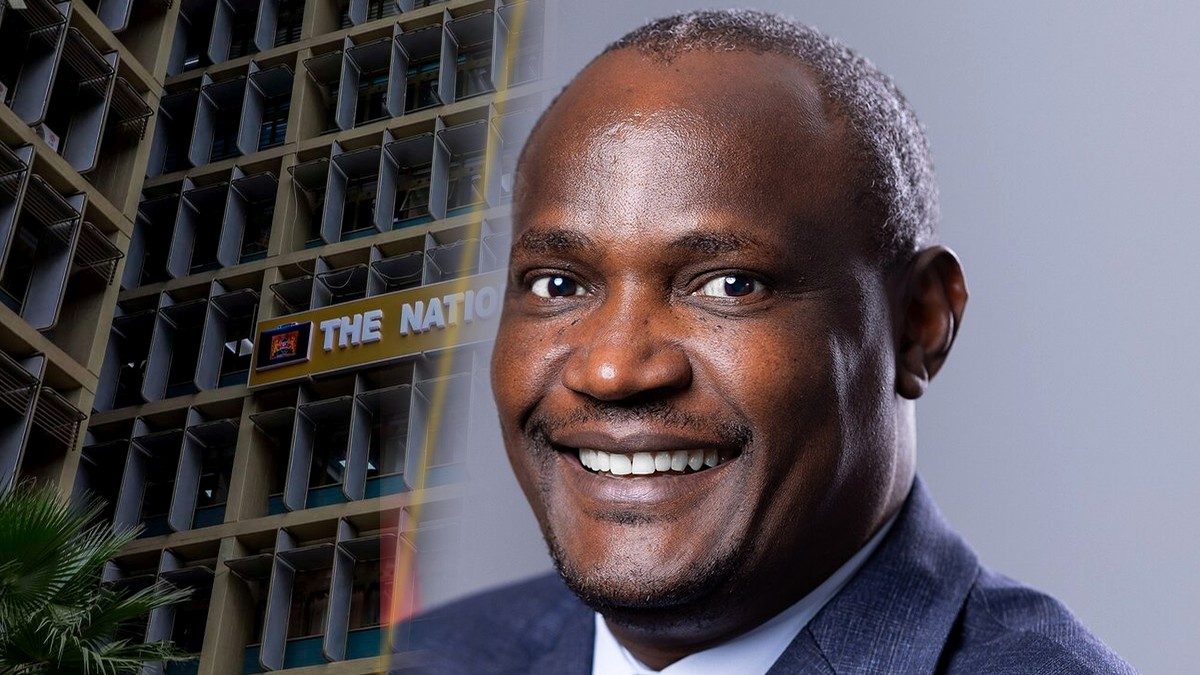
On Sunday in Narok, President William Ruto pointed to the government's electronic procurement system as proof that his administration is closing the taps on corruption. The Treasury's own figures tell a harder story: more than 95 in every 100 public bodies that buy goods and services are still not using it.
Data from the National Treasury, reported by the Business Daily, shows that only 1,546 procuring entities had joined the electronic Government Procurement (e-GP) platform by the end of June 2026. That is less than five per cent of the estimated 35,400 ministries, counties, State agencies and other public buyers expected to use it.
A mandatory system most buyers ignore
The Treasury made e-GP compulsory for all public procuring entities last year, with the rollout starting in April 2025. The platform publishes tender notices and contract awards online, accepts bids electronically and is linked to the Kenya Revenue Authority so that suppliers who dodge taxes can be flagged.
Even among the agencies that have signed up, use is thin. Only 687 of the 1,546 registered entities, or 44.7 per cent, published annual procurement plans, and just 46 published disposal plans. About 4,471 contracts worth Sh18.2 billion were awarded through the system in the year to June 2026, a small share of public purchases estimated at more than Sh1 trillion a year.
The Treasury has blamed resistance from users, court cases and a lack of money for the rollout. Linking e-GP to the IFMIS payment system has also been slow, pushing some agencies to buy outside the platform. Counties, whose governors had earlier asked the Treasury to stop enforcing the system, were found in a Treasury survey to be using it more than three times as much as State departments.
Treasury Cabinet Secretary John Mbadi admitted earlier this month that sign-ups alone mean little. "The real measure of success is the extent to which public entities consistently use the system, procurement becomes more competitive and citizens obtain better value from public expenditure," he said, adding that entities yet to join would get priority attention.
Why it matters now
The figures land in the middle of a heated row over the World Bank's November Kenya Economic Update, which uses the Standard Gauge Railway as a case study of how direct contracting and opaque deals raise costs. The Bank estimates Kenya could have saved up to US$900 million (about Sh117 billion) had the Mombasa-Nairobi line been built at the per-kilometre cost of Tanzania's Dar es Salaam-Dodoma railway.
Capital FM reports the World Bank also found that while public procurement is worth about 10 per cent of GDP, only Sh410 billion of spending in 2024/25 had any procurement information published, and fuller details such as contract amounts and winning bidders were available for just Sh186 billion.
In Narok, Ruto said he agreed with the report's call to step up the fight against graft. He cited eCitizen and the e-GP system as reforms that had improved transparency, and argued that the Nairobi-Mombasa SGR was built under a previous administration.
What changes next
- The second phase of the rollout is meant to bring in schools and other smaller procuring entities.
- Full links with IFMIS, the Business Registration Service, KRA's iTax, the National Construction Authority and the AGPO programme for youth, women and persons with disabilities are still pending.
For the thousands of small businesses that depend on government tenders, the stakes are simple: a system that only a few buyers use gives them little extra protection against rigged or inflated deals.
Photos: Nation Media Group/Business Daily (National Treasury building); Government of Kenya via Wikimedia Commons (public domain, CS John Mbadi). Thumbnail design: HAMASTA MEDIA.


Take your event live to thousands.
Multi-camera live streams, panel discussions and digital broadcasts with professional crews.




More in Business
See all
KUSCCO Mutual Assurance Statutory Management Extended to December 31
Equity Group nine-month profit rises 32pc to Sh71.5bn on income growth
Treasury Proposes Car Loan and Mortgage Fund for TSC Secretariat Staff

Nigerian fintech Payaza enters Kenya after securing CBK payment licence

Family Bank nine-month profit jumps 69pc to Sh6.07bn on stronger lending
Global Community Remarks
0