
Sh69 billion chasing Sh28 billion in T-bills, but only Sh3.8 billion for a 10-year bond: Why investors are betting that interest rates are about to rise
Given the choice between lending to the government for a few months or locking up their money for a decade at a lower rate, Kenyan investors have made their feelings plain: they want short-term paper, and they want higher returns.
The Central Bank of Kenya's (CBK) weekly bulletin for the week to November 12 shows the Treasury bill auction drew bids of Sh69.3 billion against an advertised Sh28 billion, a performance of 247.3 per cent. Days earlier, a switch auction meant to move investors into a 10-year bond raised only Sh3.78 billion of a Sh10 billion target, an uptake of under 38 per cent.
Why the switch flopped
The CBK had offered holders of a five-year bond maturing in July 2028, and of Treasury bills maturing on November 26, the chance to move into a 10-year paper. The catch, analysts told the Business Daily, was the price: the five-year bond pays 16.84 per cent a year, while the destination bond pays 12.28 per cent.
"It made sense for holders of the five-year security to continue with the return of 16.8 per cent for another 20 months," a fixed income dealer told the paper, noting the longer bond offered only 15 more months at a much lower rate.
Only Sh785.25 million came from five-year bondholders, with most of the rest, Sh3.07 billion, from holders of 91-day bills. That compares with Sh9 billion and Sh11 billion raised in the October and September switch sales against similar targets.
The bet on higher rates
The bigger signal is where investors think rates are heading. October inflation hit a 40-month high of 7.3 per cent on fuel, food and transport costs, piling pressure on the CBK to raise its benchmark rate. In a recent sale of reopened 15- and 30-year bonds, investors demanded about 14.17 per cent on the 30-year paper that pays 12.5 per cent, forcing the CBK to sell it at a discount of Sh10.61 for every Sh100.
Rate rises abroad add to the squeeze. The US Federal Reserve raised its rate in September and the Bank of England did the same on November 5, making their bonds more attractive and pulling money away from frontier markets like Kenya. Rates on the 91-, 182- and 364-day bills eased marginally in the latest auction, the bulletin said.
The rest of the week in numbers
- Forex reserves fell US$94 million to US$14.605 billion, still enough for 5.9 months of imports, above the four-month legal minimum.
- The shilling held at Sh129.96 to the dollar on both November 5 and November 12, edging slightly weaker against the Uganda shilling.
- Diaspora remittances in October were US$430.5 million, down 1.9 per cent from a year earlier.
- At the Nairobi Securities Exchange the NASI dipped 0.02 per cent, while equity turnover fell 96.22 per cent.
- Murban crude eased to US$90.07 a barrel from US$94.04 as fears of a wider Middle East war cooled.
What it means for you
For savers, short-term government paper is still paying well and is in heavy demand. For borrowers the message is less comforting: if the CBK moves its base rate up to fight inflation, banks are likely to follow with dearer loans.
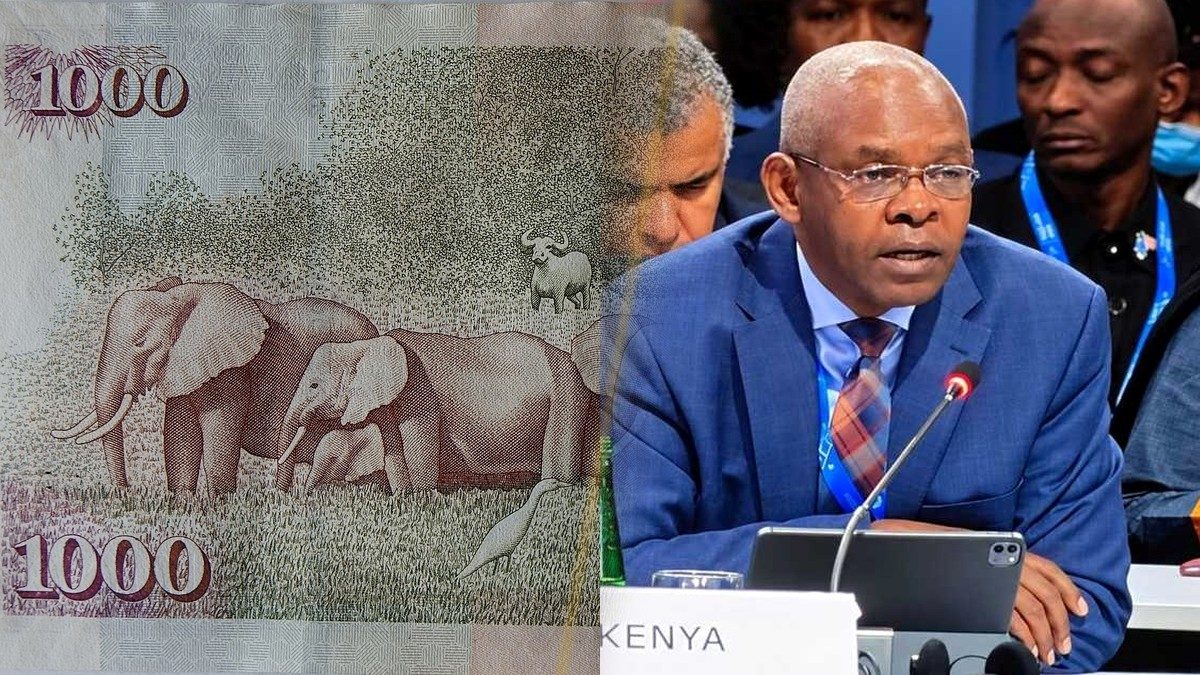
Photos: Ahandrich via Wikimedia Commons (CC0, Sh1,000 note); CBK Governor Kamau Thugge, CBK/Rodworks via Tuko. Thumbnail design: HAMASTA MEDIA.


Take your event live to thousands.
Multi-camera live streams, panel discussions and digital broadcasts with professional crews.




More in Business
See all
KUSCCO Mutual Assurance Statutory Management Extended to December 31
Equity Group nine-month profit rises 32pc to Sh71.5bn on income growth

Treasury Proposes Car Loan and Mortgage Fund for TSC Secretariat Staff

Nigerian fintech Payaza enters Kenya after securing CBK payment licence
Family Bank nine-month profit jumps 69pc to Sh6.07bn on stronger lending

Global Community Remarks
0