
From fishing nets to shipyards: Kenya drafts VAT exemptions and levy waivers to lure investors to its 640km coast and 10,700 sq km of lakes
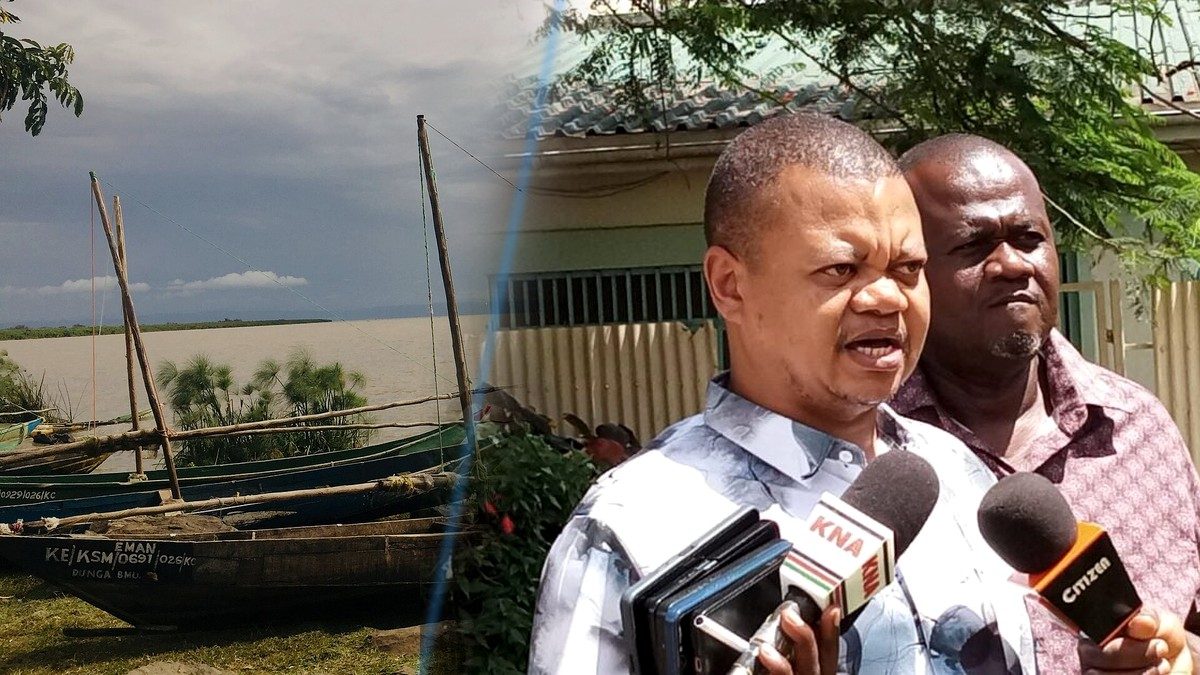
Fishermen on Lake Victoria who cannot afford new nets and investors weighing a shipyard at the Coast are both meant to benefit from a new package of incentives the government is drafting to unlock Kenya's waters.
The State Department for Shipping and Maritime Affairs and the Kenya Maritime Authority (KMA) presented the draft Kenya Maritime Investment Policy and Incentives Regime to stakeholders in Kisumu on Friday, November 13, Capital FM reports. It is the latest stop in a nationwide public participation drive.
"The policy seeks to make Kenya an attractive destination for both domestic and also for foreign investors," said Joseph Kabeku, KMA's Director of Maritime Trade and Development.
What investors could get
The proposed fiscal incentives include:
- Capital allowances on qualifying investments
- Value Added Tax (VAT) exemptions
- Relief from the railway development levy and the import declaration fee
Non-fiscal measures would include new infrastructure, simpler documentation, better operating procedures and changes to the laws governing maritime investment.
The policy covers fisheries, ports, maritime transport and logistics, shipbuilding, ship repair and recycling, container manufacturing, ship bunkering, maritime training, safety and security, and green energy.
Big waters, little investment
Gideon Mwangi, Director of Planning at the State Department, said the country has barely tapped its marine and inland resources. He cited the roughly 640km coastline and Kenya's Exclusive Economic Zone, as well as about 10,700 square kilometres of inland waters including Lake Victoria, Lake Naivasha and Lake Baringo.
"These areas have huge resources. We have fish. We have minerals. We have other resources that have not been exploited to date," Mwangi said.
He said the incentives would cater for both large investors and small operators such as fishermen who need affordable gear, and singled out Beach Management Units (BMUs) as key voices in shaping the policy. Access to finance, he added, would decide how many ordinary players can take part.
Who has been heard so far
Consultations have already been held in Lamu, Kwale, Mombasa, Kilifi, Nakuru and Naivasha, with Turkana set to host the final session. In Lamu, the Kenya News Agency reported, State Department official Fauzia Suleiman urged that the policy prioritise local investors and address tax regimes that discourage enterprise, and asked that stakeholders be given enough time to review the documents.
The government says it wants views from women, young people and persons with disabilities before the policy is finalised. Written memoranda can be sent through the websites of the State Department for Shipping and Maritime Affairs and KMA.
What happens next
The incentives are still a draft and none of the tax breaks is law yet. Any VAT exemption or levy waiver would have to go through the National Treasury and Parliament, which in recent budgets have been keener to remove exemptions than to add new ones. For lakeside fishermen and coastal entrepreneurs, the test will be whether the final policy reaches them or stops at the big port operators.
Photos: Juneakhwale via Wikimedia Commons (CC BY-SA 4.0, boats at Dunga Beach, Kisumu); Capital FM (KMA's Joseph Kabeku at the Kisumu forum). Thumbnail design: HAMASTA MEDIA.


Take your event live to thousands.
Multi-camera live streams, panel discussions and digital broadcasts with professional crews.




More in Business
See all
KUSCCO Mutual Assurance Statutory Management Extended to December 31
Equity Group nine-month profit rises 32pc to Sh71.5bn on income growth

Treasury Proposes Car Loan and Mortgage Fund for TSC Secretariat Staff

Nigerian fintech Payaza enters Kenya after securing CBK payment licence

Family Bank nine-month profit jumps 69pc to Sh6.07bn on stronger lending
Global Community Remarks
0