
Your first job interview after campus: how to prepare for a Kenyan panel, the questions to expect and what to carry
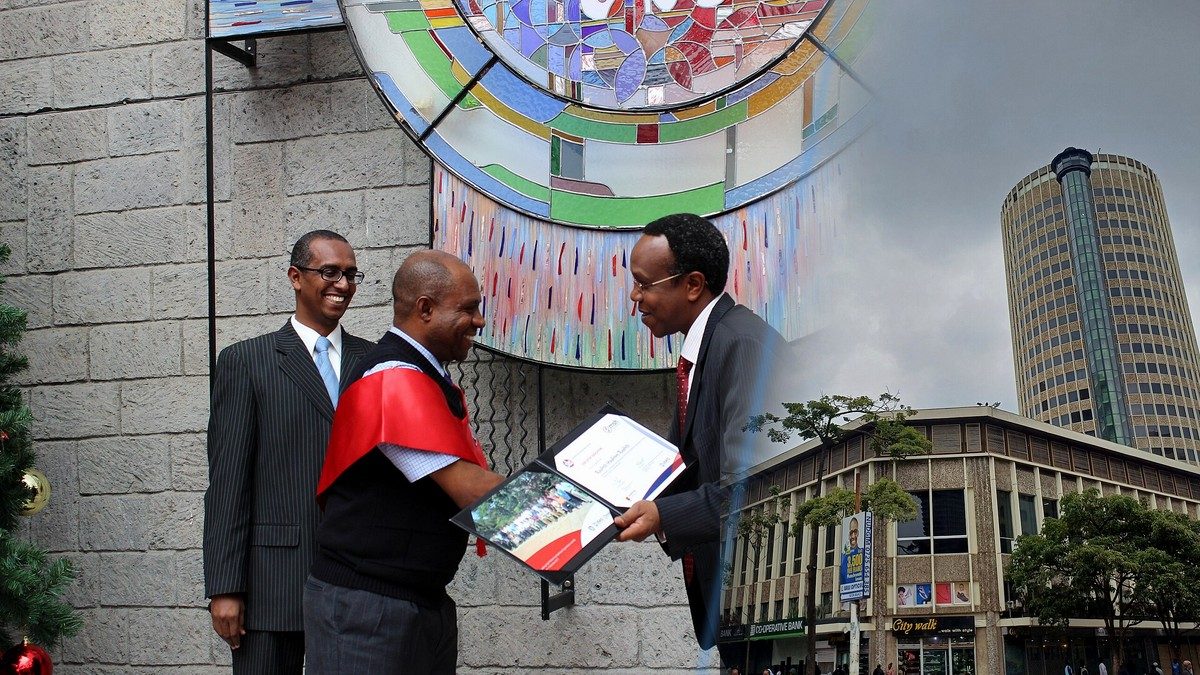
The text message or email says you have been shortlisted. After weeks of applications it feels like a win, and it is. But a shortlist only gets you into the room. What happens in the next 30 to 45 minutes decides whether you get the job, and most of it can be prepared for.
1. Read the shortlist notice carefully
Public bodies such as the Public Service Commission and County Public Service Boards publish shortlists with the date, time, venue and a list of documents to bring. Private employers usually send the details by email. Confirm the venue the day before, plan your transport and aim to arrive early; some notices ask candidates to report 30 minutes before their slot.
2. Research the employer and the role
- Read the job advert again and list each requirement. Prepare one example from your studies, attachment or volunteering for each.
- Read the organisation's website: its mandate, recent projects and leadership. For a county job, know the county's priorities. For a ministry or state agency, know what it does.
- Prepare two questions to ask the panel, such as "What would success look like in the first six months?"
3. Expect a panel
Government and many large private employers interview through a panel of several people. Each member may take a different area: technical questions, integrity, communication. Greet the panel, sit when invited, and look at whoever asked the question while including the others as you answer. It is fine to take a moment to think, or to ask for a question to be repeated.
4. Common questions and how to approach them
- "Tell us about yourself." Give a two-minute summary: your degree, relevant experience and why this role. It is not your life story.
- "Why do you want to work here?" Link what you found in your research to your skills.
- "Describe a challenge you faced and how you handled it." Use the STAR method: the Situation, the Task, the Action you took and the Result.
- "What are your strengths and weaknesses?" Pick a real weakness and show what you are doing about it.
- Technical questions. For an accounts role, expect basics such as reconciliations or tax. For an IT role, a practical problem. Revise your core course units.
- Public service questions. Panels may ask about the Constitution, especially Chapter Six on leadership and integrity, the national values and principles of governance, or devolution for county posts. Read the relevant articles beforehand.
5. Aptitude and written tests
Many employers, especially banks and graduate trainee programmes, test candidates before or on interview day. Tests usually cover numerical reasoning, verbal reasoning and logic, and sometimes a short writing task or practical exercise. Practise with free sample tests online, work on your speed and read every instruction. For online tests, use a reliable connection and a charged device.
6. What to wear and what to carry
Dress cleanly and conservatively: a well-fitting suit or smart official wear works for most interviews. Clean, comfortable shoes matter more than expensive ones.
Carry a folder with:
- Your national ID and the original academic certificates and transcripts, plus copies
- Your KCSE certificate, testimonials and any professional certificates
- Copies of your CV and the job advert
- A pen and a notebook
For public service and many county jobs, shortlist notices often ask for clearances showing compliance with Chapter Six of the Constitution. Typical ones are a tax compliance certificate from KRA, a HELB clearance or compliance certificate, an EACC self-declaration form, a report from a licensed credit reference bureau (CRB), and a Certificate of Good Conduct from the DCI. Requirements differ from one notice to another, so follow the list in yours. Some of these take days to process, so apply as soon as you are shortlisted, or better, before.
7. The salary question
Public service adverts usually state the job grade or salary scale, so the pay is set and there is little to negotiate. In the private sector you may be asked, "What are your salary expectations?" Research the market beforehand by asking people in the industry and checking published salary surveys, then give a reasonable range rather than a single figure. It is acceptable to say you are open to discussing the full package, including medical cover and allowances.
8. After the interview
Send a short thank-you email within 24 hours to the contact person: thank the panel for their time, mention one thing you discussed and restate your interest. Then be patient. If you do not get the job, it is fine to ask politely for feedback. Every interview is practice for the next one.
One rule never changes: no genuine employer asks you to pay money to be interviewed, shortlisted or hired. The Public Service Commission states that it does not charge for any of its services.
Quick checklist
- Shortlist notice read; venue and time confirmed
- Employer researched; an example ready for each job requirement
- Two questions ready for the panel
- Originals and copies of ID, certificates and transcripts in a folder
- Chapter Six clearances applied for early, if required
- Salary range researched
- Thank-you email sent within 24 hours
Photos: Cnjoki (Strathmore Business School graduation, CC BY-SA 4.0) and DesiBoy101 (Corner House and Hilton, Nairobi, CC BY 4.0), via Wikimedia Commons. Thumbnail design: HAMASTA MEDIA.


Grow an audience that listens.
Social media management, digital campaigns and online storytelling that converts.



More in Education
See all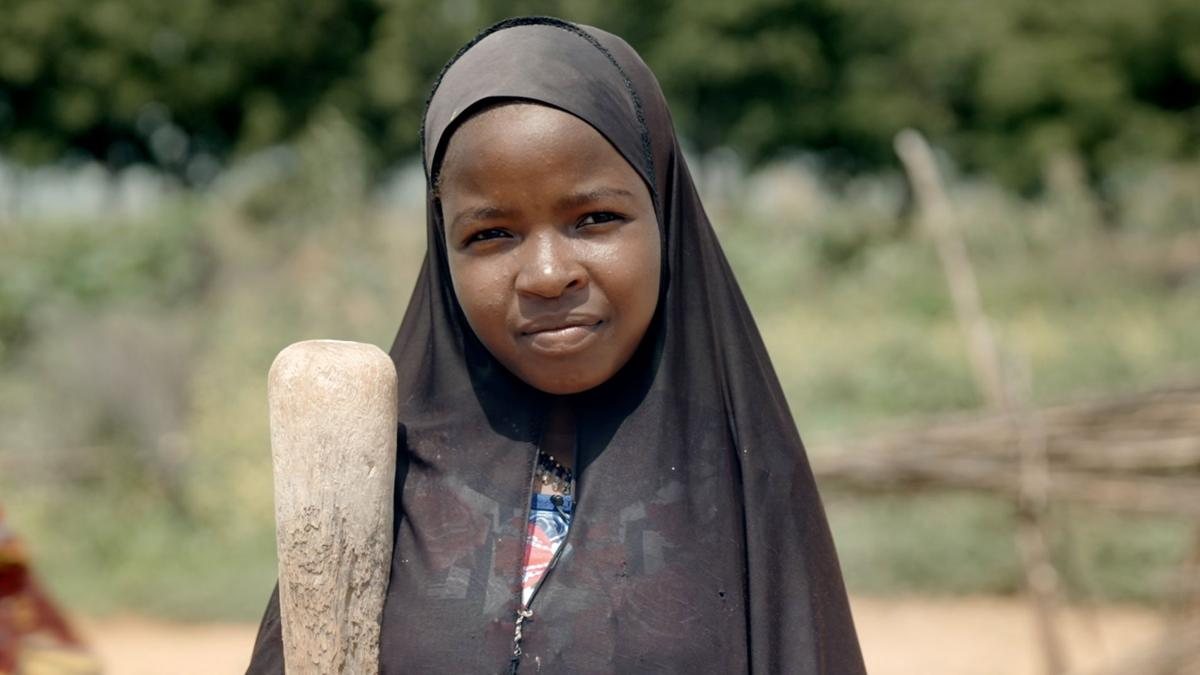
Bandits, early marriage and poverty keep millions of Nigerian children out of school
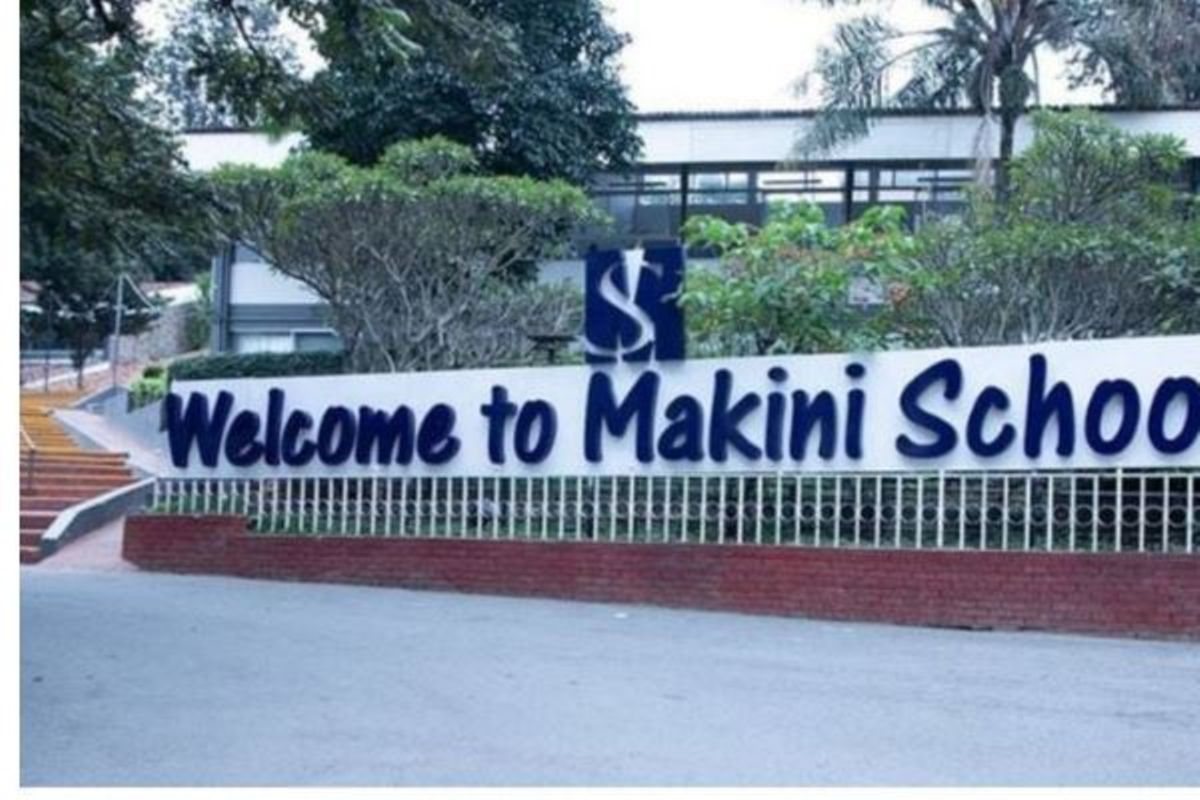
Makini Schools to spend Sh600m expanding Runda campus as premium demand grows
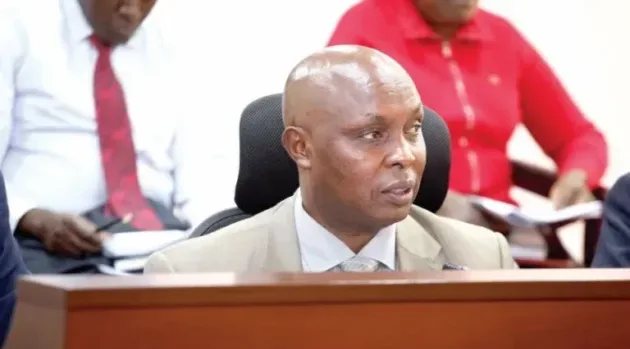
TSC names Cheptumo Ayabei as new Secretary and CEO after months-long search

Homa Bay KCSE candidate dies days after allegedly drinking ethanol in school lab
Master's now or work first? A Kenyan graduate's guide to HELB postgraduate funding and the big international scholarships

Global Community Remarks
0