
NTSA Moves Reflective Number Plate Applications to eCitizen in Three Steps
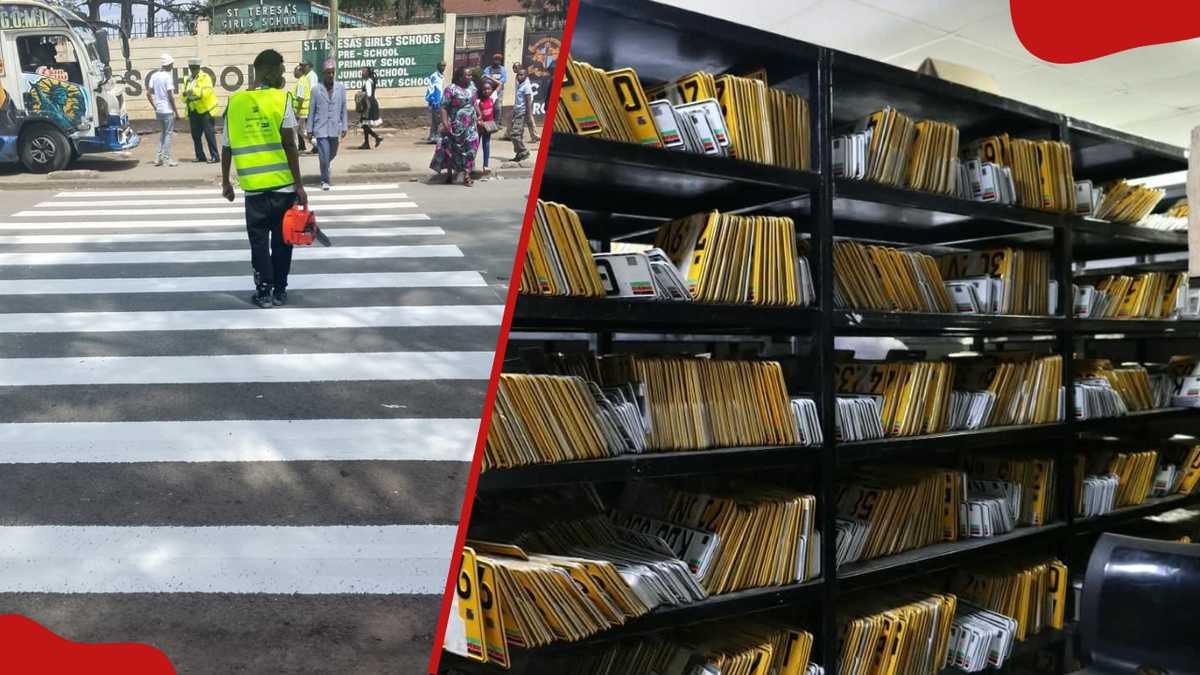
The National Transport and Safety Authority (NTSA) has shifted applications for reflective number plates fully online, placing the service on the government's eCitizen platform in an effort to cut the long queues seen at its offices around the country, according to Tuko.
The authority made the announcement on its official social media pages, asking motorists to sign in to eCitizen and go to the NTSA services section to lodge their applications.
How to apply in three steps
According to the guidance shared by NTSA, the process is broken into three stages:
- Step one: Log in to an eCitizen account, open the NTSA portal, pick the vehicle in question and click "View".
- Step two: Go to "motor vehicle services", choose "reflective plate", decide whether you need one plate or a pair, and select the counter office where you would like to collect them.
- Step three: Merge all supporting documents into one PDF file and attach it, tick the declaration box, preview and submit the application, then pay.
Once payment has been confirmed, applicants receive an SMS informing them when to collect their plates.
Costs and timelines
One reflective number plate costs KSh 1,550, while a pair goes for KSh 3,050. NTSA says plates will be processed and delivered within seven working days of a successful application and payment.
Relief for fleet operators
The change is expected to matter most to businesses that run large numbers of vehicles, such as logistics companies, tour firms and matatu SACCOs. Until now, such operators often had to send staff to NTSA offices in person to sort out plate replacements.
Tuko reports that fleet owners stand to benefit from less time with vehicles off the road and lower administrative costs.
The move also fits into the government's wider plan to bring more than 5,000 public services onto eCitizen as part of Kenya's digital economy agenda.
Road safety angle
Reflective plates are meant to keep vehicles visible to other road users and to traffic police at night or in poor weather. By making genuine plates easier to obtain, NTSA hopes to curb the use of illegal or obscured plates, which have in the past been linked to motorists trying to dodge speed cameras and traffic enforcement.
Possible hurdles
The success of the online system, however, will hinge on how reliably eCitizen and NTSA's backend systems perform. Tuko notes that earlier digitisation drives in other government sectors were hit by system outages and failed payments.
Gaps in digital literacy and patchy internet access, especially among motorists in rural areas, may also mean NTSA has to keep physical help desks open while the transition takes effect.
Wider debate on enforcement
The shift comes as Mass Mobility Operators Association chief Wilfred Bosire has criticised NTSA's policy of removing number plates, warning that heavy traffic fines could encourage bribery.
NTSA is meanwhile intensifying its festive-season crackdown on uninsured, unlicensed and drunk drivers, including night-time operations aimed at some of the riskiest hours on Kenyan roads.
This story was prepared by the Hamasta Newsdesk with AI assistance, based on reporting by Tuko. Read the original report. Photo: Tuko.




Show the impact of your work.
Impact stories, campaign videos and community engagement for NGOs and programmes.

More in Business
See all
KUSCCO Mutual Assurance Statutory Management Extended to December 31

Equity Group nine-month profit rises 32pc to Sh71.5bn on income growth
Treasury Proposes Car Loan and Mortgage Fund for TSC Secretariat Staff

Nigerian fintech Payaza enters Kenya after securing CBK payment licence

Family Bank nine-month profit jumps 69pc to Sh6.07bn on stronger lending
Global Community Remarks
0