
Unpaid government bills climb to Sh523.7bn, squeezing small suppliers
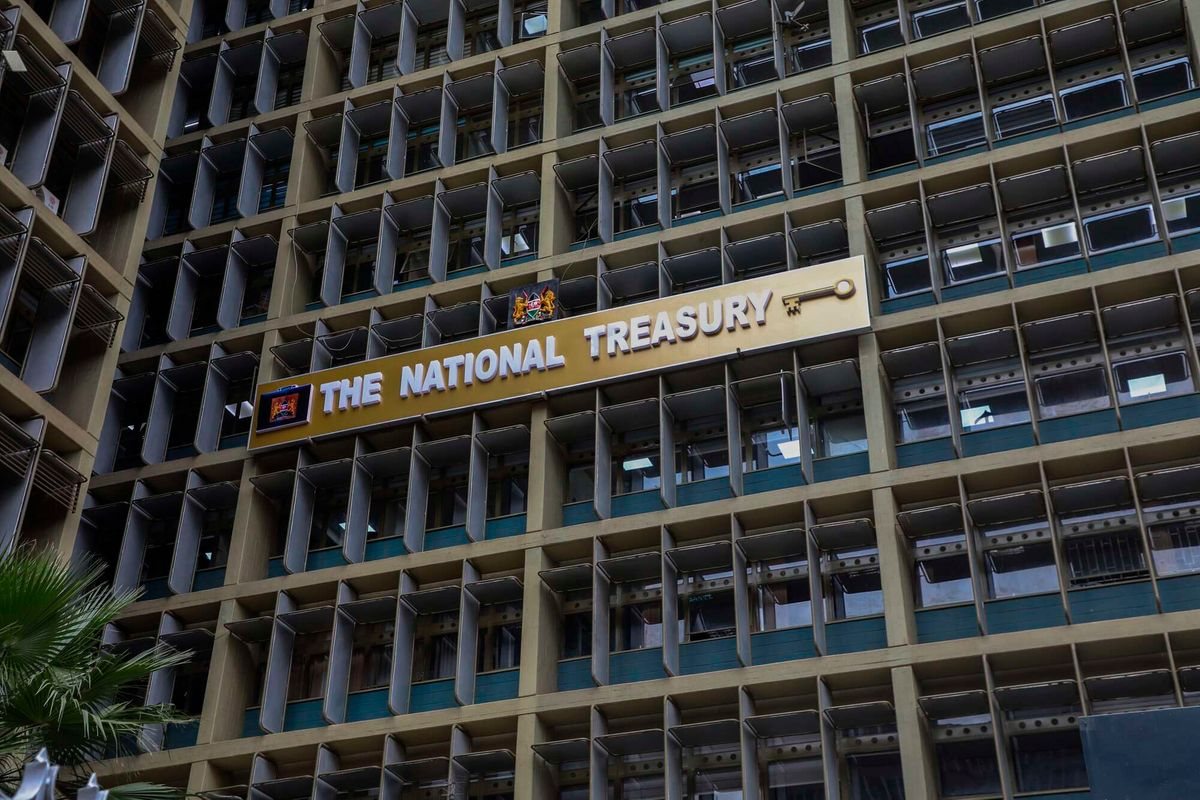
The amount the national government owes to suppliers and contractors has climbed back above Sh500 billion, adding to cash-flow strain on small and medium-sized businesses that depend on State contracts.
Pending bills stood at Sh523.7 billion at the end of September, up 11.7 percent from Sh468.5 billion in December 2025, according to National Treasury data reported by Business Daily. The increase reverses an earlier decline and suggests that new unpaid supplier bills are building up.
It is the first time the stock of arrears has crossed the Sh500 billion mark since September 2025.
State corporations hold the bulk
In its latest quarterly economic and budget review, the Treasury said State corporations accounted for Sh418.7 billion of the outstanding amount, while ministries and State departments owed Sh105 billion.
The arrears held by State corporations cover payments due to contractors and suppliers as well as unremitted statutory deductions and pension dues. Recurrent bills make up 56.1 percent of the corporations' arrears, with the remaining 43.9 percent owed to contractors on development projects.
Bills owed by ministries, State departments and other agencies are largely historical, the Treasury said.
Despite the latest rise, the total remains below the peak of Sh630.6 billion recorded in September 2023.
Knock-on effect on lenders
Because the government is the country's biggest spender, many small and medium enterprises compete for its tenders. Delayed payments have spilled into the banking sector, Business Daily reported, as affected firms fall behind on loans, leading to rising non-performing loans, repossession of assets and listings with credit reference bureaus.
The rise in arrears comes even as the government steps up payment of verified claims, having paid out more than Sh80 billion to road contractors.
Verification and payment plan
The Pending Bills Verification Committee, set up in November 2023 and which has since completed its work, examined 91,911 claims worth Sh637.6 billion. It recommended 29,885 claims, valued at Sh235.6 billion, for payment.
About Sh80.3 billion of the recommended amount has been settled through securitisation in the road sector, leaving a verified balance of Sh155.3 billion in other sectors.
The Treasury says it will clear this balance in phases over two years starting in the current financial year, using a mix of direct budget allocations and securitisation.
In its draft Budget Policy Statement, the Treasury proposes setting aside Sh68 billion in the 2026/27 financial year to pay verified bills, prioritising claims of up to Sh100 million while making partial payments on larger ones.
The Treasury estimates that the allocation would clear 99 percent of verified outstanding claims by number and about 63 percent by value. The rest would be handled through other budget provisions and financing instruments.
Cabinet approval for smaller claims
Last month, the Cabinet approved payment of pending bills of Sh50 million and below. The Treasury is expected to provide for the payments in its first supplementary budget for the 2026/27 financial year, due later this month.
The plan would cover 28,726 verified bills worth Sh23.74 billion, representing 98 percent of the 29,257 claims recommended for settlement in that category.
In an October 9 dispatch, the Cabinet said micro, small and medium enterprises would be prioritised, "particularly those owned by women, young people and persons with disabilities."
The government maintains that clearing verified arrears is central to fiscal discipline, improving liquidity in the private sector and rebuilding trust in public finance management.
This story was prepared by the Hamasta Newsdesk with AI assistance, based on reporting by Business Daily. Read the original report. Photo: Business Daily.


Take your event live to thousands.
Multi-camera live streams, panel discussions and digital broadcasts with professional crews.




More in Business
See all
KUSCCO Mutual Assurance Statutory Management Extended to December 31
Equity Group nine-month profit rises 32pc to Sh71.5bn on income growth
Treasury Proposes Car Loan and Mortgage Fund for TSC Secretariat Staff

Nigerian fintech Payaza enters Kenya after securing CBK payment licence

Family Bank nine-month profit jumps 69pc to Sh6.07bn on stronger lending
Global Community Remarks
0