
Treasury cuts CBK overdraft by Sh90bn after tapping idle cash in state accounts
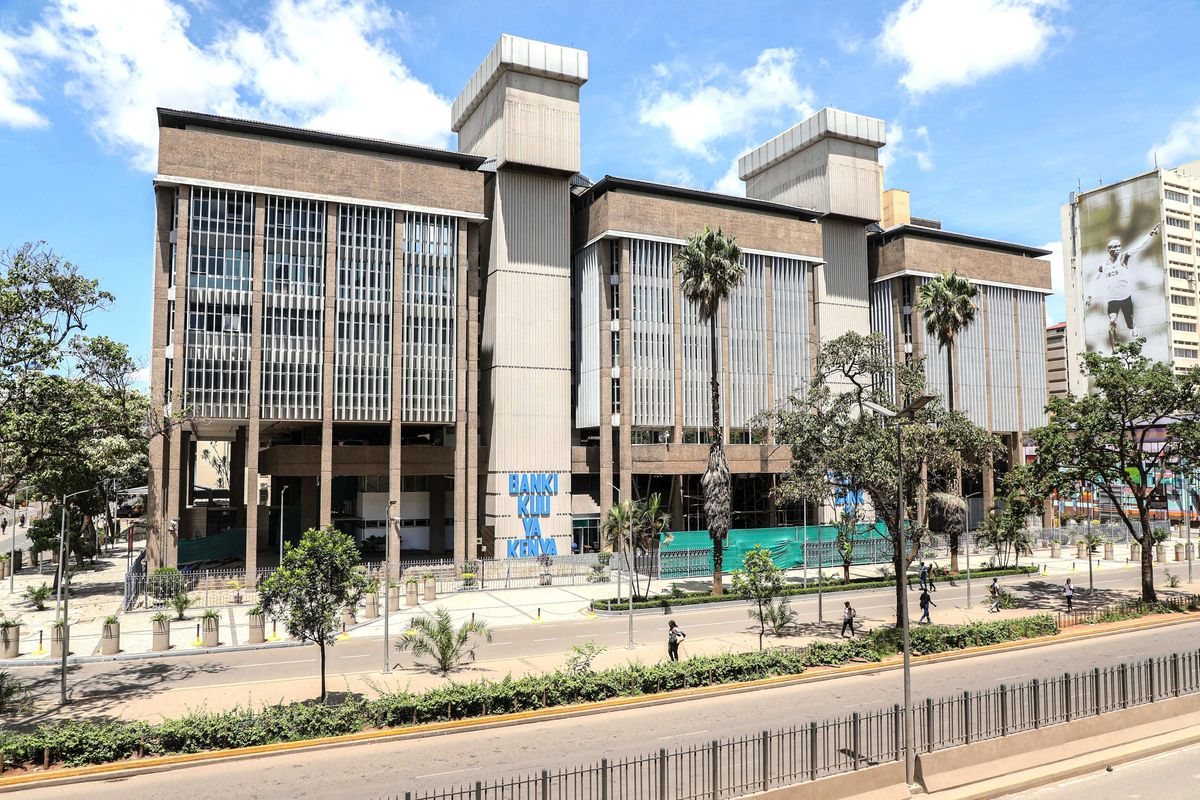
The National Treasury has reduced its overdraft with the Central Bank of Kenya (CBK) by about Sh90 billion. The cut follows a reform that pools the bank balances of state departments and agencies into a single account, giving the Treasury access to idle public cash, according to Business Daily.
Recent CBK data show the outstanding balance on the facility has stood at Sh50 million for the past month. It was Sh90.99 billion at the start of the fiscal year in July.
The drop is expected to save the government billions of shillings in interest. The Treasury has used the overdraft to cover routine spending such as salaries and office supplies.
A costly stop-gap
The overdraft is a short-term facility meant to bridge funding gaps. These gaps can arise when Treasury bills fall due for redemption or when government spending creates mismatches in cash flow. The State has usually carried a balance running into billions of shillings.
Borrowing on the facility is charged at the prevailing central bank rate, now 8.75 percent. Any amount drawn must be repaid within 12 months.
The Treasury can borrow up to five percent of the most recently audited annual national revenue. Business Daily reports that this cap is currently about Sh114 billion, based on 2025/2026 revenues.
How the single account works
Reliance on the overdraft has fallen even though the budget deficit has widened and revenue has fallen short of targets. The change came after the Treasury began using cash held in ministry and agency accounts under the Treasury Single Account (TSA) system.
Kenya uses a hybrid model of the TSA. Government entities keep transaction accounts, but their balances are moved into the main TSA account at the CBK at the end of each day.
The Treasury reported the savings in its Draft Budget Policy Statement, published on October 30. It said the cost of overdraft financing from the CBK fell by 61 percent in the 2025/26 financial year.
"The (TSA) reform has already yielded savings," the National Treasury said.
According to the Treasury, the system brings government banking under one arrangement and cuts idle balances in commercial banks. It also gives timely visibility of public cash and helps clear pending bills in order, by paying invoices according to their age.
All ministries, departments and agencies moved to the TSA from July 2025, completing the first phase. County governments are being moved onto the system in the current fiscal year.
Government enterprises with operational independence are excluded. Semi-autonomous government agencies, which budget and make payments without going through their parent ministries, are also left out for now. They will join the system once their budgeting, legal and operational processes have been reviewed.
Lower interest bill
The Controller of Budget reported that interest payable on the overdraft was Sh3.15 billion in the 2025/2026 fiscal year. That was down from Sh7.44 billion the year before.
Two factors explain the lower charge. The government borrowed less on the facility, and the central bank rate was cut step by step from 13 percent in August 2024 to its current 8.75 percent.
The overdraft is still more expensive than the 91-day Treasury bill, which currently yields 8.74 percent. The government also recovers 15 percent of the return on Treasury bills through withholding tax.
Inflation concerns
The facility also carries risks beyond its cost. It pumps money into the economy in ways that can make it harder to control inflation and run monetary policy.
Economists have warned in the past that heavy use of the overdraft amounts to printing money, with the inflation risks that come with it.
This story was prepared by the Hamasta Newsdesk with AI assistance, based on reporting by Business Daily. Read the original report. Photo: Business Daily.

Tell your story on screen.
Commercials, documentaries, interviews and social video, from script to final cut.





More in Business
See all
KUSCCO Mutual Assurance Statutory Management Extended to December 31
Equity Group nine-month profit rises 32pc to Sh71.5bn on income growth
Treasury Proposes Car Loan and Mortgage Fund for TSC Secretariat Staff

Nigerian fintech Payaza enters Kenya after securing CBK payment licence
Family Bank nine-month profit jumps 69pc to Sh6.07bn on stronger lending
Global Community Remarks
0