
No, the world will not go dark on November 17: How a blackout hoax went viral
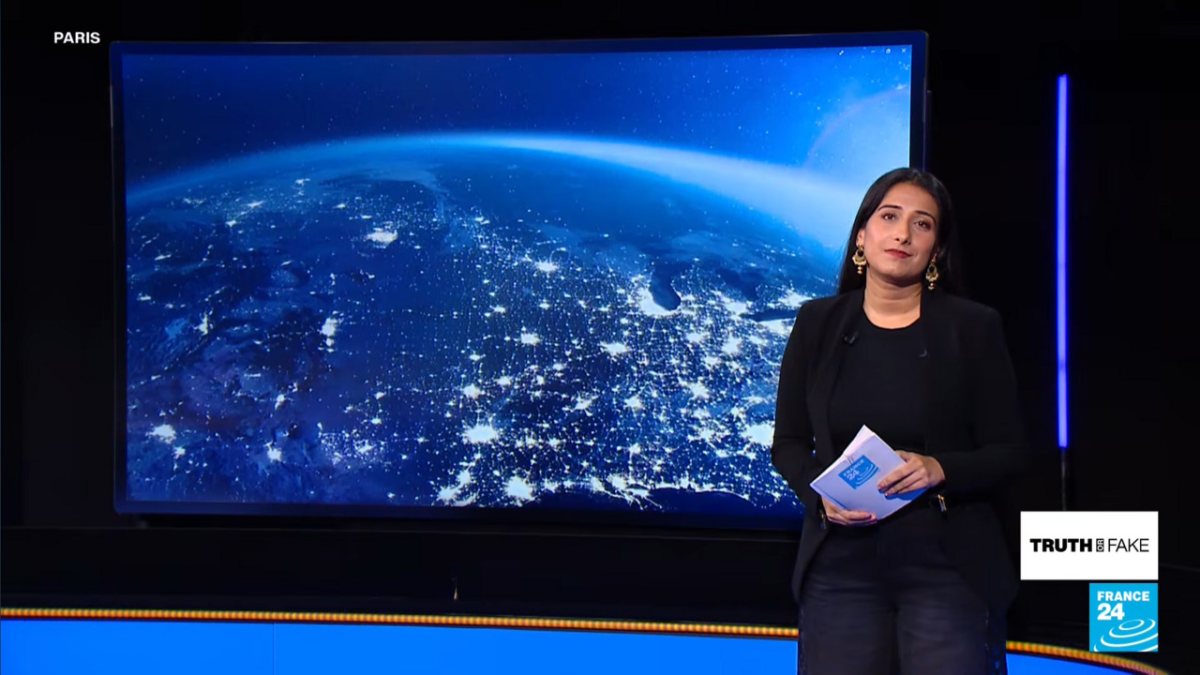
Claims circulating on social media that a worldwide blackout will knock out electricity, internet and banking services on Tuesday, November 17, are false, according to France 24.
There is no evidence of any planned global shutdown. The rumour appears to have grown out of a routine emergency alert test in the United States that was stripped of its context and amplified by conspiracy theorists.
How the rumour started
In recent weeks, posts warning of a so-called "great blackout" have spread on TikTok, X, Instagram and Facebook. Some claim an imminent cyberattack will plunge the world into darkness and urge people to prepare for days without power, internet access or their money.
The date traces back to a genuine announcement by the US Federal Emergency Management Agency (FEMA). Announced in September, the agency plans a nationwide test of the country's Emergency Alert System on November 17 to confirm that emergency messages can be broadcast across the US.
During the exercise, television and radio programmes will be interrupted for roughly one minute by a test message. No power cut or internet shutdown is planned. The test will not send messages to mobile phones, and the public is not required to take any action.
Crypto accounts and The Simpsons
According to France 24, cryptocurrency accounts were among the first to distort the announcement, claiming the test was really preparation for a major cyberattack that would cripple banking systems. Some went further, encouraging people to pull out their savings and put them into cryptocurrency.
The story then crossed borders and languages. Russian-language accounts, for instance, tied the supposed blackout to a genuine European Union recommendation that households keep enough emergency supplies to cope on their own for at least 72 hours.
Conspiracy theorists also pointed to The Simpsons, claiming a 2023 episode had foretold the event. A clip showing the fictional town of Springfield in darkness, with November 17 marked as the date, helped the claim gain momentum. However, the episode does not predict a global outage or cyberattack. Its blackout is caused by a storm, and the dates do not match those being shared online.
Real events fuelling fear
France 24 notes that a series of genuine disruptions has made the hoax easier to believe.
- A major Microsoft outage affected services in at least 70 countries.
- A nationwide ground stop ordered by the US Federal Aviation Administration on Friday disrupted more than 15,000 flights. US officials blamed a failed technology upgrade, not a cyberattack.
- Cyberattacks reportedly hit supermarket refrigeration systems in seven European countries. In France, up to 700 supermarkets were reportedly affected, with rising freezer temperatures causing millions of euros in food losses.
Official preparedness campaigns in Europe have also been recast as warnings of a looming crisis. Beyond the EU's advice to stock food and water for at least 72 hours, the United Kingdom has launched a "Be Ready" campaign encouraging people to keep essential supplies at home.
Anxiety and misinformation
None of these incidents or campaigns points to a planned worldwide blackout on November 17, France 24 says.
Instead, the outlet argues, conspiracy theorists have seized on real-world events to build a convincing-sounding narrative, while the same events have heightened public anxiety, making people more willing to accept such hoaxes as true.
Social media users who come across the claims are advised to check them against official sources before sharing them or acting on calls to move their money.
This story was prepared by the Hamasta Newsdesk with AI assistance, based on reporting by France 24. Read the original report. Photo: France 24.

Tell your story on screen.
Commercials, documentaries, interviews and social video, from script to final cut.





More in Tech
See all
Government Moves to Digitise Marriage, Divorce and Adoption Services Nationwide

California sues OpenAI over AI model's cyberattack on Hugging Face

Ndanu Mutiso Wins Britam Golf Series Finale as 16-Event Regional Tour Ends

Luo elders' trustees set to re-enter disputed Ofafa Hall after Kisumu court ruling
KUSCCO Mutual Assurance Statutory Management Extended to December 31

Global Community Remarks
0