
Only 19% of Kenyan women have ever been screened for cervical cancer, KNBS survey shows
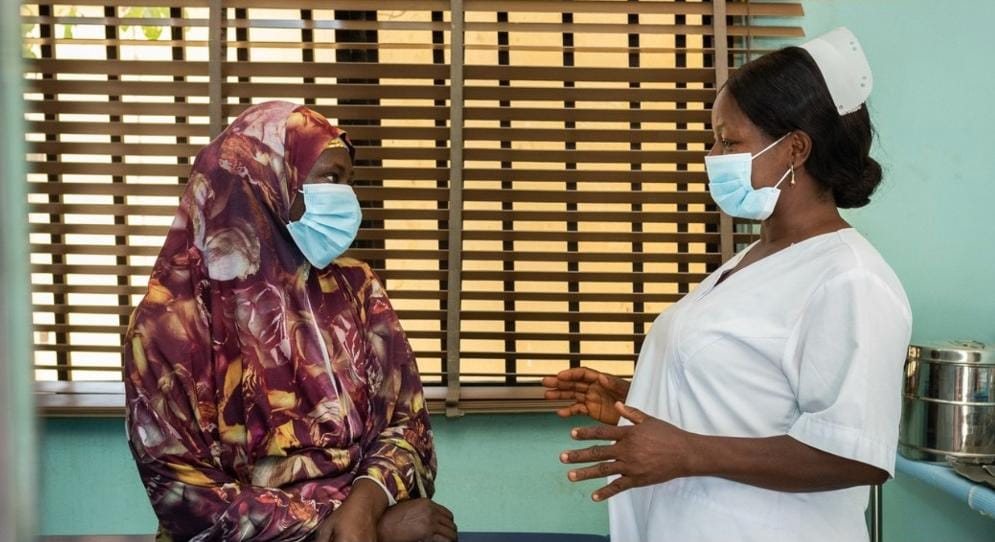
Fewer than one in five Kenyan women of reproductive age have ever been screened for cervical cancer, according to new national survey data reported by KBC as the world marks Cervical Cancer Elimination Day on November 17.
The 2025/2026 Kenya Mini Demographic and Health Survey (KMDHS), conducted by the Kenya National Bureau of Statistics (KNBS), found that only 19 per cent of women aged 15 to 49 have ever been tested for the disease. The figures point to significant gaps in access to early detection across the country.
Urban-rural and county divide
The survey shows women living in towns and cities are somewhat more likely to have been screened than those in rural areas, at 21 per cent compared with 17 per cent.
The differences between counties are far sharper. Tana River, Garissa and West Pokot each recorded screening levels of just 3 per cent. Wajir stood at 1 per cent, while in Mandera fewer than one in a hundred women had ever been screened.
HPV vaccination uneven
On prevention, the survey found that 59 per cent of girls and young women aged 15 to 19 have received at least one dose of the Human Papillomavirus (HPV) vaccine. The vaccine protects against the strains of the virus behind most cervical cancer cases.
"Overall, 59% of women age 15-19 have received at least one dose of the HPV vaccine," the survey states.
According to the report, 48 per cent of women in that age group have ever been issued with an HPV vaccination card.
Coverage, however, differs widely by county. Kitui leads at 88 per cent, followed by Kilifi at 83 per cent, Vihiga at 81 per cent and Kericho at 80 per cent.
At the other end of the scale, Mandera recorded HPV vaccine coverage of only 1 per cent, with Garissa at 8 per cent and Wajir at 9 per cent. The same north-eastern counties therefore appear near the bottom on both screening and vaccination.
The data also show that coverage falls with age. Some 75 per cent of 15-year-olds have received at least one dose, compared with 35 per cent of 19-year-olds.
Schools key to immunisation
Schools have been the main channel for delivering the vaccine. The survey found that 86 per cent of vaccinated women aged 15 to 49 received their most recent dose at school, while 12 per cent got it at a public health facility.
WHO targets
The findings come as the World Health Organisation (WHO) renews its call for stronger political commitment, sustained investment and fair access to cervical cancer prevention, screening and treatment, KBC reported.
The WHO says that eliminating cervical cancer will require countries to meet what are known as the 90-70-90 targets by 2030:
- 90 per cent of girls fully vaccinated against HPV by the age of 15;
- 70 per cent of women screened using a high-performance test by ages 35 and 45;
- 90 per cent of women diagnosed with cervical disease receiving appropriate treatment.
Measured against these benchmarks, Kenya's national screening rate of 19 per cent sits well short of the 70 per cent goal, while HPV vaccination, though stronger in many counties, remains below the 90 per cent target nationally and is especially low in parts of the north-east.
The survey's county-level breakdown is likely to be closely watched by health planners as they weigh how to extend screening and vaccination services to the areas recording the lowest uptake.
This story was prepared by the Hamasta Newsdesk with AI assistance, based on reporting by KBC. Read the original report. Photo: KBC.


Take your event live to thousands.
Multi-camera live streams, panel discussions and digital broadcasts with professional crews.




More in Health
See all
Kenya–US health deal: PS Oluga calls for shared ownership as framework is finalised
Mbagathi Hospital expands diabetes clinic to five days a week
Congo's Ebola outbreak still out of control six months on, with over 11,000 cases
435,700 Kenyans have diabetes and don't know it: Doctors push free screening as survey finds only 7 in 100 at-risk adults think it could happen to them
Eight infected in Kenya, none in Nigeria: Pathologist Ahmed Kalebi wants answers on why Ebola spread from one patient here, including to four health workers
Global Community Remarks
0