
A 99 per cent risk next door: Six embassies sound Ebola alarm over South Sudan as Kenya counts down to December 23

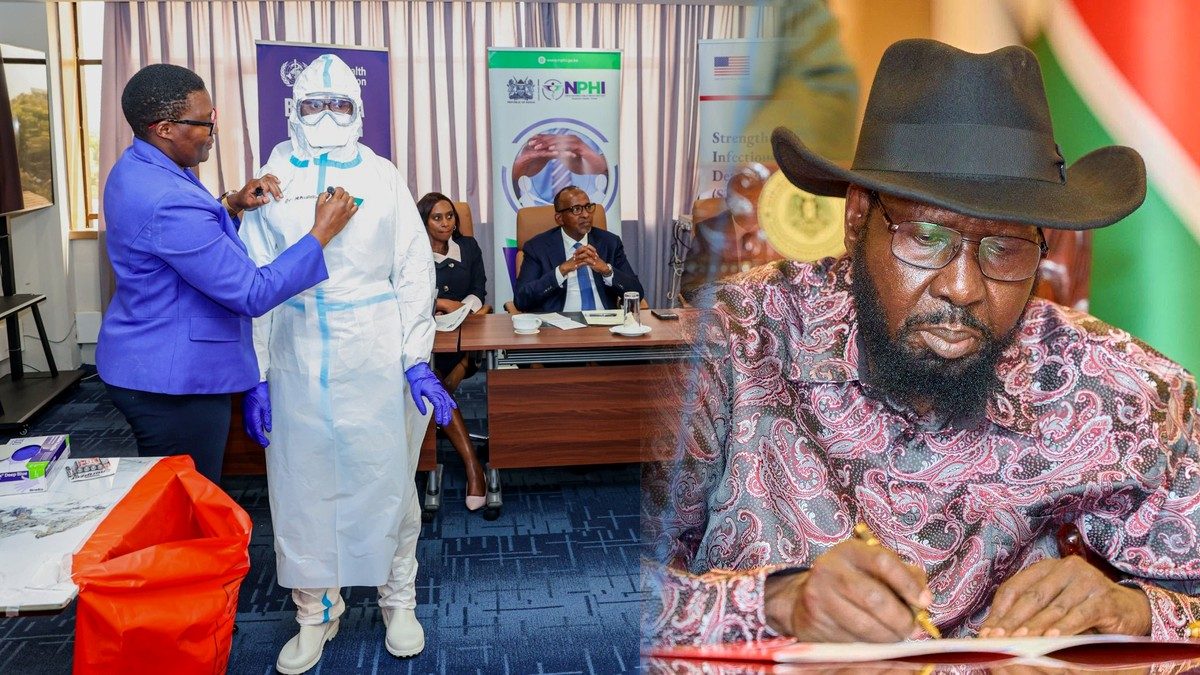
Kenya has 42 days to get through without a single new Ebola case, and the newest threat to that countdown may sit across its north-western border.
Six foreign embassies in Juba have publicly warned of a high risk of an Ebola outbreak in South Sudan, a country from which an estimated 800 to 1,500 people cross to and from Kenya every day. The World Health Organisation (WHO) now estimates the risk of the virus being imported into South Sudan at 99 per cent.
What the embassies said
In a joint statement issued on Thursday, November 12, the embassies of Germany, Japan, the Netherlands, Norway, the United Kingdom and the United States reaffirmed "their concern about the high risks of an Ebola outbreak in South Sudan".
Their message to the leadership in Juba was blunt. "These risks give even greater urgency to the need for South Sudan's leaders to start using South Sudan's public revenue to fund the health sector, including the salaries of public health workers," the statement read. The missions also called for full access across the country for organisations delivering aid.
South Sudan has not confirmed a single case of Bundibugyo virus disease, the Ebola strain driving the outbreak in the neighbouring Democratic Republic of Congo (DRC). Kenyans.co.ke reported that a fatal haemorrhagic fever case in Morobo County twice tested negative for Ebola before being confirmed as yellow fever on November 10.
Juba pushes back
The South Sudanese government rejected the tone of the warning. According to Juba-based Eye Radio, it said it appreciated its partners' support but insisted that no Ebola case had been confirmed in the country.
"Public statements on public health matters should be guided by verified information and avoid raising undue alarm or creating unnecessary fear among the public," the government said, urging the missions to use diplomatic channels.
The numbers behind the fear
A WHO update published the same day, reported by People Daily, explains the anxiety:
- The estimated risk of the virus being imported into South Sudan rose from 67 per cent in June to 99 per cent in October.
- The country's overall preparedness stood at 72.5 per cent at the end of October.
- A national simulation exercise held between October 19 and 24 showed South Sudan could detect a suspected case but was not yet able to contain one safely.
The two countries share a border of about 813 kilometres, and South Sudan's side lies next to areas of the DRC with active transmission. Confirmed cases in the DRC had passed 10,900 by November 9, Kenyans.co.ke reported.
What it means for Kenya
Kenya recorded its first imported Ebola case in October. Eight more followed and two patients died; the rest recovered and were released, and the country has now begun the 42-day monitoring period.
"Forty-two days is twice the longest incubation period of the virus. If no new case is recorded in that period, Kenya will be declared free of Ebola on 23 December 2026," Health Cabinet Secretary Aden Duale said on Wednesday.
The South Sudan warning is a reminder of how fragile that timeline is, because the declaration depends on no new case being recorded before December 23. South Sudan is one of Kenya's key regional export markets, and the steady movement of people between the two countries raises the risk of the disease being imported, Kenyans.co.ke noted.
WHO has urged Kenya to "keep up disease surveillance, screen patients in health facilities and strengthen laboratory capacity and health worker preparedness".
Photos: Ministry of Health via Kenyans.co.ke (CS Aden Duale at an Ebola rapid response team training); Office of the President, South Sudan via People Daily. Thumbnail design: HAMASTA MEDIA.

Tell your story on screen.
Commercials, documentaries, interviews and social video, from script to final cut.





More in Health
See all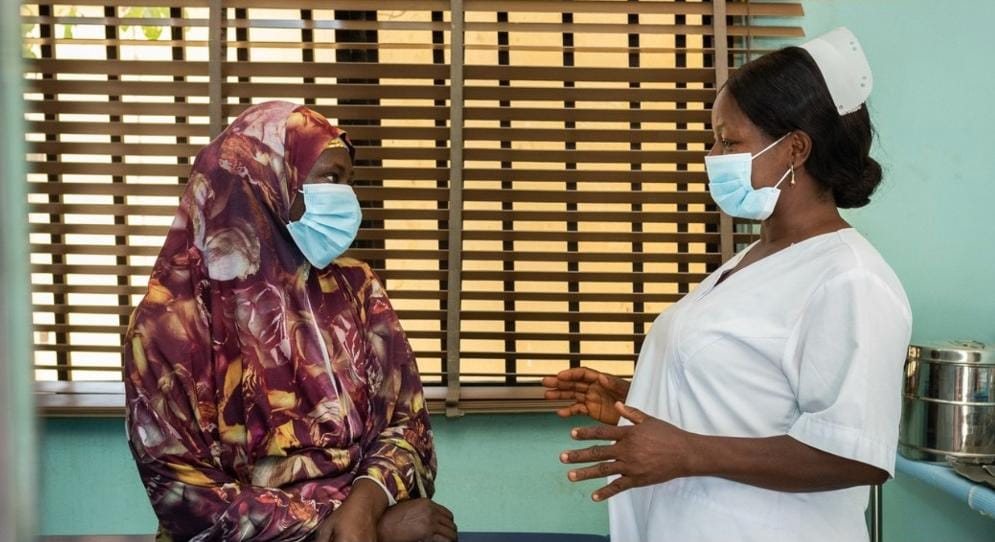
Only 19% of Kenyan women have ever been screened for cervical cancer, KNBS survey shows
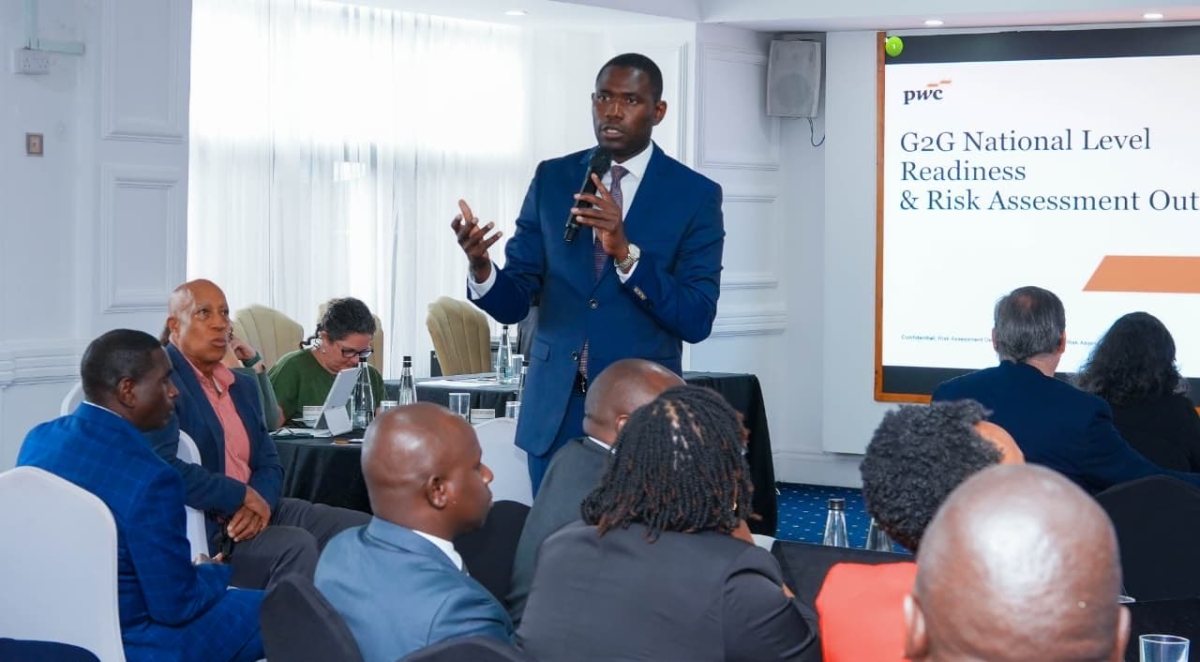
Kenya–US health deal: PS Oluga calls for shared ownership as framework is finalised
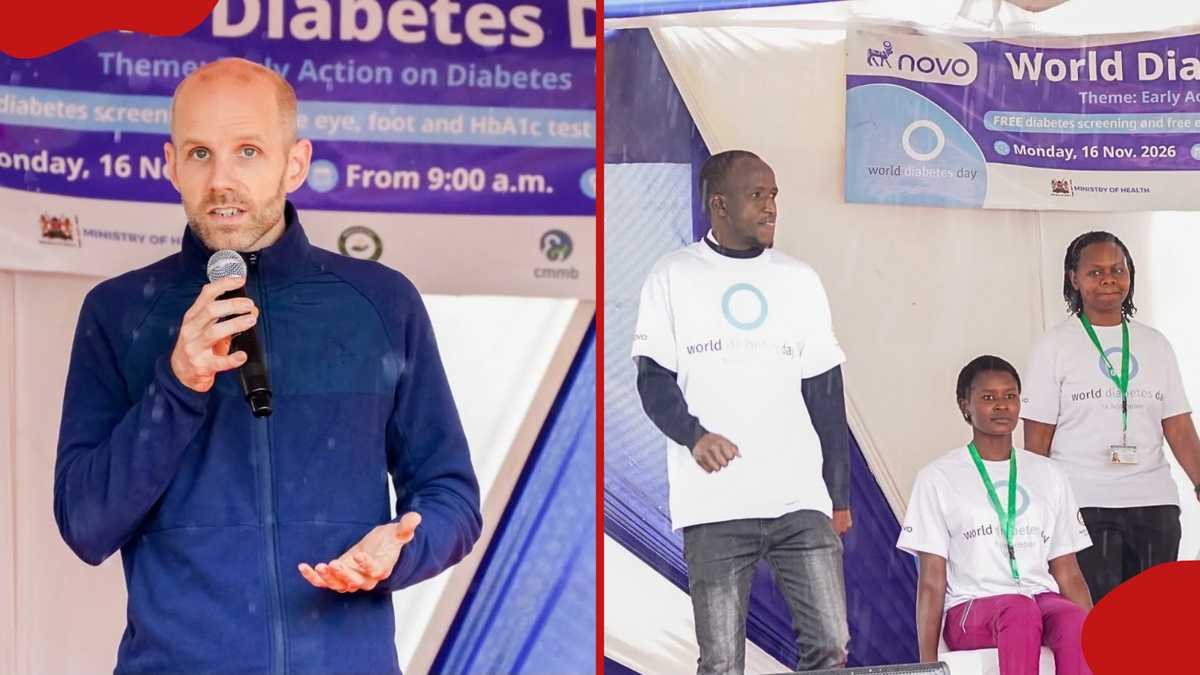
Mbagathi Hospital expands diabetes clinic to five days a week
Congo's Ebola outbreak still out of control six months on, with over 11,000 cases
435,700 Kenyans have diabetes and don't know it: Doctors push free screening as survey finds only 7 in 100 at-risk adults think it could happen to them
Eight infected in Kenya, none in Nigeria: Pathologist Ahmed Kalebi wants answers on why Ebola spread from one patient here, including to four health workers
Global Community Remarks
0