
Congo's Ebola outbreak still out of control six months on, with over 11,000 cases
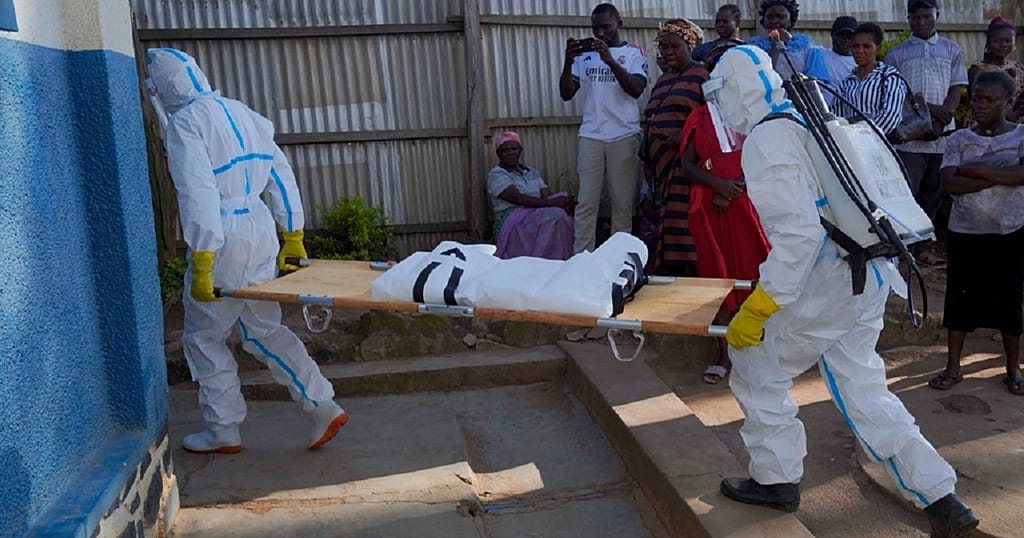
The Ebola outbreak in the Democratic Republic of Congo remains out of control six months after it was declared, with more than 11,000 cases recorded and nearly half of those infected having died, according to government data reported by Africanews.
It is the deadliest of the country's 17 Ebola outbreaks. It is on course to overtake the toll of the 2014 to 2016 West African epidemic, which killed 11,000 people.
The virus has also crossed borders. Nigeria, Kenya and Uganda have confirmed cases, making this the most geographically widespread Ebola outbreak on record.
Containment efforts faltering
Core containment measures such as contact tracing and isolation remain inadequate, according to Africanews. Experts say there is little chance of bringing the outbreak under control within the next year.
When the outbreak was announced in mid-May, 43 deaths had already been recorded, an indication that the virus had been spreading undetected for some time. It has since reached eight of Congo's 26 provinces, moving at a speed aid groups have compared to wildfire.
New hotspots keep emerging, placing further pressure on an already overstretched health system.
Community transmission remains high. The Africa Centres for Disease Control and Prevention (Africa CDC) says 80% of new cases are being detected outside health surveillance, meaning most infections have not been tracked by authorities.
A third of deaths occur at home or elsewhere in the community. In such settings, burials and other procedures often take place without specialist supervision, raising the risk of further infections.
Strikes and missing money
Health workers have repeatedly downed tools over salaries that are months in arrears. At times, the strikes have left patients with confirmed infections without treatment.
Aid organisations have also raised questions about how the response is being run. Last month, the Africa CDC flagged concerns over more than $700 million in Ebola aid that remains unaccounted for.
Doctors Without Borders, known by its French acronym MSF, described what it called "a troubling disconnect" between the resources mobilised for the response and what actually reaches patients, frontline workers and communities.
Children hit hardest
Experts say children are especially vulnerable to Ebola, particularly those with underlying conditions such as malnutrition. Most affected children have not received specialised care, which has contributed to high death rates.
According to UNICEF figures cited by Africanews, children accounted for 35% of deaths recorded up to 4 November. Children under five made up 21% of all deaths, and nearly 72% of infected children in that age group have died.
Conflict compounds the crisis
The outbreak is concentrated in eastern Congo, especially in Ituri and North Kivu provinces, where communities are contending with both the epidemic and armed conflict.
Fighting between government forces and hundreds of rebel groups, including the Rwanda-backed M23, had already produced one of the world's most severe humanitarian crises. The Allied Democratic Forces, a rebel group affiliated with the Islamic State, also carries out attacks on civilians.
Health workers have been attacked since the outbreak began, some fatally, and health facilities have also been targeted. Prevention and containment measures have at times clashed with local social and cultural practices, adding to the difficulties faced by responders.
The rapid spread of the virus has heightened fears of wider transmission across the continent.
This story was prepared by the Hamasta Newsdesk with AI assistance, based on reporting by Africanews. Read the original report. Photo: Africanews.


Grow an audience that listens.
Social media management, digital campaigns and online storytelling that converts.



More in Health
See all
Only 19% of Kenyan women have ever been screened for cervical cancer, KNBS survey shows
Kenya–US health deal: PS Oluga calls for shared ownership as framework is finalised
Mbagathi Hospital expands diabetes clinic to five days a week
435,700 Kenyans have diabetes and don't know it: Doctors push free screening as survey finds only 7 in 100 at-risk adults think it could happen to them
Eight infected in Kenya, none in Nigeria: Pathologist Ahmed Kalebi wants answers on why Ebola spread from one patient here, including to four health workers
Global Community Remarks
0