
Kenya–US health deal: PS Oluga calls for shared ownership as framework is finalised
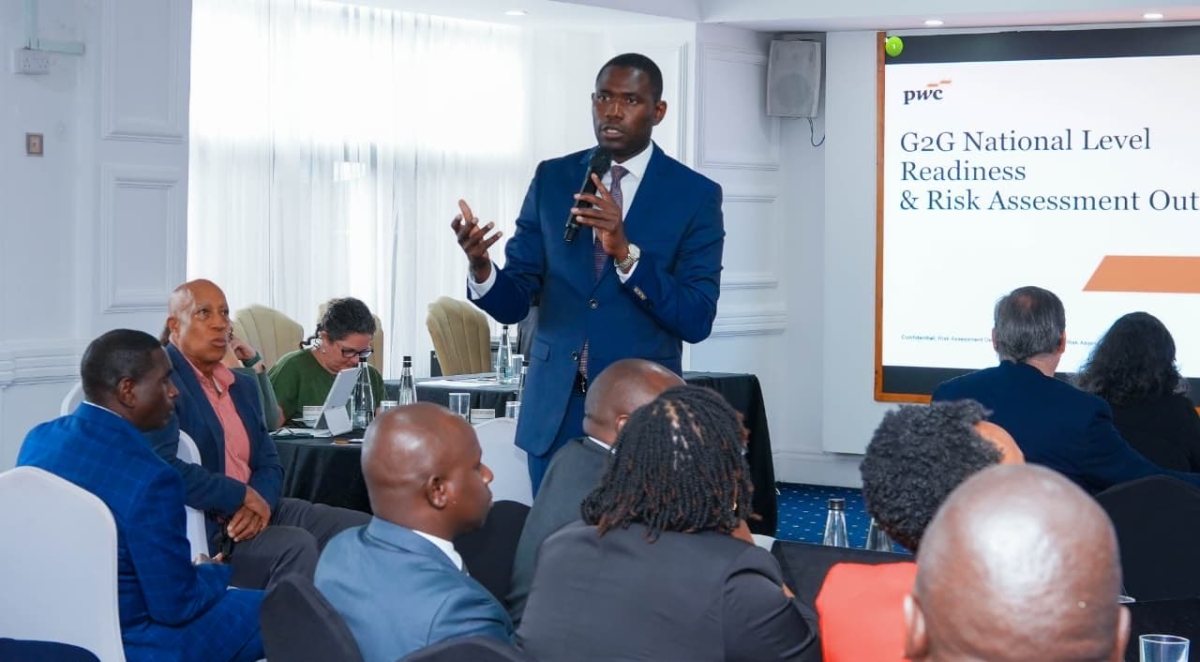
Principal Secretary for Medical Services Dr Ouma Oluga has called on health institutions to take collective ownership of the Kenya–US Health Cooperation Framework as the government moves to finalise the agreement, according to KBC.
The PS said the process requires institutional accountability and an alignment of priorities among those involved in shaping and delivering the framework.
Institutions asked to own the risk plan
Dr Oluga directed his appeal at health institutions, their chief executives and technical teams, asking them to take responsibility for the framework's risk assessment and mitigation plan.
He said the plan should reflect the realities on the ground within institutions, as well as the health reforms that are already under way in the country, KBC reported.
According to the PS, the purpose of the exercise is to identify vulnerabilities, strengthen institutional systems and deal with risks that could affect implementation.
He stressed that the process should not be treated as an audit or as an attempt to find fault with any institution. Instead, he presented it as a chance for institutions to examine their own weaknesses and address them before the framework takes effect.
Diplomacy and national interest
Beyond the technical work, Dr Oluga highlighted the need for diplomatic discipline and clear communication throughout the process.
He also emphasised the importance of safeguarding Kenya's national interests as the country concludes the cooperation arrangement with the United States.
The PS reaffirmed the government's commitment to providing quality healthcare to all Kenyans, KBC said.
An opportunity for the health system
The framework is being presented as an opportunity to build institutional capacity within the health sector.
According to KBC, it is also expected to help protect the priorities of the ongoing health reforms and support the development of a healthcare system that is resilient and sustainable.
The remarks place responsibility for the success of the agreement not only on the Ministry of Health's leadership but also on the managers and technical staff who run health institutions day to day.
By framing the risk assessment as a shared, self-improving exercise rather than an inspection, the ministry appears keen to encourage institutions to be candid about the challenges they face.
What remains unclear
The KBC report did not set out the specific contents of the Kenya–US Health Cooperation Framework, its funding arrangements or a date for its completion.
It also did not name the institutions involved or detail the particular risks identified so far.
Hamasta Media will continue to follow developments as the framework is finalised and more details are made public.
This story was prepared by the Hamasta Newsdesk with AI assistance, based on reporting by KBC. Read the original report. Photo: KBC.

Tell your story on screen.
Commercials, documentaries, interviews and social video, from script to final cut.





More in Health
See all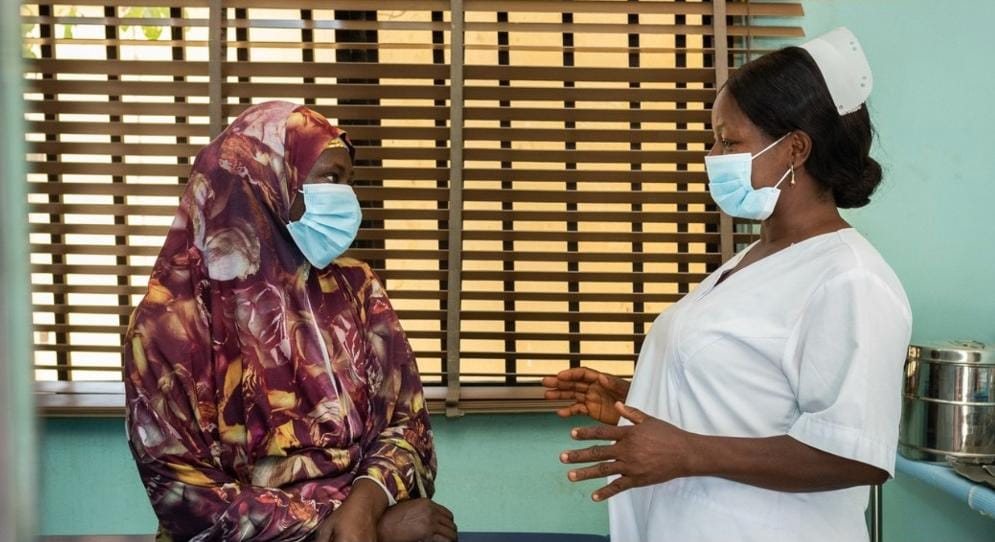
Only 19% of Kenyan women have ever been screened for cervical cancer, KNBS survey shows
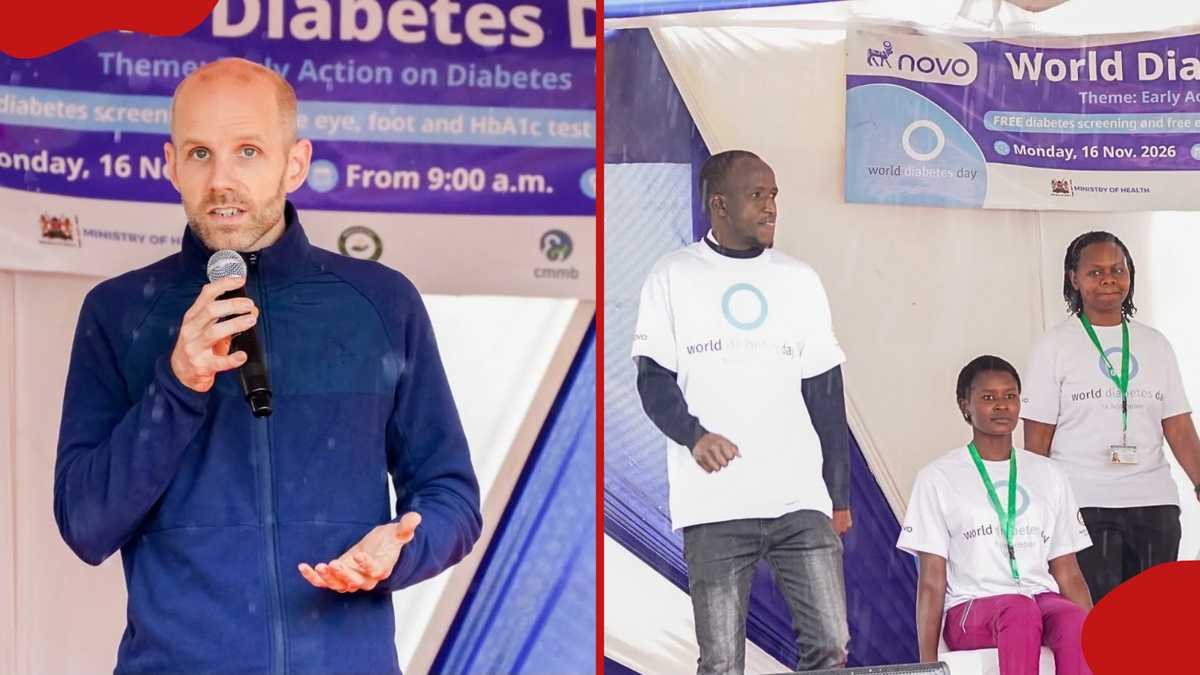
Mbagathi Hospital expands diabetes clinic to five days a week
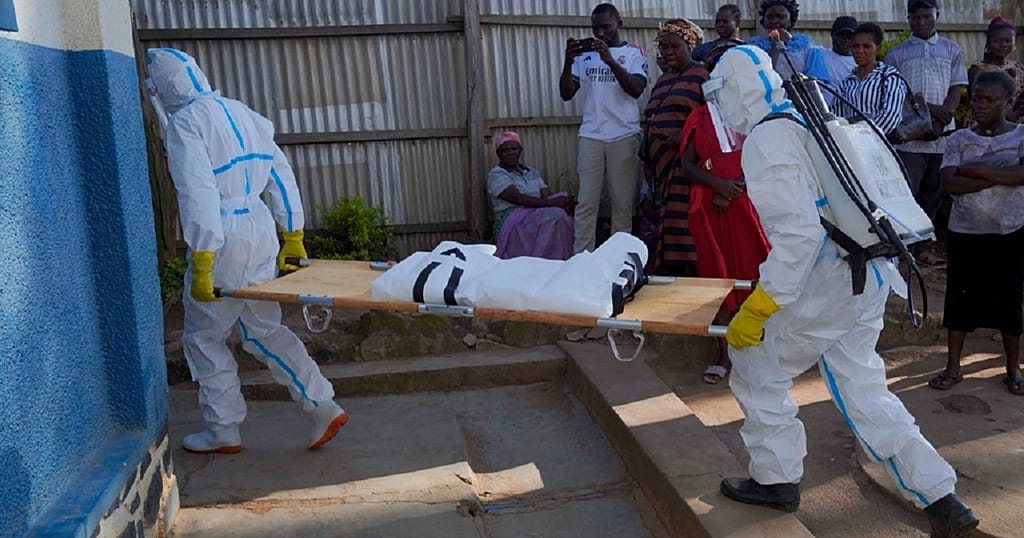
Congo's Ebola outbreak still out of control six months on, with over 11,000 cases
435,700 Kenyans have diabetes and don't know it: Doctors push free screening as survey finds only 7 in 100 at-risk adults think it could happen to them
Eight infected in Kenya, none in Nigeria: Pathologist Ahmed Kalebi wants answers on why Ebola spread from one patient here, including to four health workers
Global Community Remarks
0