
435,700 Kenyans have diabetes and don't know it: Doctors push free screening as survey finds only 7 in 100 at-risk adults think it could happen to them
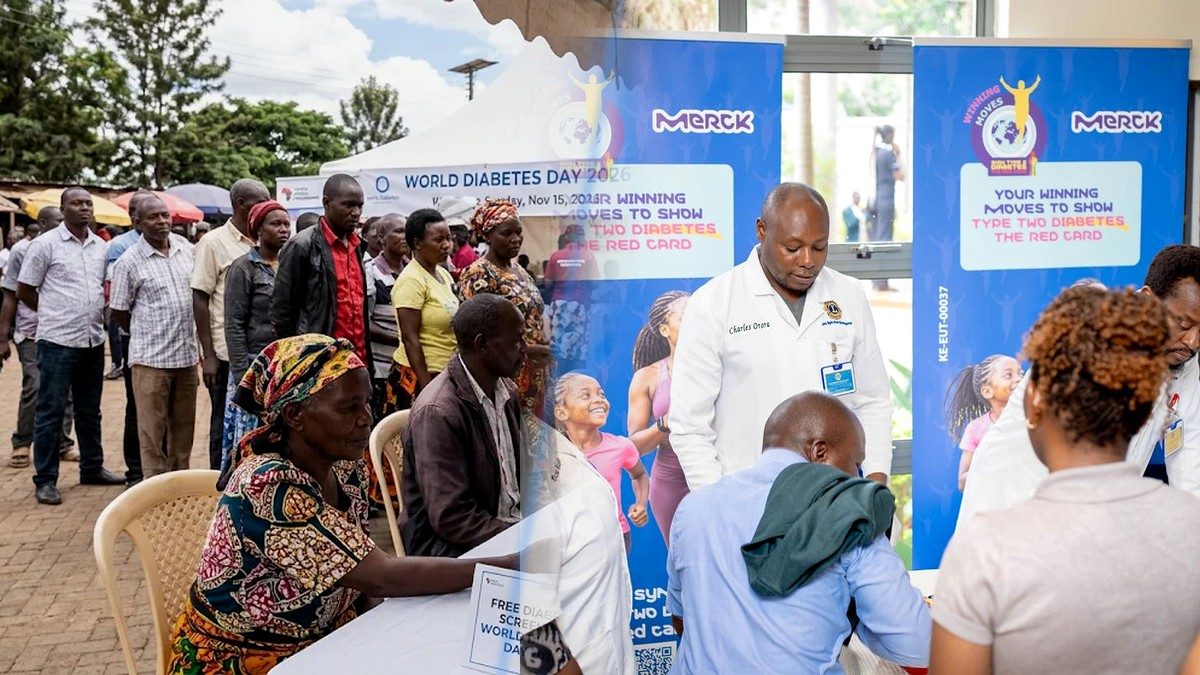
More than half of Kenyans living with diabetes do not know they have it. Doctors marking World Diabetes Day in Nairobi this weekend warned that many people only find out once complications have set in, when treatment is harder and more expensive.
The International Diabetes Federation (IDF) estimates that about 813,300 Kenyan adults aged 20 to 79 live with diabetes. Of these, 53.6 per cent, or roughly 435,700 people, have never been diagnosed.
'They remain undiagnosed for a long time'
The warning came on Sunday at the end of a three-day free screening drive at Lions SightFirst Eye Hospital in Nairobi. It was run under Merck's ThyroAfrica programme on the sidelines of the 10th Annual Lions Diabetes Symposium. People were offered HbA1c tests, which measure average blood sugar, and TSH tests for thyroid disorders.
Dr Rilwan Adan, a diabetologist who heads the Lions Diabetes Care Centre, said cases of both conditions are rising and often go undetected for years.
"The number of cases we are seeing are going up, and they remain really undiagnosed for a long time for most of the patients that we see," Dr Adan said.
Dr Adan blamed poor health-seeking habits, saying many people only see a doctor when symptoms appear. Dr Adan also urged doctors to check for both conditions together, because diabetes and thyroid disease often occur in the same patient.
Aware of the risk, but not for themselves
A 2026 IDF survey of 355 Kenyan adults with known risk factors for type 2 diabetes found:
- 97 per cent said screening is worthwhile even for people who feel healthy
- only 7 per cent believed they were personally likely to develop diabetes
- 41 per cent would not feel confident arranging a diabetes test on their own
- cost and fear of a positive result were among the main reasons people avoid testing
John Ndeti, Merck's general manager for sub-Saharan Africa, urged Kenyans to act early. "Let us be proactive and go for screening and testing instead of being reactive," he said.
The cost of finding out late
Untreated or poorly controlled diabetes can lead to kidney failure, heart disease, stroke, blindness and amputations. The IDF puts Kenya's annual diabetes-related health spending at about US$333 million (about Sh43 billion). It projects that the number of Kenyan adults with diabetes could rise to nearly 1.8 million by 2050.
Only about 46 per cent of Kenyans with diabetes have been diagnosed. The World Health Organization's 2030 target is 80 per cent.
What you can do
- Ask for a blood sugar test at your next clinic visit, even if you feel well, especially if you are overweight, inactive or have a family history of diabetes.
- Watch for warning signs such as constant thirst, frequent urination, tiredness, blurred vision and slow-healing wounds.
- If a screening result is abnormal, go back for a confirmatory test. A screening result is not a diagnosis.
World Diabetes Day is marked every year on November 14.
Photos: People Daily (World Diabetes Day 2026 screening); KBC (free screening at Lions SightFirst Eye Hospital, Nairobi). Thumbnail design: HAMASTA MEDIA.




Show the impact of your work.
Impact stories, campaign videos and community engagement for NGOs and programmes.

More in Health
See all
Only 19% of Kenyan women have ever been screened for cervical cancer, KNBS survey shows
Kenya–US health deal: PS Oluga calls for shared ownership as framework is finalised
Mbagathi Hospital expands diabetes clinic to five days a week
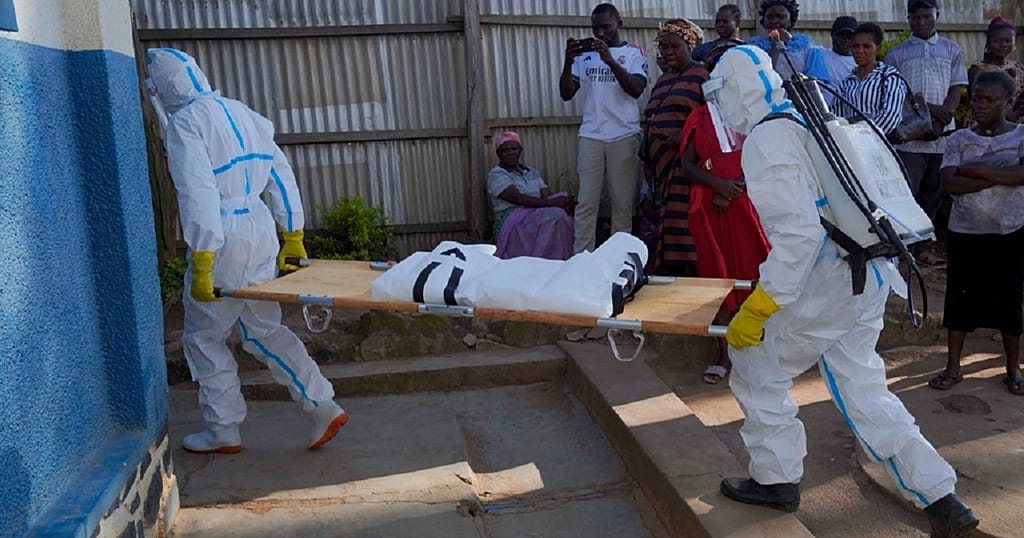
Congo's Ebola outbreak still out of control six months on, with over 11,000 cases
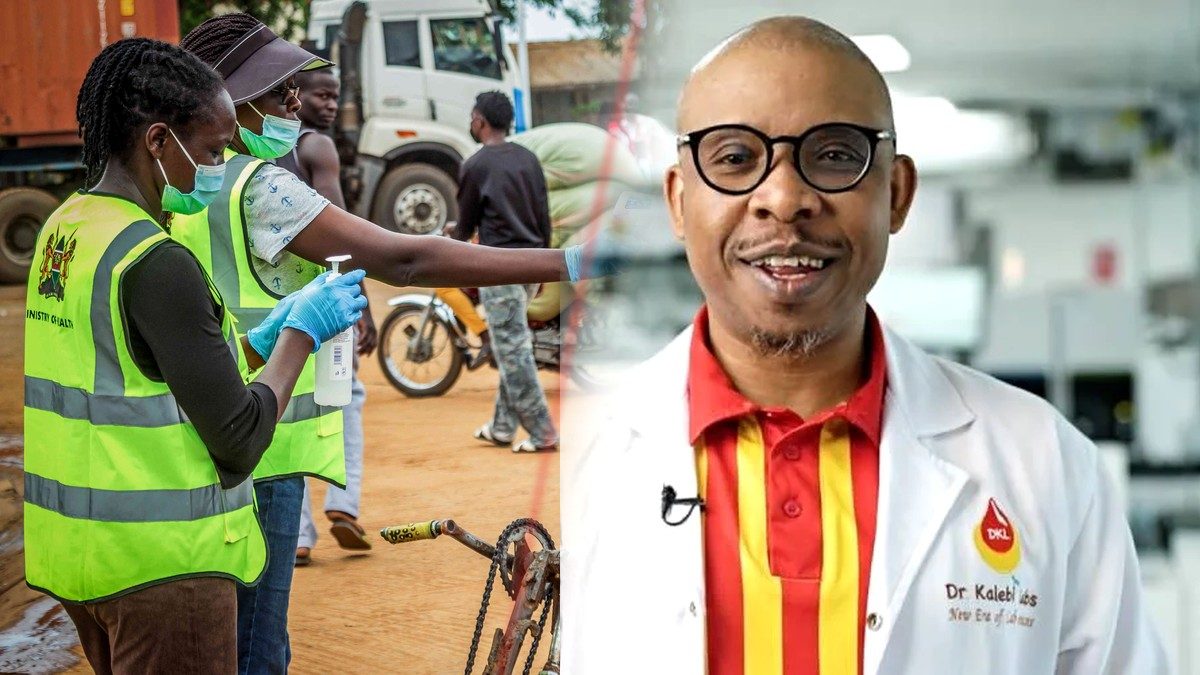
Eight infected in Kenya, none in Nigeria: Pathologist Ahmed Kalebi wants answers on why Ebola spread from one patient here, including to four health workers
Global Community Remarks
0