
Eight infected in Kenya, none in Nigeria: Pathologist Ahmed Kalebi wants answers on why Ebola spread from one patient here, including to four health workers

Each country got one imported Ebola patient. Kenya ended up with eight more infections, four of them in health workers. Nigeria had none. Consultant pathologist Dr Ahmed Kalebi now wants to know why.
In comments reported on Sunday, the founder of Dr Kalebi Labs called for a review of exposure records and infection-prevention steps in both countries. He said the findings could protect families and frontline staff the next time a patient walks in with symptoms that nobody yet suspects are Ebola.
One imported case, nine confirmed infections
Kenya recorded nine confirmed cases and two deaths after a single imported infection. According to the figures Dr Kalebi cited, the eight secondary cases were four relatives and four health workers. All eight were already in quarantine when they developed symptoms, and no further spread was recorded.
The first patient died two days after he was admitted to The Nairobi Hospital. Dr Kalebi said the four health-worker infections called for a close look at the precautions used while that patient was being treated, before Ebola had been confirmed.
He also asked whether relatives in Kenya spent more time with the patient, or gave him more hands-on care, than family members did in Nigeria.
Nigeria's 62 contacts
In Nigeria, he said, the imported patient arrived in Abuja from Uganda on October 3 and was first treated for suspected malaria. Ebola was confirmed on October 20, after she had spent about nine days in hospital. By his account, all 62 of her contacts finished 21 days of monitoring on November 13. Thirteen developed symptoms, but all tested negative, and the patient recovered after being evacuated to Switzerland.
Dr Kalebi warned against reading too much into the number of listed contacts. He pointed to older household studies that put the secondary infection rate at about 0.8 per cent for people without direct contact, compared with about 48 per cent for people who nursed a patient.
"The difference matters because 62 listed contacts may include very few people with substantial exposure," he said.
Uganda, which he said recorded 20 cases and two deaths, declared its outbreak over on August 27.
What he wants done
Dr Kalebi wants a de-identified comparison of the Kenyan and Nigerian cases, with the findings reported independently. He said the review should establish:
- who cared for each patient at home and in hospital
- when protective equipment and other precautions were introduced
- what the available viral-load data shows when set against each patient's clinical timeline
"I have yet to see a published account of who was exposed in Abuja before effective isolation," he said.
The countdown continues
Kenya began its 42-day countdown last week, after the last patient was discharged and the final contacts left quarantine. Health Cabinet Secretary Aden Duale has said the country can be declared Ebola-free on December 23 if no new case is recorded.
This is not the first time Dr Kalebi has pressed for answers. In October, soon after the first case was confirmed, he asked publicly whether the airport screening that missed the patient had been working.
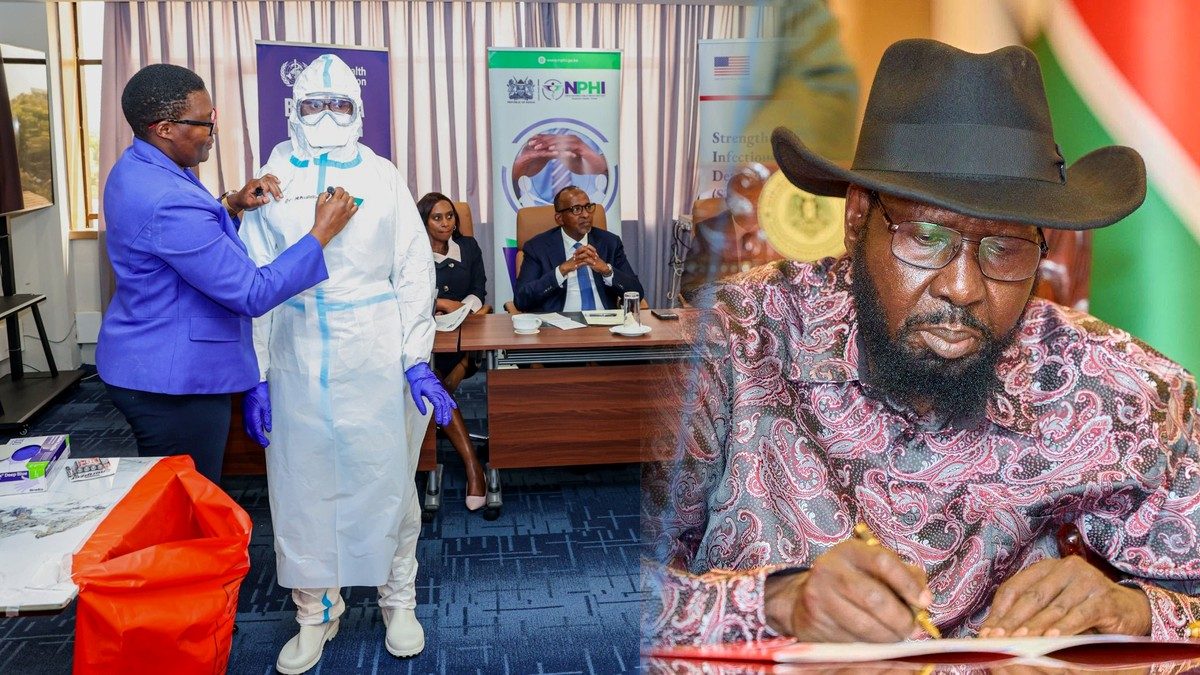
Photos: AFP via The Standard (Ebola screening at Busia border, October 2026); Eastleigh Voice/Courtesy (Dr Ahmed Kalebi). Thumbnail design: HAMASTA MEDIA.


Take your event live to thousands.
Multi-camera live streams, panel discussions and digital broadcasts with professional crews.




More in Health
See all
Only 19% of Kenyan women have ever been screened for cervical cancer, KNBS survey shows

Kenya–US health deal: PS Oluga calls for shared ownership as framework is finalised
Mbagathi Hospital expands diabetes clinic to five days a week
Congo's Ebola outbreak still out of control six months on, with over 11,000 cases
435,700 Kenyans have diabetes and don't know it: Doctors push free screening as survey finds only 7 in 100 at-risk adults think it could happen to them
Global Community Remarks
0