
US Navy nominee Hung Cao admits Iran war is straining America's fleet
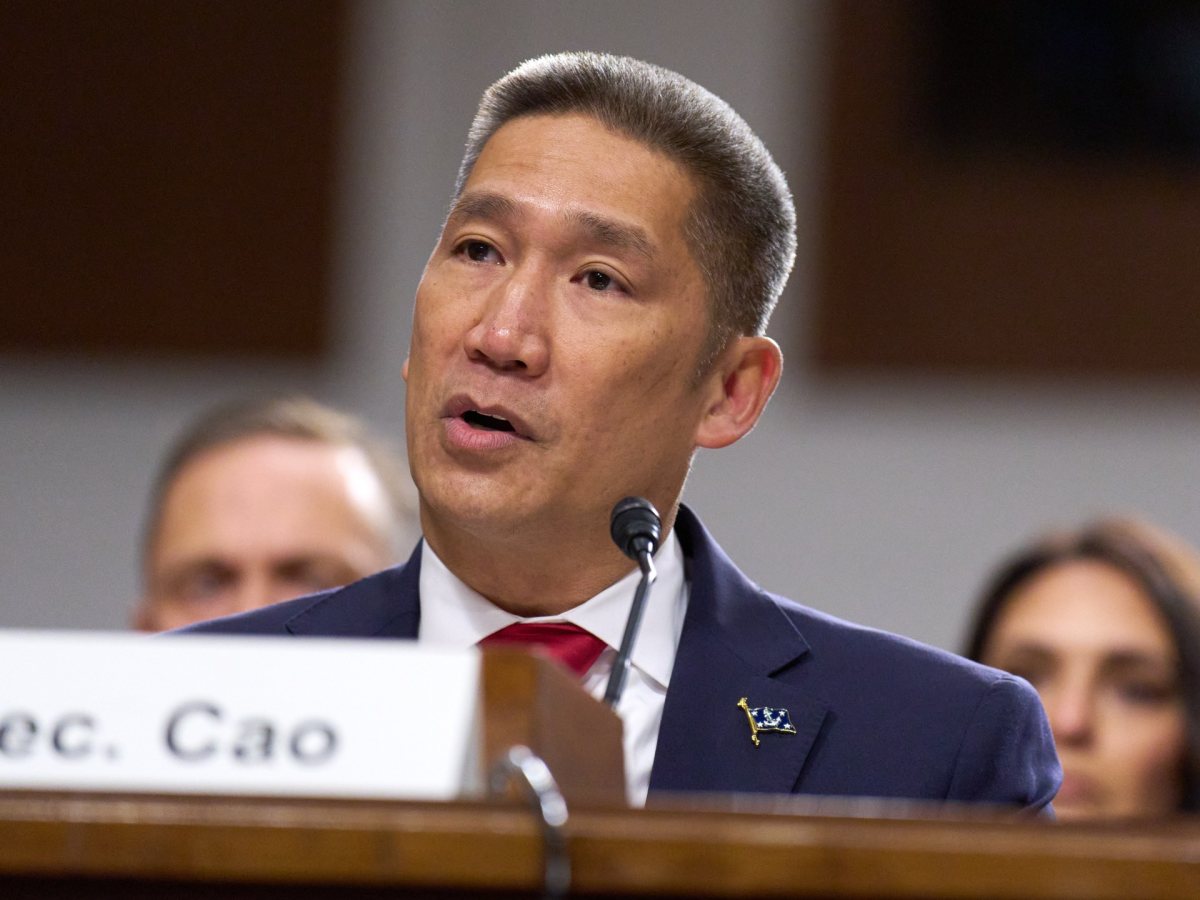
The man nominated to lead the United States Navy has conceded that the war with Iran is putting pressure on the service, as senators from both parties questioned him over lengthy ship deployments, shrinking weapons stocks and the diversion of resources away from the Asia-Pacific, according to Al Jazeera.
Acting Navy Secretary Hung Cao appeared before the Senate Armed Services Committee on Tuesday for his confirmation hearing. The session, which ran for nearly two hours, focused heavily on the human and material toll of the US-Israel war on Iran, now in its ninth month.
"This war, again, I know it's a strain on our navy," Cao told the committee, while maintaining that joint military efforts had set China back.
Who is Hung Cao?
Cao is a retired US Navy captain who previously ran as a Republican candidate for the Senate in Virginia. He has been acting navy secretary since April 2026, having earlier served as under-secretary. Backed by President Donald Trump, he is now seeking Senate approval to hold the top civilian post permanently.
The hearing takes place against growing political backlash over the conflict. Al Jazeera reports that a recent attempt in the House of Representatives to impeach Defence Secretary Pete Hegseth over his handling of the war failed. Voter anger over the war and its economic impact was seen as decisive in the November midterm elections, in which Republicans lost control of both chambers of Congress. The new Democratic-controlled Congress is due to be sworn in on January 3, 2027.
Questions over firings and transparency
Senator Jack Reed of Rhode Island, the committee's ranking Democrat, said he was troubled by Cao's record as acting secretary. He pressed the nominee on Hegseth's dismissals of numerous naval officers over the past year and asked whether Cao would protect military leaders from partisan interference in their careers.
Democrats also criticised the navy for failing to follow the usual practice of notifying Congress after it quietly removed the entire leadership team of the nuclear-powered attack submarine USS South Dakota. The commander, executive officer and command master chief were relieved after the vessel struck the seabed in October.
Cao argued against publicly announcing such removals, saying he wanted to protect the livelihoods of those affected. Reed rejected that reasoning, insisting that privacy concerns do not justify withholding information from congressional oversight.
Morale and mental health concerns
Lawmakers also raised concerns about low morale, supply shortages and mental health pressures aboard the aircraft carrier USS Abraham Lincoln, which completed a record 265-day deployment across the Pacific, South China Sea, Indian Ocean and North Arabian Sea before returning to San Diego in early October.
Senator Richard Blumenthal, a Connecticut Democrat, accused Cao of "failing these sailors and their families". When questioned about suicide attempts on board ships, Cao said that what Blumenthal described as eight suicide attempts, he saw as eight suicide mitigations.
Cao said he does not control deployment lengths, which have edged towards a full year at sea, compared with the six to eight months typical during the so-called war on terror. He told senators that sustained investment in personnel would boost readiness, retention and recruitment.
The US is currently massing three carrier strike groups in the region to reinforce a months-long naval blockade of Iran. Last week, Trump said further strikes on Iran were "quite unlikely" and described the military side of the war as effectively over, while stressing that forces remained ready if circumstances changed.
A difficult path to confirmation
Committee chair Roger Wicker, a Republican, voiced support for the nomination. However, Cao faces a significant obstacle: because he left active duty in October 2021, he falls short of the seven-year gap federal law requires to preserve civilian control of the military.
He will need a congressional waiver that must clear a 60-vote threshold, meaning he will require support from Democrats or independents as well as war-sceptical Republicans, Al Jazeera reports.
This story was prepared by the Hamasta Newsdesk with AI assistance, based on reporting by Al Jazeera. Read the original report. Photo: Al Jazeera.

Tell your story on screen.
Commercials, documentaries, interviews and social video, from script to final cut.





More in International
See all
India Plans Quarantine of Up to Six Days for Kenyans Lacking Yellow Fever Proof

Ukraine reportedly hits Krasnodar oil refineries a day after Kerch bridge strike

Family seeks embassy help as Kenyan man goes missing in freezing Belarus forest

First MINURSO contingent leaves Laayoune as UN mission begins phased withdrawal

Ghana defends $60m presidential jet as critics cite cost-of-living strain
Global Community Remarks
0